Apple Silicon emulation layer lets hacOS run on x86 PCs again
A new translation tool called Stela enables macOS to operate on standard PC hardware by simulating Apple's ARM processors, reviving a practice that became impossible after Apple's shift to custom silicon.
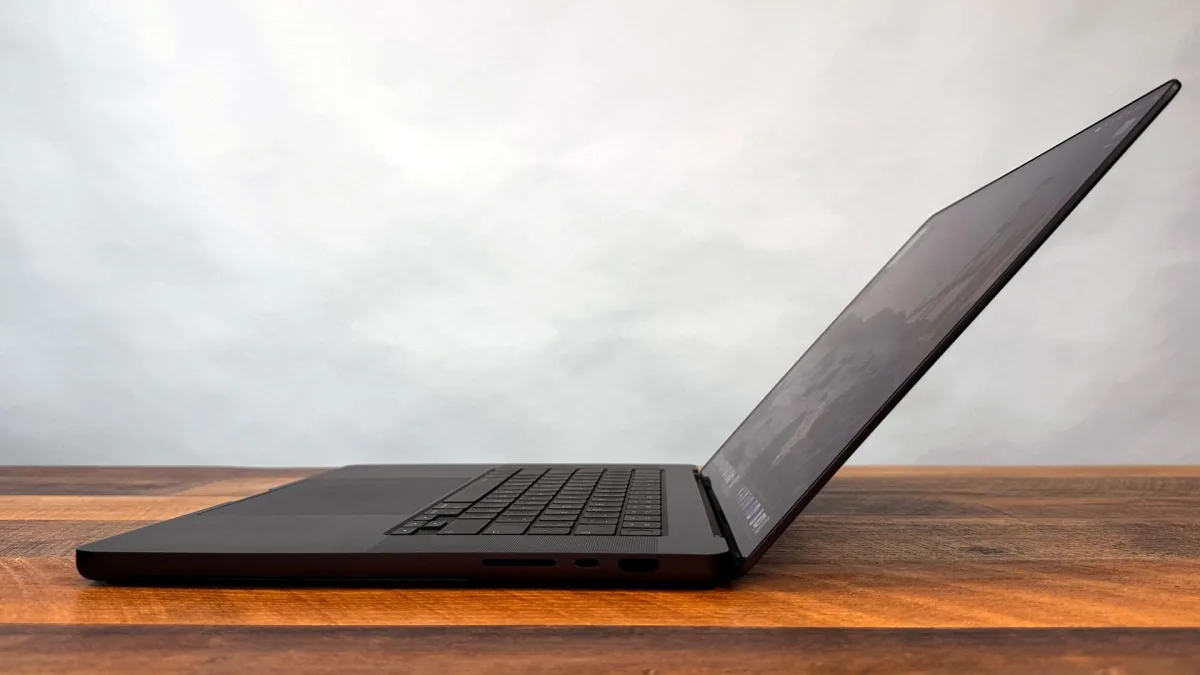
The computing industry's cyclical nature continues to turn. When Apple unveiled its proprietary ARM-based processors in 2020, observers marveled at the efficiency gains and performance density the company achieved with its custom system-on-chip designs. The trajectory of these chips improved steadily, prompting Apple to phase out Intel-powered Macintosh computers entirely. This transition cut off a community of hobbyists who had previously managed to install macOS on conventional personal computers — until now, with the arrival of Stela, an Apple Silicon translation layer.
Tyler Smith developed Stela as a fresh undertaking, and the project has already reached its third iteration since launching version 0.1 less than twelve hours after inception. The creator acknowledges that "it is slow and not very stable," yet such caveats have done little to dampen enthusiasm among early adopters eager to experiment with emerging technology. In practical terms, Stela functions as a UEFI application running on Linux that loads macOS 27 and emulates an M2 Mac Mini configuration to the operating system.