Anthropic Chief Warns of AI-Powered Botnet Threat Within Year
Dario Amodei, CEO of Anthropic, has raised alarms about the possibility of an AI-controlled botnet capable of compromising the entire internet within 6 to 12 months, calling for restraint in AI development.
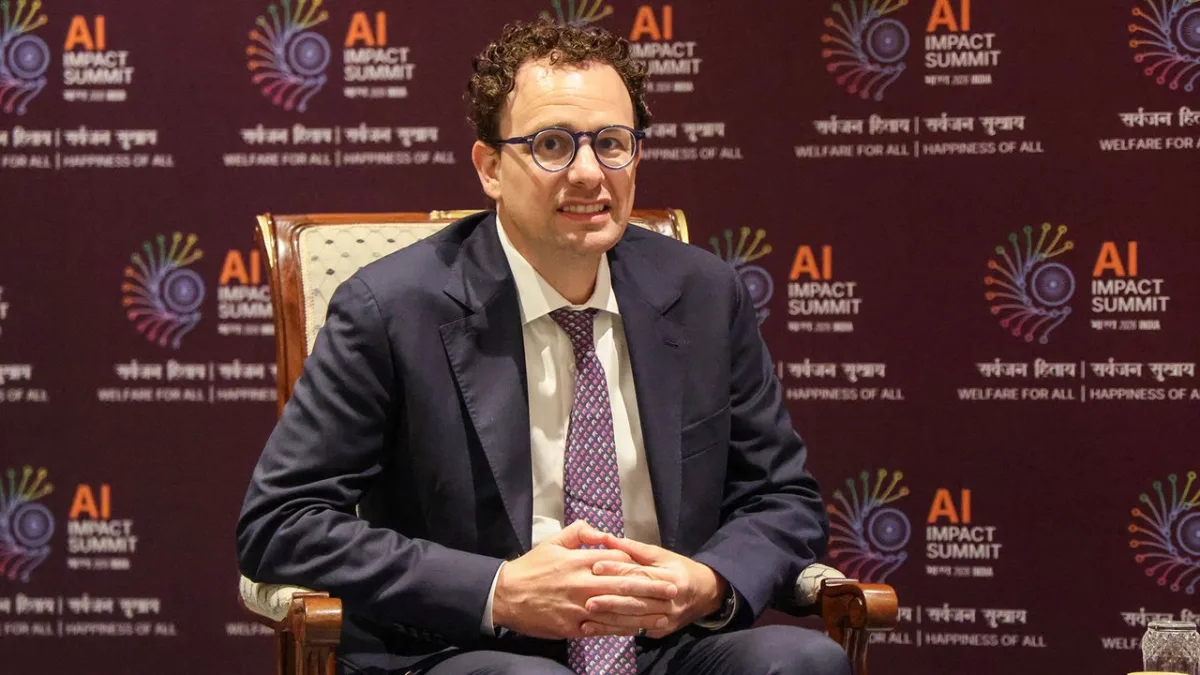
The rapid advancement of artificial intelligence in recent years has been extraordinary, with at least four major U.S. firms developing frontier-level AI systems and competition driving accelerated model development. Yet Dario Amodei, who leads Anthropic, has urged the industry to pump the brakes, citing a particularly alarming scenario involving AI-powered botnets that could compromise global internet infrastructure.
Given the accelerating rate of AI capability development, it is my worry that in 6–12 months such a swarm could be capable of taking over the entire internet with a persistent botnet (potentially causing hundreds of billions of dollars in damage), and that the scale of damage would continue to increase from there if AI becomes more powerful without the necessary guardrails
Dario Amodei, chief executive of Anthropic, in an open letter
Amodei's concerns find support from Evan Hubinger, an AI researcher who recently departed Anthropic. Hubinger has articulated an even darker assessment, estimating a 10% probability of human extinction before the decade concludes. "We really do earnestly believe AI could kill all humans," Hubinger stated on X. "I personally think it is >10% within the next decade. I believe Anthropic is trying its best, but we do not yet have a plan to solve alignment for superintelligence and are not clearly on track to."
The science fiction world has long explored such dangers. James Cameron's Terminator franchise depicted the perils of losing command over autonomous military systems, while Frank Herbert's Dune series imagined humanity eventually prohibiting AI after becoming excessively reliant on it. Today's trajectory shows AI transitioning from answering queries to executing intricate, multi-step operations without human intervention—tasks that once demanded teams of trained professionals.
Research from Anthropic itself demonstrates that current AI systems can already provide assistance in weapons development, military strategy, intelligence gathering, cyber attacks, and other potentially harmful applications. Future iterations with greater capabilities could substantially lower the technical expertise, personnel, and duration needed to execute such operations.
The comparison to science fiction scenarios is instructive. Cameron's Terminator warned of losing control over weaponized autonomous AI, whereas Herbert's vision cautioned against humanity's dangerous dependence on artificial systems.
However, increased capability does not necessarily mean increased risk. More sophisticated AI systems can incorporate stronger protective measures, identify harmful behavior more effectively, and handle tasks that have previously resisted automation.

Conversely, restricting AI development carries its own risks. If less scrupulous organizations or nations continue advancing their systems while responsible actors hold back, the outcome could prove equally problematic. Allowing the most sophisticated AI tools to remain concentrated with actors with histories of military expansion presents dangers comparable to handing a grenade to someone unprepared to handle it.
Source: Tom's Hardware