AMD's Ryzen 7 9850X3D surfaces in official listings, signaling a higher-clocked gaming processor
AMD has officially referenced an unreleased Ryzen 7 9850X3D in its support documentation, suggesting the company is preparing a faster variant of its acclaimed gaming CPU.
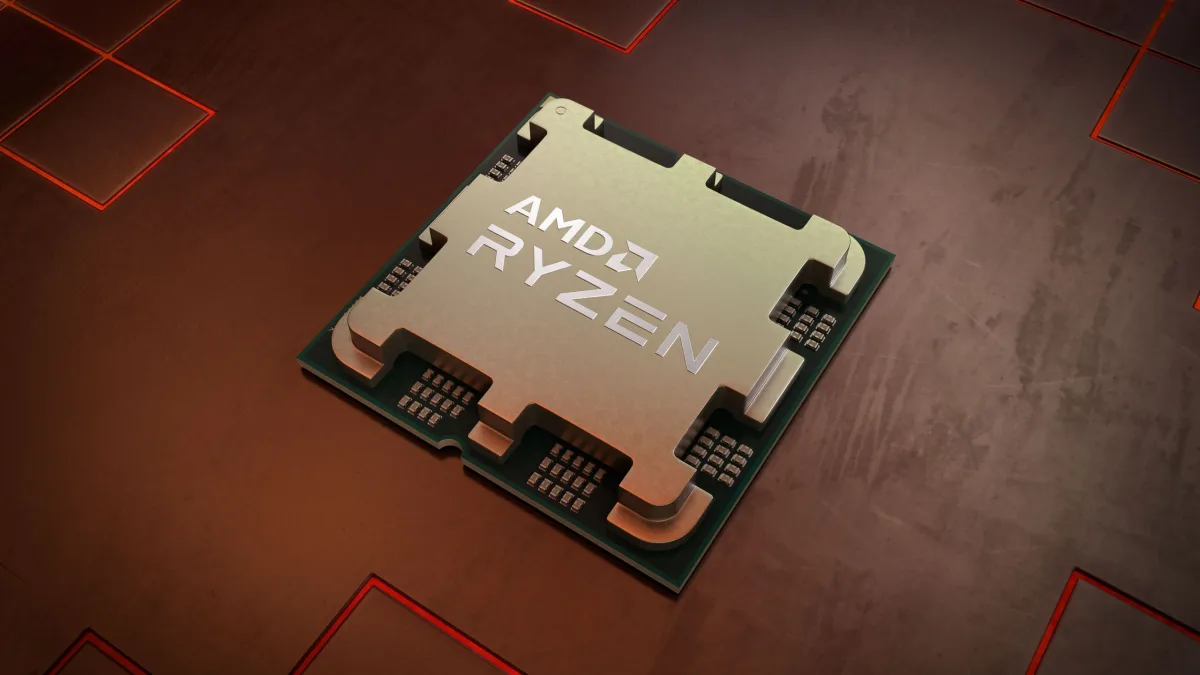
AMD's appearance of the Ryzen 7 9850X3D in its 'Drivers and Downloads' section represents a significant signal that the processor is moving toward release. The discovery, first reported by Gray, amounts to near-certain confirmation of the chip's existence. Should this CPU materialize, it stands to become the leading option for gamers seeking the fastest processor in the current generation.
The existing Ryzen 7 9800X3D already delivers exceptional gaming performance with its eight cores, 5.20 GHz peak frequency, and 96MB of last-level cache. The processor has earned recognition from Tom's Hardware's Editor-in-Chief as the finest gaming CPU available. A higher model number typically signals improved performance, barring the possibility of an OEM-exclusive variant built for specific systems.
Tom's Hardware reached out to AMD for details on the new SKU but anticipates a delayed response due to scheduling constraints.
TSMC's latest packaging methods now permit AMD to position the supplementary SRAM cache directly beneath the processing cores, effectively resolving thermal constraints and enabling higher operating frequencies. With silicon already in mass production, AMD gains access to superior chip selection and refined firmware tuning for voltage regulation and power management.
The Ryzen 7 9850X3D would likely represent a refined iteration of the current design—maintaining eight cores, 16 threads, and the substantial stacked L3 cache—but featuring improved clock acceleration and higher maximum frequencies under adequate cooling. Such improvements would translate to better single-threaded speeds and marginally faster responsiveness in scenarios demanding low latency or light parallel loads, including gaming and interface interactions.
However, elevated clock rates intensify thermal output, meaning sustained parallel processing would demand superior cooling solutions. Consequently, brief performance spikes and rapid operations would see gains, while prolonged heavy workloads would likely deliver comparable results to the current generation.

The upgrade path appears designed to enhance perceived speed and practical responsiveness rather than maximize parallel computing throughput. Moving to a 12-core Ryzen 9 configuration would introduce different competitive dynamics and distinct consumer expectations around performance positioning.
Source: Tom's Hardware