AMD's ROCm Support Lag Continues With RDNA 4 Launch Delay
AMD's forthcoming RDNA 4 consumer graphics cards will ship without official ROCm backing, marking another chapter in the software platform's struggle to keep pace with hardware releases.
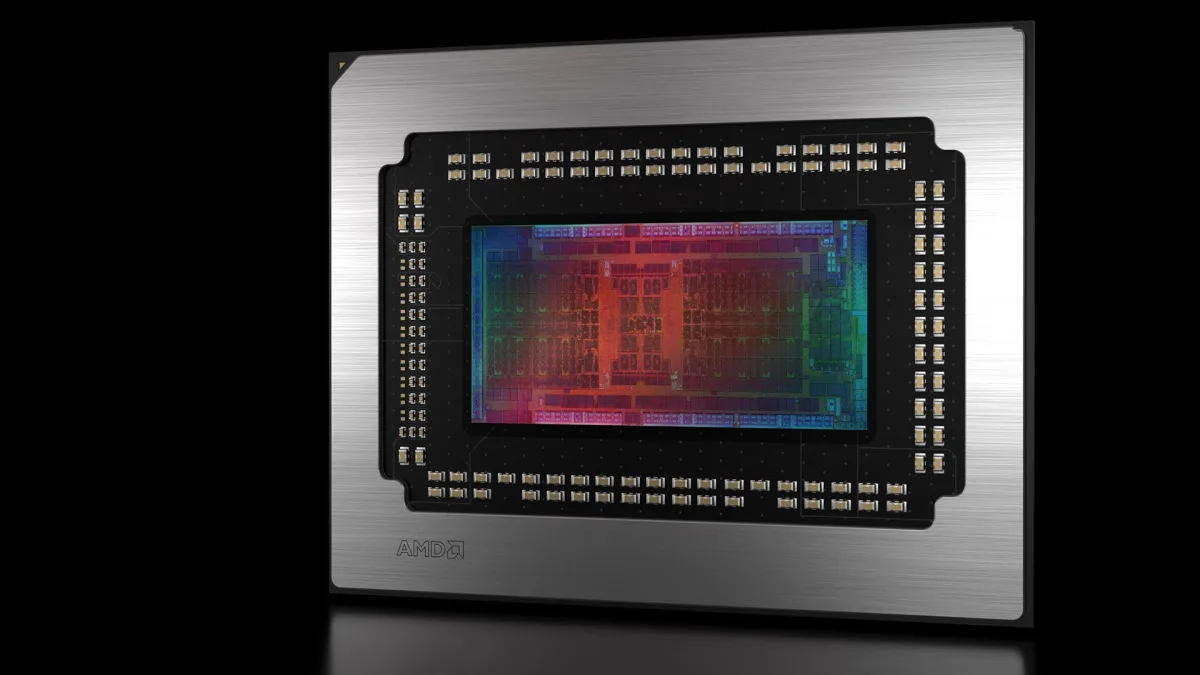
AMD's persistent ROCm timing challenge
The company confirmed during a press briefing that its next-generation RDNA 4 consumer graphics cards will arrive without day-one ROCm support, according to reporting from Phoronix. Rather than launching alongside the hardware, the software stack enablement will roll out at some unspecified point afterward. AMD has offered no public guidance on when this support window might materialize.
AMD's Radeon Open Compute Ecosystem, or ROCm, functions as the company's open-source counterpart to Nvidia's CUDA ecosystem. Designed to unlock high-performance computing and artificial intelligence capabilities on consumer and prosumer hardware, ROCm has provided official Windows support for AMD consumer products since 2022. Yet since its introduction in the professional space, ROCm has consistently trailed CUDA's track record of delivering consumer product support at hardware launch across multiple generations.
The situation carries particular irony given that AMD first revealed its Navi 48 GPU die through ROCm Validation Suite documentation in April of the previous year. Shipping consumer cards built on this die without ROCm readiness at launch represents an unusual disconnect. The RX 9070 XT and RX 9070 may eventually gain official ROCm support within days, weeks, or months of their debut, though this absence does not prevent the software from functioning on the hardware—nor does it represent an unprecedented scenario for AMD product launches.
A fragmented support history
AMD's Windows ROCm rollout has followed an uneven path since the platform's consumer expansion. The initial supported GPU roster consisted solely of the RX 6900 XT, RX 6600, and the R9 Fury from 2015, with only the R9 Fury receiving comprehensive software support while the 6000-series cards operated with partial HIP runtime functionality. Today's supported list encompasses the complete RX 7000-series lineup, most RX 6000-series variants, and the Radeon VII on Windows, though lower-tier 6000-series models lack HIP SDK support. Linux support remains confined to the RX 7900 and Radeon VII.
Measured against CUDA's established pattern of supporting Nvidia's latest consumer cards on day one and maintaining backward compatibility spanning back to 2006, ROCm faces substantial ground to cover. The company will likely announce future ROCm support timelines for the RX 9070 XT, RX 9070, and additional 9000-series variants. AMD has also acknowledged community feedback requesting expanded support for the 6000-series and Strix/Strix Halo mobile processors, suggesting that broader compatibility may arrive more gradually as the company addresses accumulated ROCm feature requests.
The absence of immediate official support does not preclude ROCm from functioning on the newest hardware, meaning users requiring ROCm capabilities will retain options when RDNA 4 becomes available in March. For additional context on the RX 9070-series, Navi 48, and RDNA 4 architecture specifics, AMD's latest GPU announcement provides comprehensive technical details.
Source: Tom's Hardware