Military laser downs CBP drone at border in latest friendly-fire mishap
A U.S. military counter-drone laser system mistakenly destroyed a Customs and Border Protection aircraft near the U.S.-Mexico border, prompting congressional criticism over inadequate coordination between defense and civilian agencies.
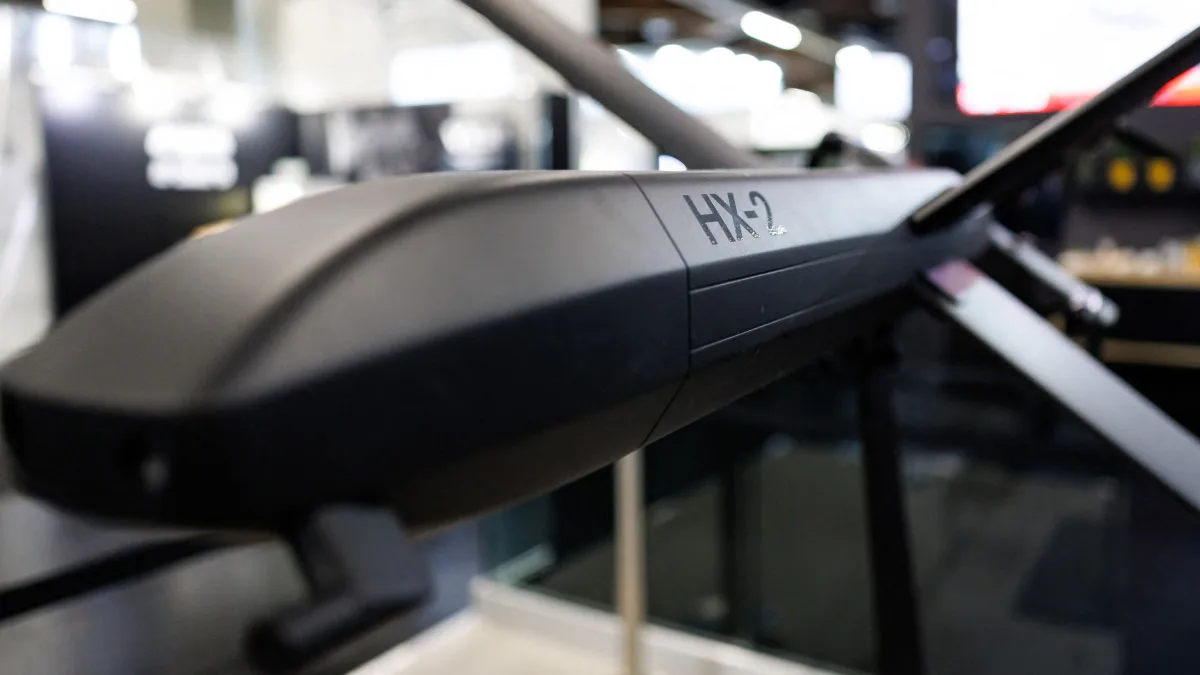
In what officials are calling a case of mistaken identity, the Department of Defense used a high-powered laser to disable a Customs and Border Protection drone operating near the U.S.-Mexico border. The incident occurred at Fort Hancock, approximately 50 miles southeast of El Paso International Airport. That same airport had been closed two weeks earlier after a separate laser weapon discharge, which also involved confusion over whether the target was a Mexican cartel aircraft.
Congressional representatives expressed alarm at the development. "Our heads are exploding over the news that DoD reportedly shot down a Customs and Border Protection drone using a high-risk counter-unmanned aircraft system," the trio said in a joint statement. "We said MONTHS ago that the White House's decision to sidestep a bipartisan tri-committee bill to appropriate train C-UAS operators and address the lack of coordination between the Pentagon, DHS, and the FAA was a short-sighted idea. Now, we're seeing the result of its incompetence."
The escalating threat posed by unmanned aircraft has driven military development of defensive systems worldwide. The 2022 Russian invasion of Ukraine demonstrated the tactical importance of drones in modern conflict. China has advanced the technology further by creating an AI-controlled drone swarm capable of being operated by a single soldier commanding 200 units. In response, nations have invested in various counter-measures, ranging from 100,000-watt laser systems to vehicle and ship-mounted platforms, high-powered microwave emitters, and AI-equipped counter-drone platforms.
Despite their effectiveness against unmanned aircraft, these weapons systems require sophisticated threat-identification protocols to prevent unintended targets. The risks extend beyond friendly fire: the systems could damage commercial airliners and other civilian aircraft in the vicinity, potentially harming crew members and passengers.
The incident underscores a persistent problem with interagency communication in U.S. airspace. A similar tragedy occurred when a U.S. Army helicopter collided with a passenger airliner on approach to Ronald Reagan Washington National Airport the previous year. The problem persists despite rigorous training standards for both military and civilian aviators. Introducing drone defense systems without establishing proper coordination protocols and operator training between the military and civilian authorities will only compound the hazards facing aircraft and the traveling public.