Microsoft Unveils AI-Focused Hardware and Windows Overhaul at First Live Event in Two Years
Microsoft announced the Surface Laptop Ultra powered by Nvidia's RTX Spark SoC, a $5,999 developer workstation, and major Windows 11 changes designed to bring local AI and autonomous agent workflows to personal computers.
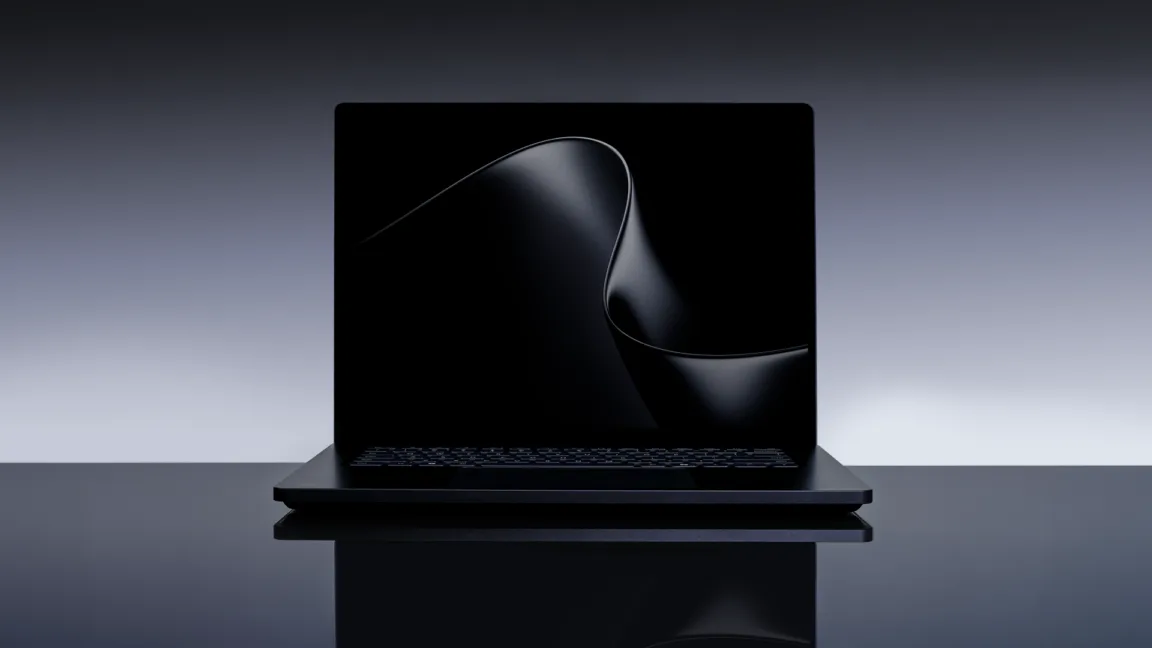
Marking its first in-person gathering in two years, Microsoft took the stage to introduce fresh hardware built around artificial intelligence capabilities and outlined sweeping modifications to Windows 11. The announcements centered on enabling developers and enthusiasts to run AI models locally and manage autonomous workflows on their machines, signaling a strategic pivot toward on-device intelligence rather than cloud-dependent solutions.
Surface Laptop Ultra
The Surface Laptop Ultra, initially revealed in May 2026, represents Microsoft's first device built around Nvidia's new RTX Spark SoC. Starting at $2,599, the machine offers configurations with either a 5120-core or 6144-core Blackwell GPU and up to 128GB of LPDDR5x unified memory. Preorders are open now, with shipments beginning October 16.
The device targets professionals working in development, with particular emphasis on its graphical prowess. Rather than relying on discrete graphics memory, the laptop leverages unified memory architecture to handle both modern gaming workloads and local AI model development. During the presentation, the new Gears of War: E-Day ran on the system, demonstrating that demanding AAA games are feasible without a dedicated gaming GPU.
RTX Spark Dev Box
Nvidia CEO Jensen Huang and Microsoft CEO Satya Nadella joined Pavan Davuluri, President of Windows and Devices, to unveil the Surface RTX Spark Dev Box. Priced at $5,999, this anodized aluminum unit comes pre-loaded with a custom Windows 11 build tailored for AI development. The box packs 128GB of unified memory and delivers one petaflop—equivalent to 1,000 teraflops—of AI compute capacity.
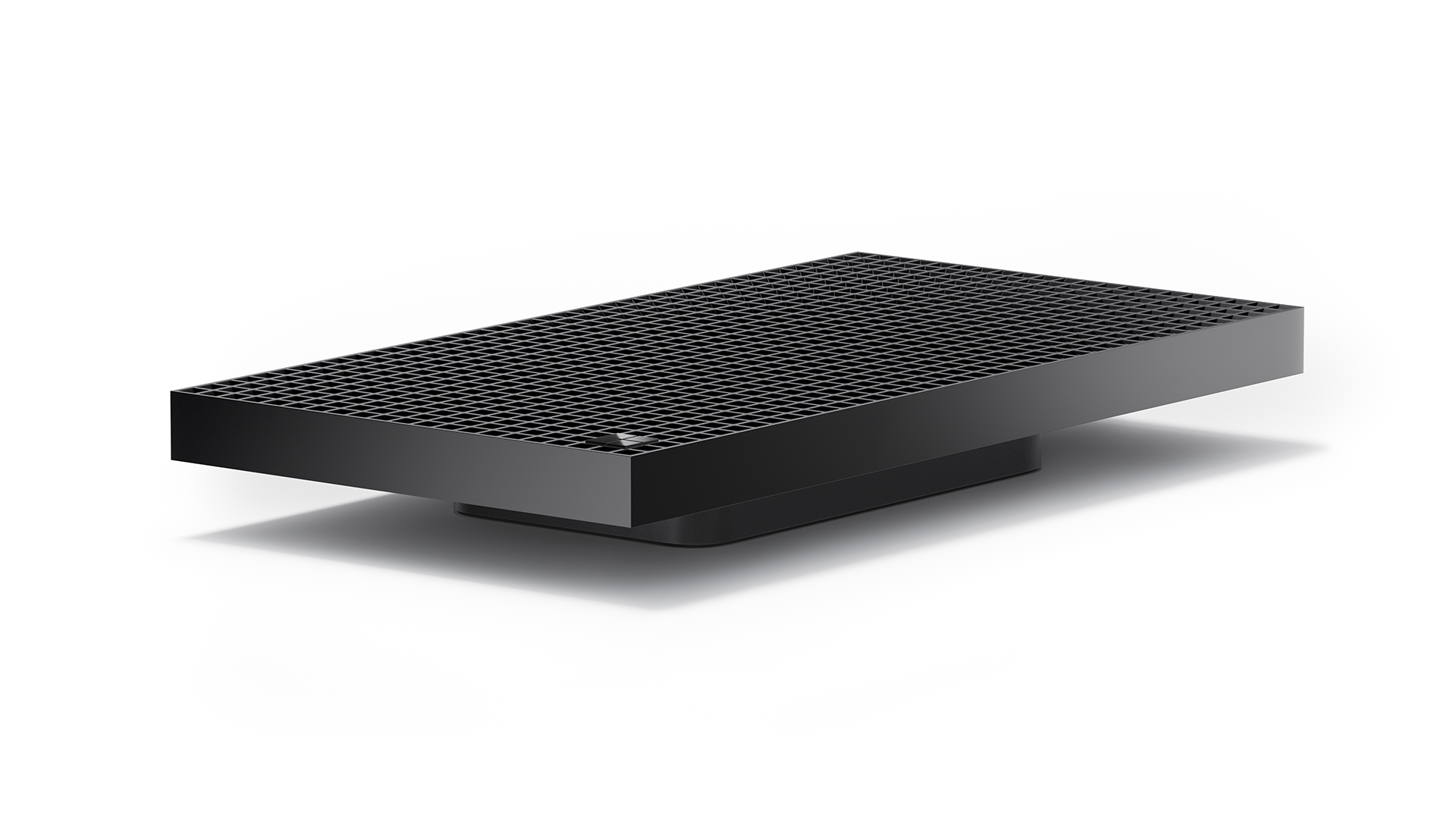
The design departs from traditional desktop form factors, resembling a media streaming device or gaming console more than a conventional tower. The chassis features 1,000 air vents on its top surface, a deliberate design choice that echoes both the aesthetic of an Xbox Series X and the device's 1,000 teraflops performance specification.
Local agentic AI is coming to Windows
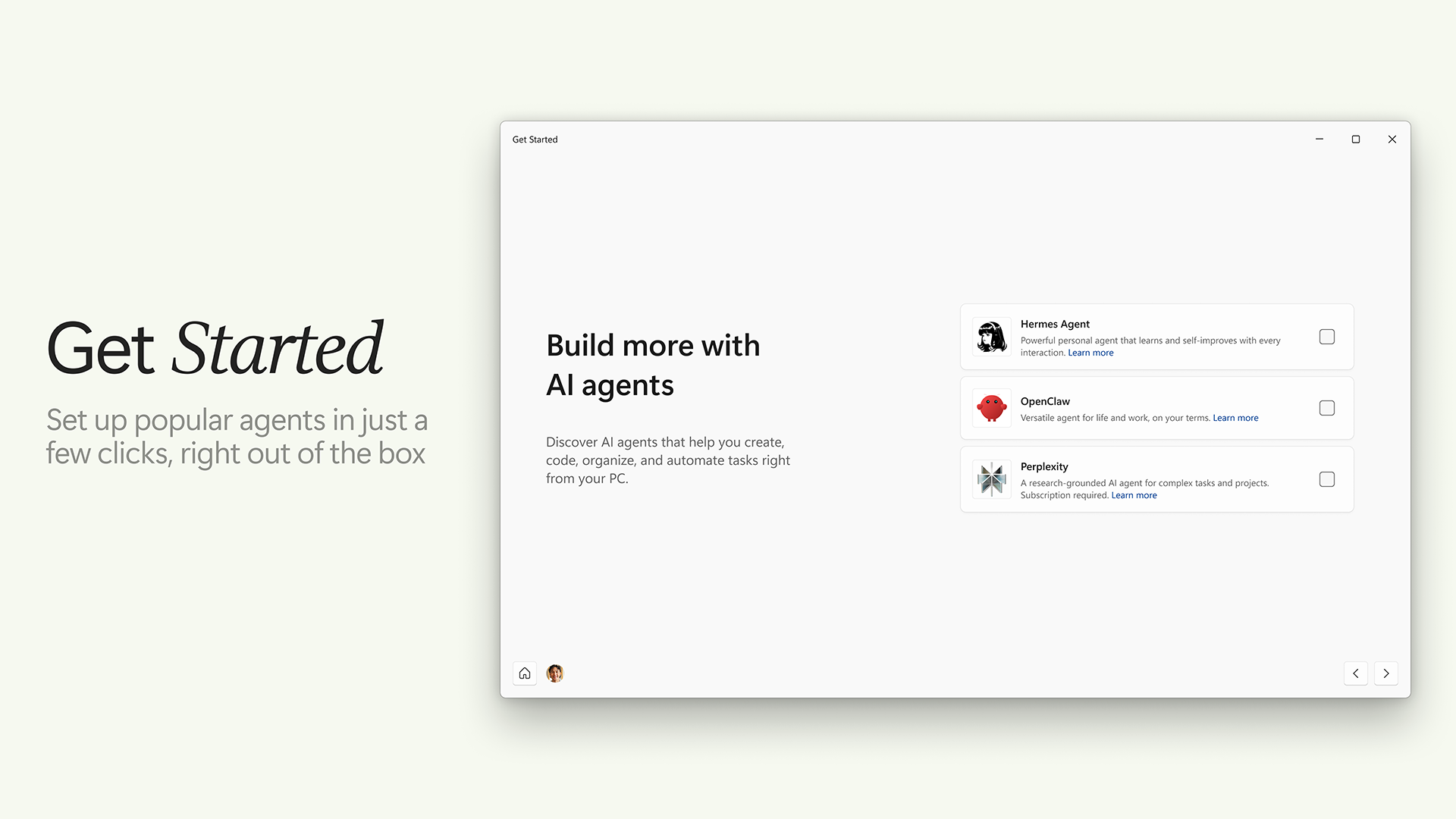
Beyond hardware, Microsoft detailed a series of Windows 11 enhancements arriving this fall. Both the Surface Ultra and Spark Box will ship with updated software designed to support local model experimentation without additional setup.
Copilot overhaul
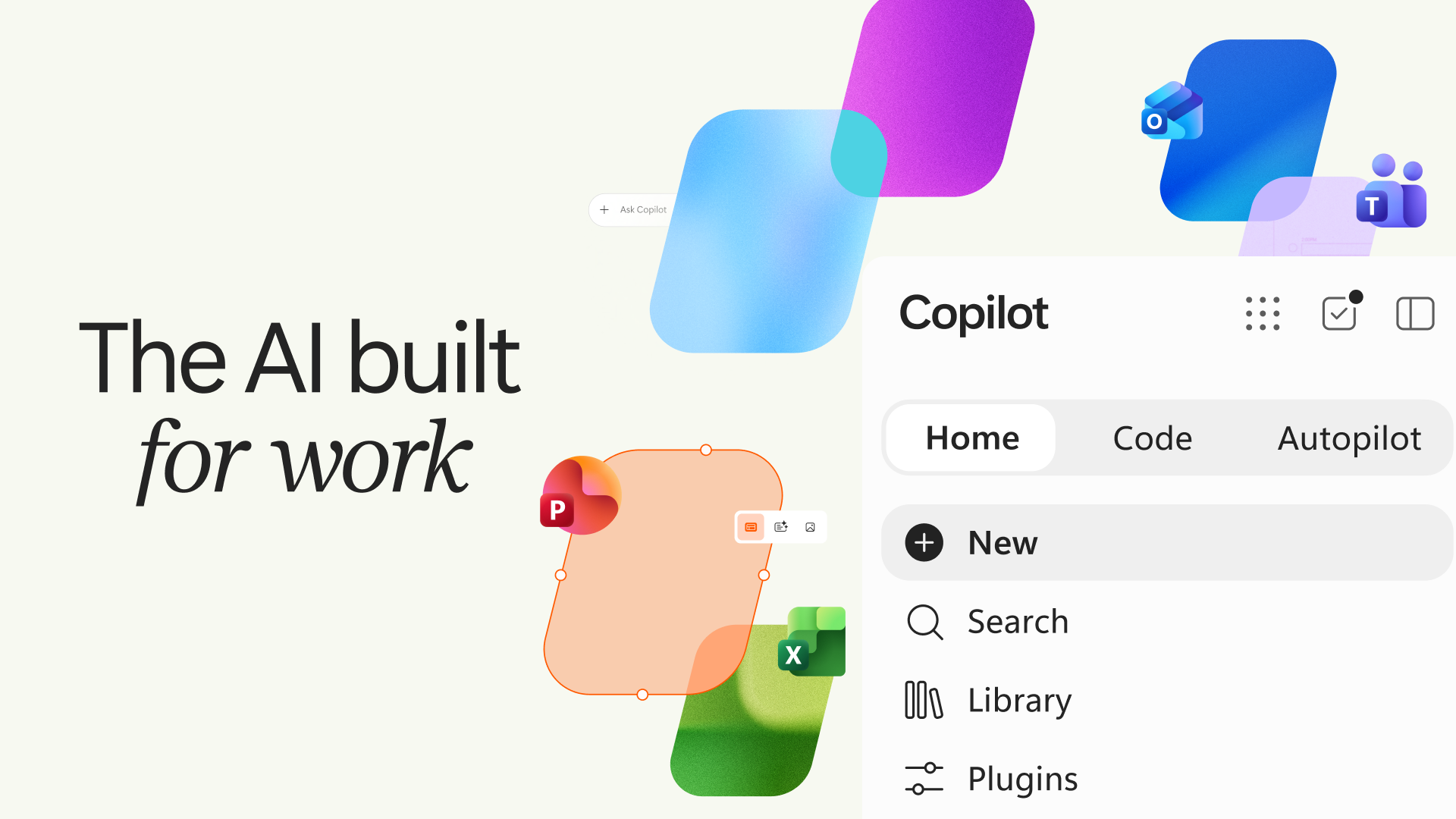
Microsoft's integrated Windows AI assistant, Copilot, is undergoing a substantial redesign. The refreshed interface organizes functionality into three distinct sections:
- Home – An entry point for interacting with language models
- Code – A space where users without programming background can generate widgets and Windows applications through natural language prompts
- Autopilot – A dedicated area for managing AI agents and overseeing their autonomous tasks
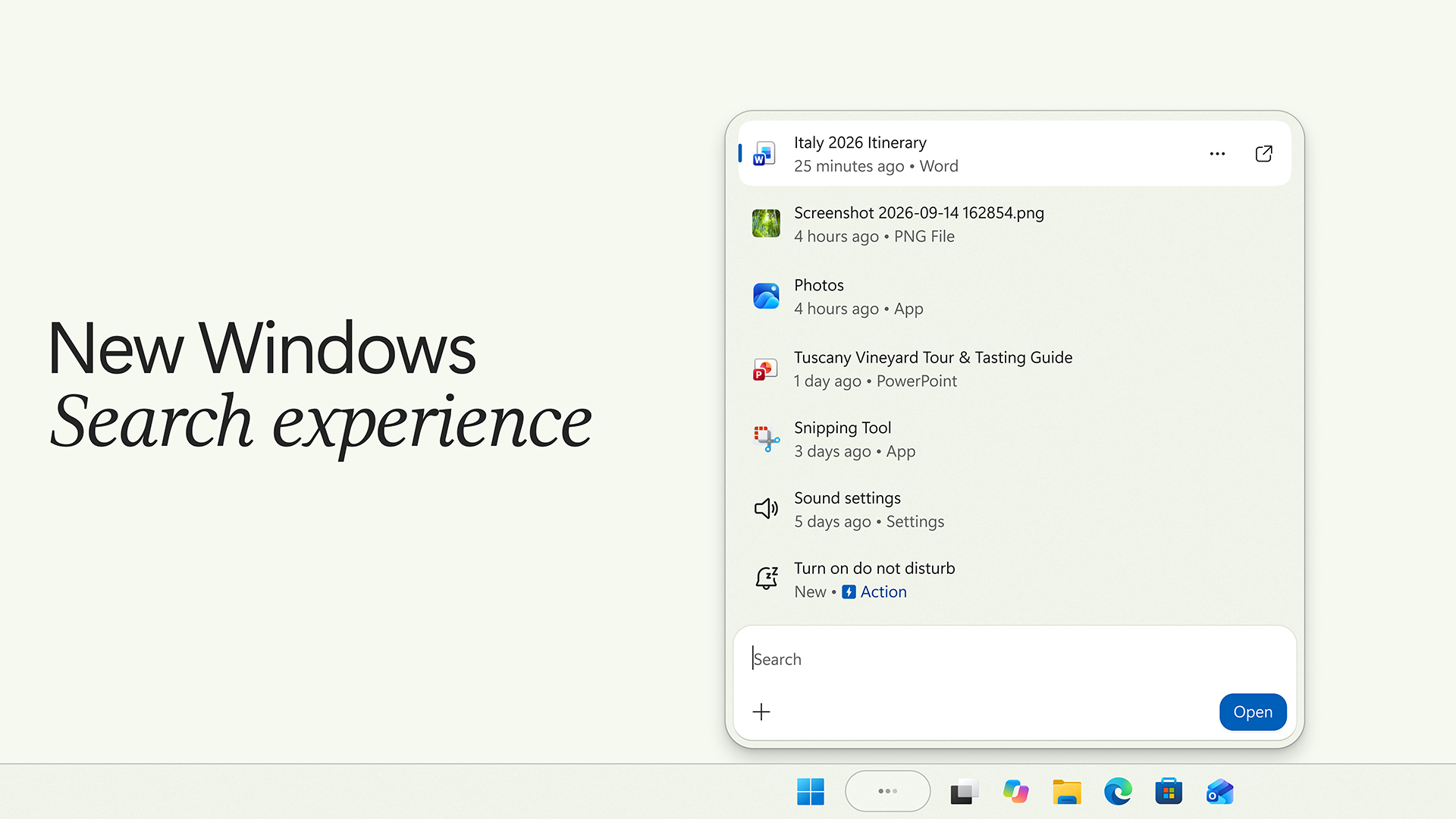
New Windows Search Experience
A revamped search interface rolling out later this year will enable users to perform system-level operations directly from the search bar. Instead of navigating through Control Panel to modify display settings, users can describe their desired action and have the system execute it immediately from the taskbar.
Microsoft Execution Containers
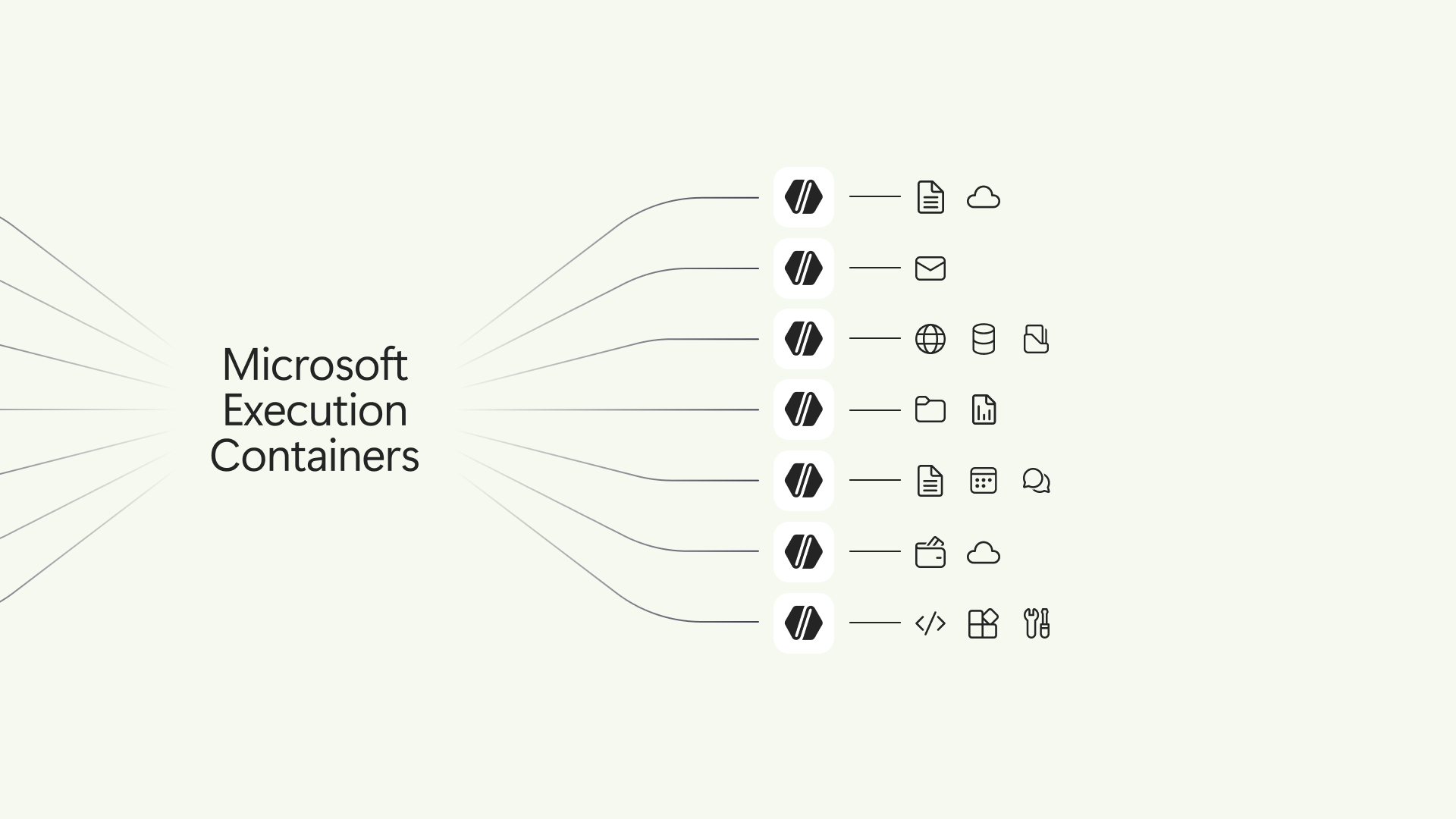
To address concerns about granting AI agents broad access to personal files and systems, Microsoft introduced Microsoft Execution Containers (MXC), a security framework that isolates agent operations in sandboxed environments. Available to developers immediately, MXC enables system administrators and organizations to monitor active agents and establish specific restrictions on what each agent can access.
The framework operates as a policy layer that routes compute operations to appropriate isolation backends. Depending on the task requirements, MXC can employ process containers, session containers, WSL containers, or an experimental hardware-isolated environment called MicroVM.
The hybrid approach
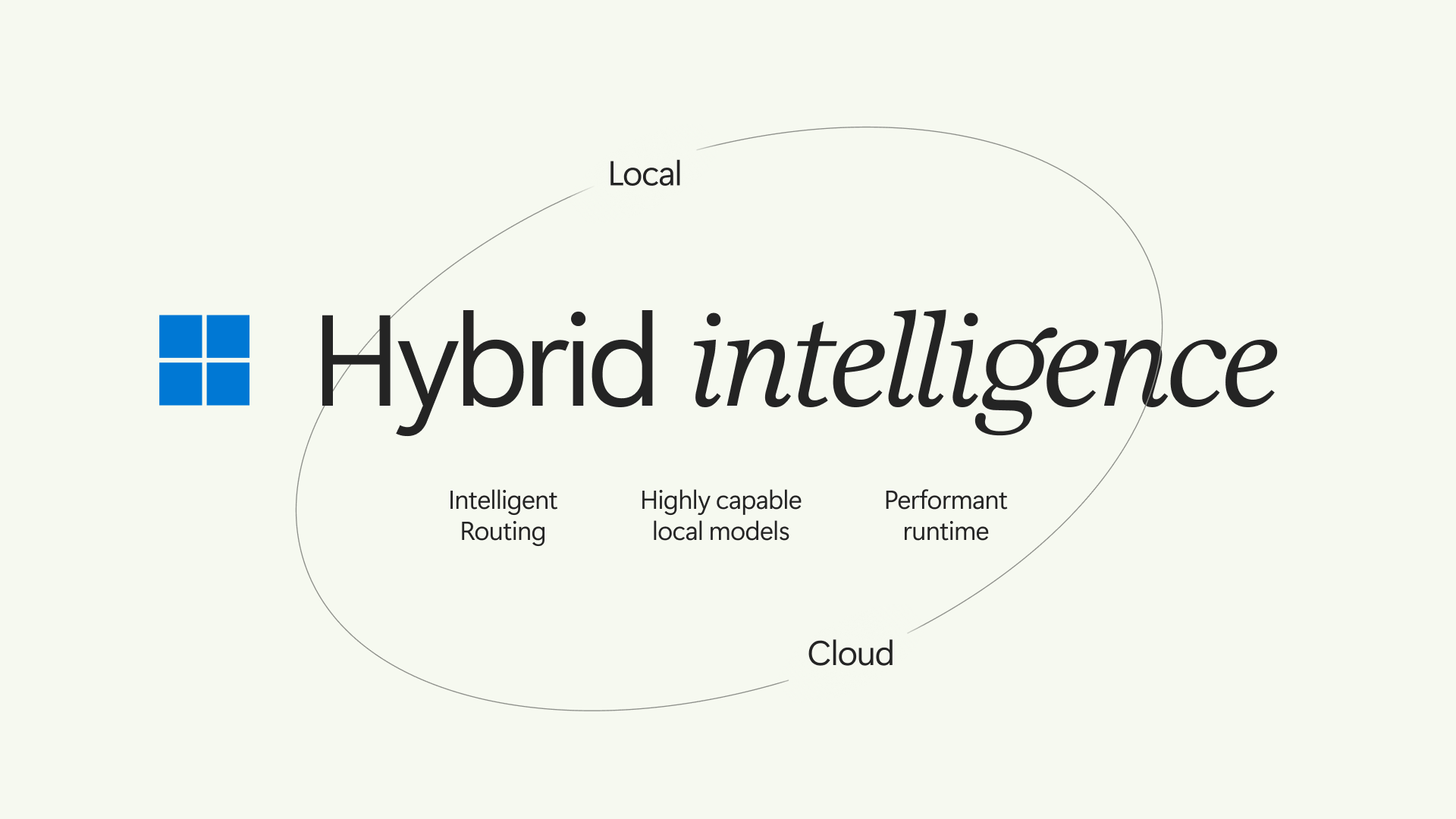
Microsoft frames its integration of autonomous workflows with traditional Windows functionality as "Hybrid Intelligence," representing a shift away from cloud-reliant AI toward processing that occurs on the user's device. This approach lets Surface Laptop Ultra and RTX Spark Dev Box owners allocate memory dynamically for specific applications while providing native compatibility with local frameworks such as llama.cpp and model families from Deepseek and Nvidia Nemotron.
We'll see if it works soon enough
Microsoft is making a substantial wager on local AI through today's announcements, though questions about security and market adoption persist, particularly given previous stumbles and recent incidents involving AI agents. The Surface Laptop Ultra arrives next week—expect a full review examining whether the $2,599 entry price justifies the investment and what practical benefits local AI capabilities deliver.