Inside Valve's Steam Frame: Engineering a $1,300 VR headset for wireless play and streaming
Valve engineers Jeff Leinbaugh and Pierre-Loup Griffais discuss the design choices, technical hurdles and market pressures behind the Steam Frame, a standalone and streaming VR device powered by Qualcomm's 8650 chip.
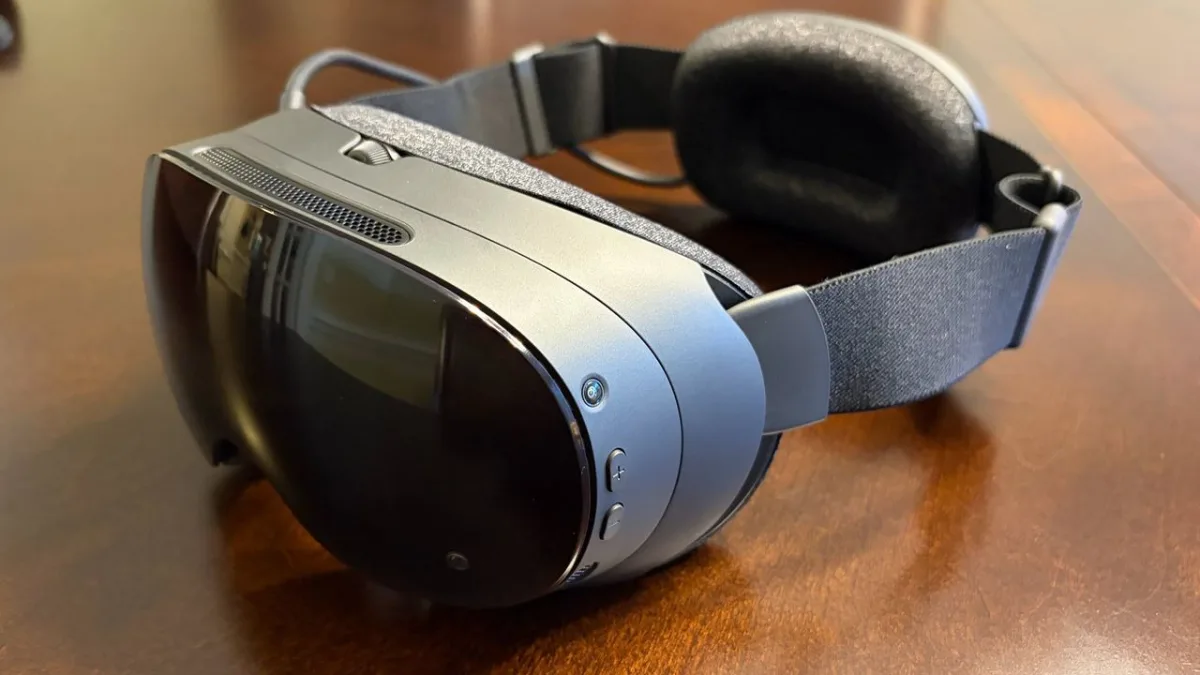
Ahead of the Steam Frame's public debut, Valve sat down with engineers Jeff Leinbaugh and Pierre-Loup Griffais to discuss the headset's development, its dual standalone and streaming capabilities, wireless networking strategy, and the pricing that reaches up to $1,300 for the top configuration. The conversation covered the technical decisions that shaped the device and the market conditions that influenced its cost.
Design philosophy and user experience
The Steam Frame project began immediately after Valve shipped the Index, with engineers exploring technologies and use cases to define the new device's direction. According to Leinbaugh, "the goals that we aligned on for what became the Steam Frame was to make [it] much easier to use, which to us meant lighter, more comfortable, easier to get into and out of VR headset." This represented a shift from the Index's approach. "Where the Index was just: we wanted to make the best possible VR headset that we could make. And that came with a lot of compromises, which were worth it because they allowed us to have this really great VR headset and see what that was capable of."
The new device prioritizes accessibility through wireless connectivity and the ability to interact with Steam's full library without requiring VR-specific games. Leinbaugh explained that streaming technology played a central role: "the headset can be wireless so that there's not a lot of complicated setup to get to the game, whether that's playing on the headset or streamed." The team also wanted users to browse their Steam library and launch non-VR titles in a virtual display, removing friction from the experience.
Engineering standalone and streaming capabilities
Building a device that functions both as a standalone system and a streaming client presented significant engineering challenges. Leinbaugh noted that "a lot of the engineering challenges were around making sure that we had the right kind of compute, and enough compute on the headset to both support a really good streaming experience, but also to be able to run games on the headset." Valve selected the Qualcomm 8650 chip, but doing so required solving thermal management and power delivery problems. "Really treating this like making a really capable PC that just happens to run this particular [...] mobile hardware was how a lot of the engineers approached that problem," Leinbaugh said.
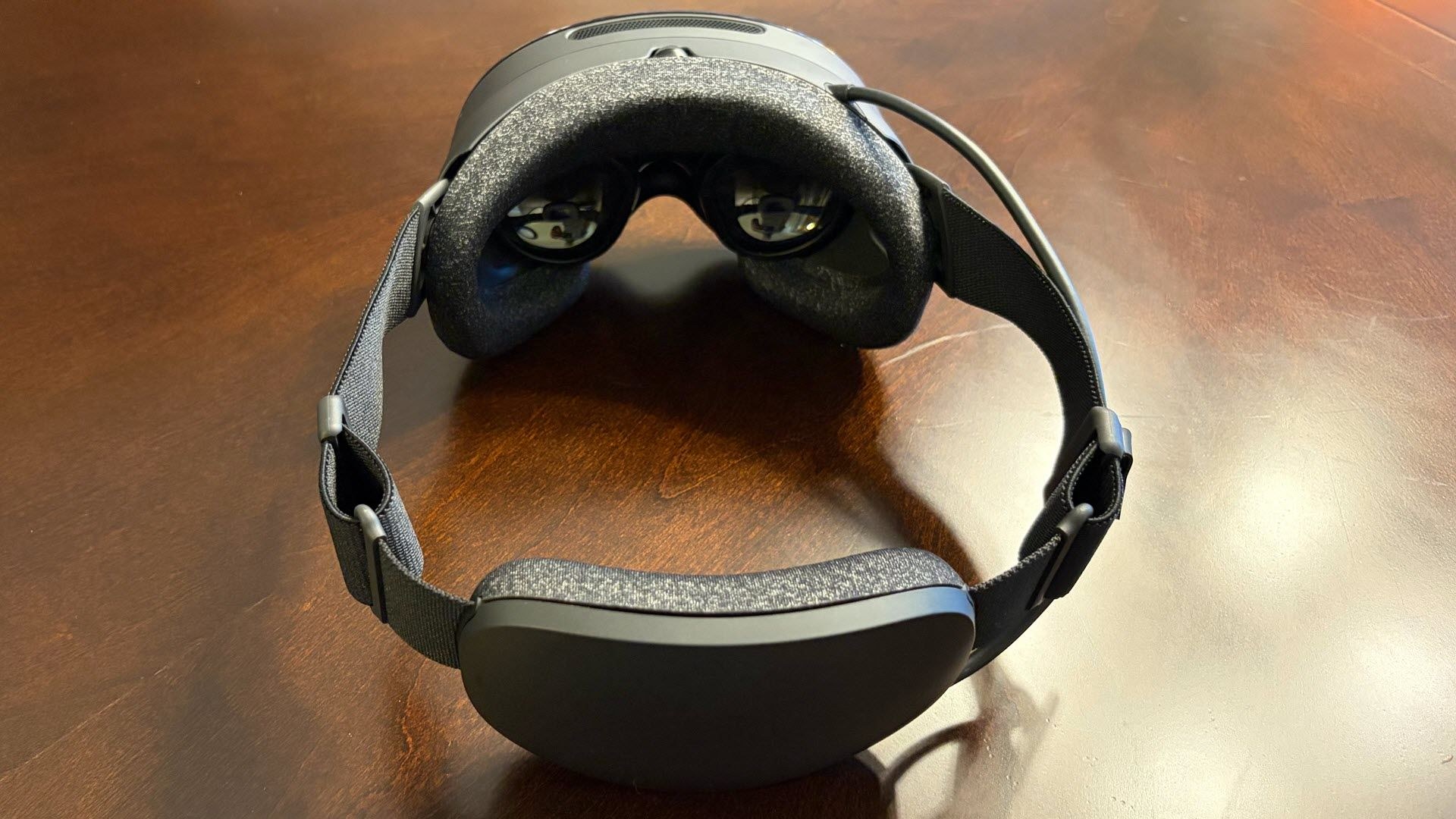
The team leveraged work from the Steam Deck and Steam Machine projects, running the same Steam OS on ARM architecture. This allowed Valve to use Proton and existing Steam OS infrastructure to get games running on the new hardware.
Standalone mode & software support
Performance targets for standalone gaming vary widely depending on the title. Pierre-Loup Griffais acknowledged that recent AAA games pushing graphical boundaries will struggle on the Frame's smaller compute envelope, but noted that many titles run well. "For example, I think last week the Metal Gear Solid Collection Part 2 released. And, you know, MGS4 is a game that I haven't played in, I don't know, 20 years at this point, but it's great from there. And even at the higher resolution, 60 FPS is locked."
Griffais emphasized that the Frame enables engagement with Steam's entire back catalog. "I think there's a ton of indie games and things that run really well too. And if you go down the back catalog, there's a ton of stuff from a little bit ago, even AAA stuff that runs great as well." Users can test games on the headset and stream underperforming titles from a PC or Steam Machine instead.
Developer interest in the Steam Frame Verify program has been strong. Griffais noted that some developers make tweaks to existing PC versions, similar to Steam Deck optimization work. Valve is also doing native work on Half-Life Alyx to remove performance barriers from translation and emulation. "And so we expect that some developers will be doing some of that work or maybe adapting some of that existing work that they've already done on an Android version of their game and then adapting that through Lepton as well," Griffais said.
Foveated streaming and technical hurdles
The Steam Frame incorporates eye-tracking cameras that enable foveated streaming, a technique that optimizes bandwidth and processing resources. Leinbaugh explained: "when you're streaming, especially VR content, there's a lot of video data that you have to send. And so you're therefore very sensitive to how much available bandwidth that you have available for not just transmitting it over a wireless link, or whatever kind of link, but also just encoding and decoding that data."
By knowing where users are looking, Valve can allocate encoding and network resources more efficiently. "Because we know, with eye-tracking cameras, what part of the image you're looking at at any time, we can refocus some of those resources to make sure that the important parts of the image are treated as first-class bits. And then the rest gets the last part of the resource pool, which is the part of the image that you can't see, and you won't notice the image degradation." Leinbaugh offered an analogy: "it's almost as if the part that you're looking at is using about 10 times as much bandwidth and encoding bit rate as it actually is for the entire image, because we just squished it all into that part that follows where you're looking."
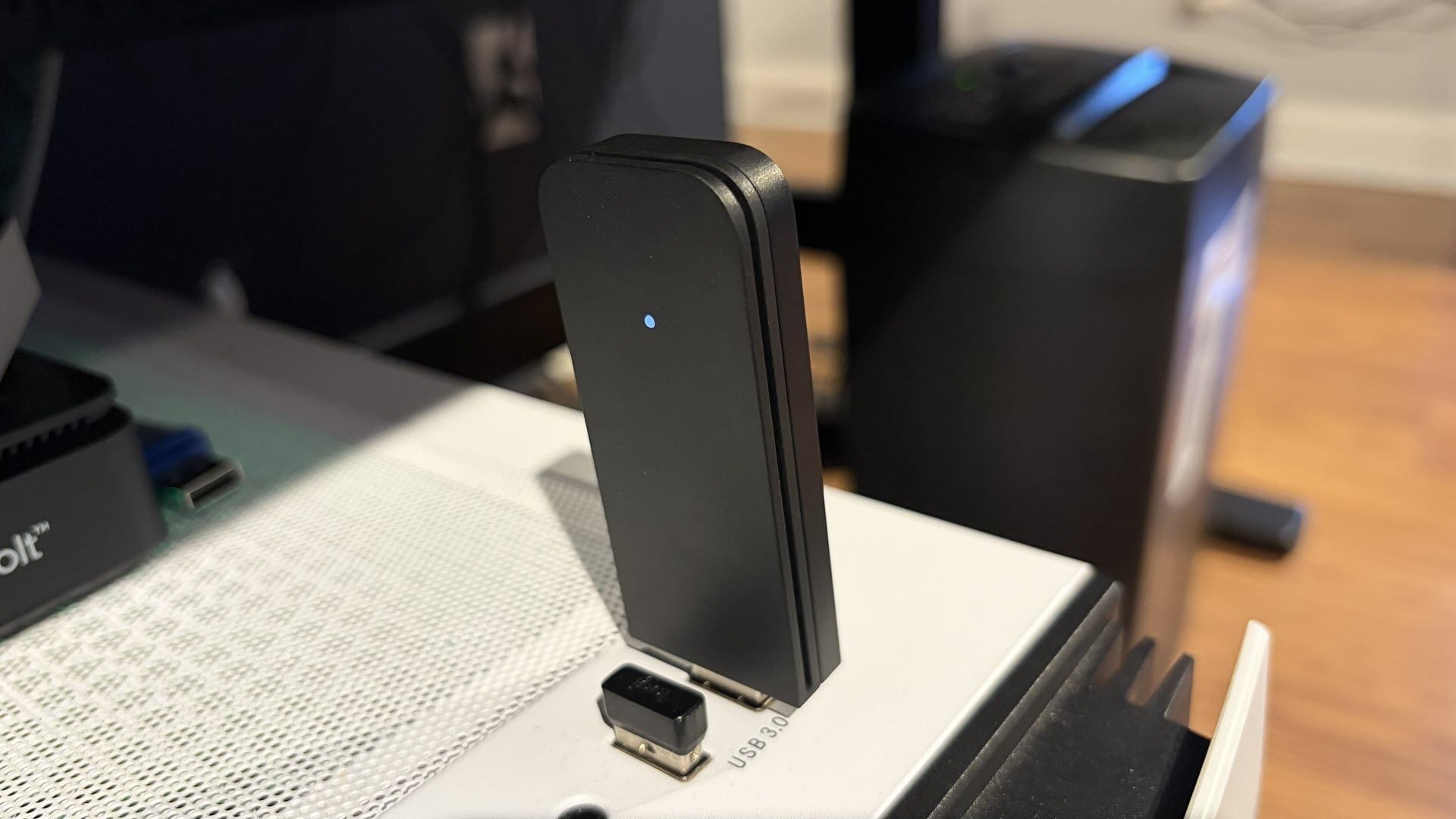
Valve has implemented multiple fallback mechanisms for wireless connectivity issues. The wireless adapter can work alongside home WiFi through a multi-link streaming system where both connections compete for each packet. If one connection drops due to interference or range loss, the other immediately takes over. For brief interruptions, the headset replays the previous frame. During extended dropouts, the system fades back to a default environment rather than leaving users disoriented.
Pricing and market conditions
The Steam Frame's price, which reaches approximately $1,300 at the top configuration, reflects broader supply chain pressures affecting the hardware industry. When asked about pricing concerns similar to those that greeted the Steam Machine, Griffais acknowledged the market realities. "Oh, yeah, I think as far as memory prices and those kinds of conditions, we're really in it like everyone else. Like, there's not really anything special that we can do."
Valve has worked to secure components at the best available prices, but the company is subject to the same market forces as competitors. "The fact that our price was affected by that compared to what we were hoping for is definitely true. But I'd say that it's trending along the reality of the market. And there's not really any sort of the kind of distortion compared to just the price of the parts in there," Griffais said. The cost increases extend beyond memory to include motherboards, copper, shipping, and other components. "Even just things like motherboards, copper, anything; even shipping anything worldwide right now is way more expensive than it was last year and two years ago. So every part of the sticker price is affected there."
Valve plans to use a reservation system for the Steam Frame, similar to the approach taken with the Steam Machine.