HyperX Cloud Alpha Air Brings Open-Back Gaming to the Budget Tier
HyperX's first open-back gaming headset combines lightweight comfort with solid audio performance at $149.99, though microphone sensitivity and software compatibility issues hold it back.
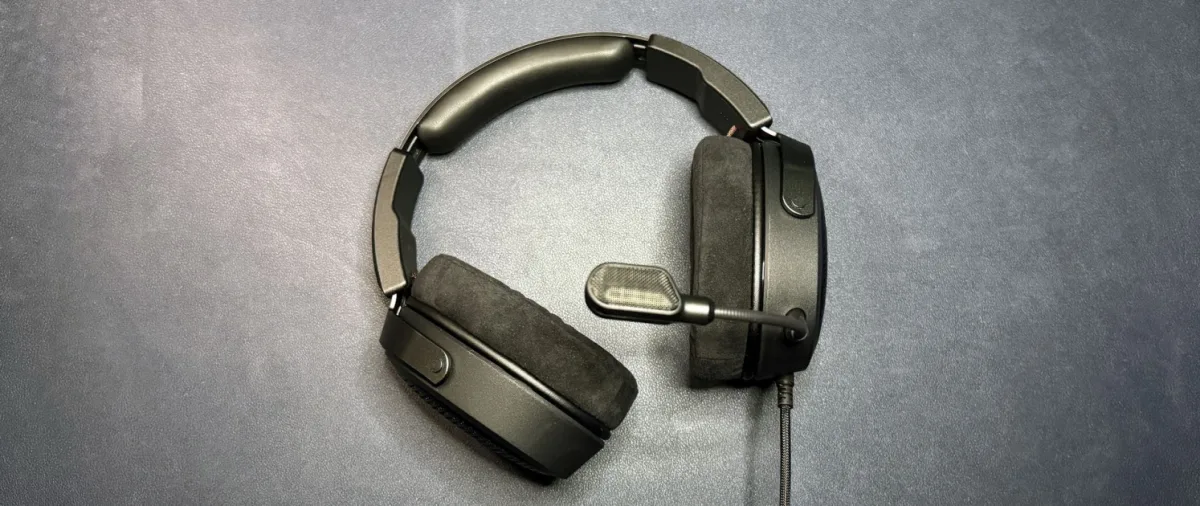
The gaming headset market now includes HyperX's entry into open-back territory with the Cloud Alpha Air. While competitors like the $200 Corsair Virtuoso Pro, $180 Turtle Beach Atlas Air, and $900 Audeze LCD-GX have already staked claims in this category, HyperX's offering undercuts them significantly at $149.99. The wired over-ear design prioritizes comfort and spatial audio through 40mm dynamic drivers spanning 20 to 20,000 Hz, supplemented by a proprietary HyperX Bass Tube to preserve low-frequency response in an open-back configuration.
Design and Comfort of the Cloud Alpha Air
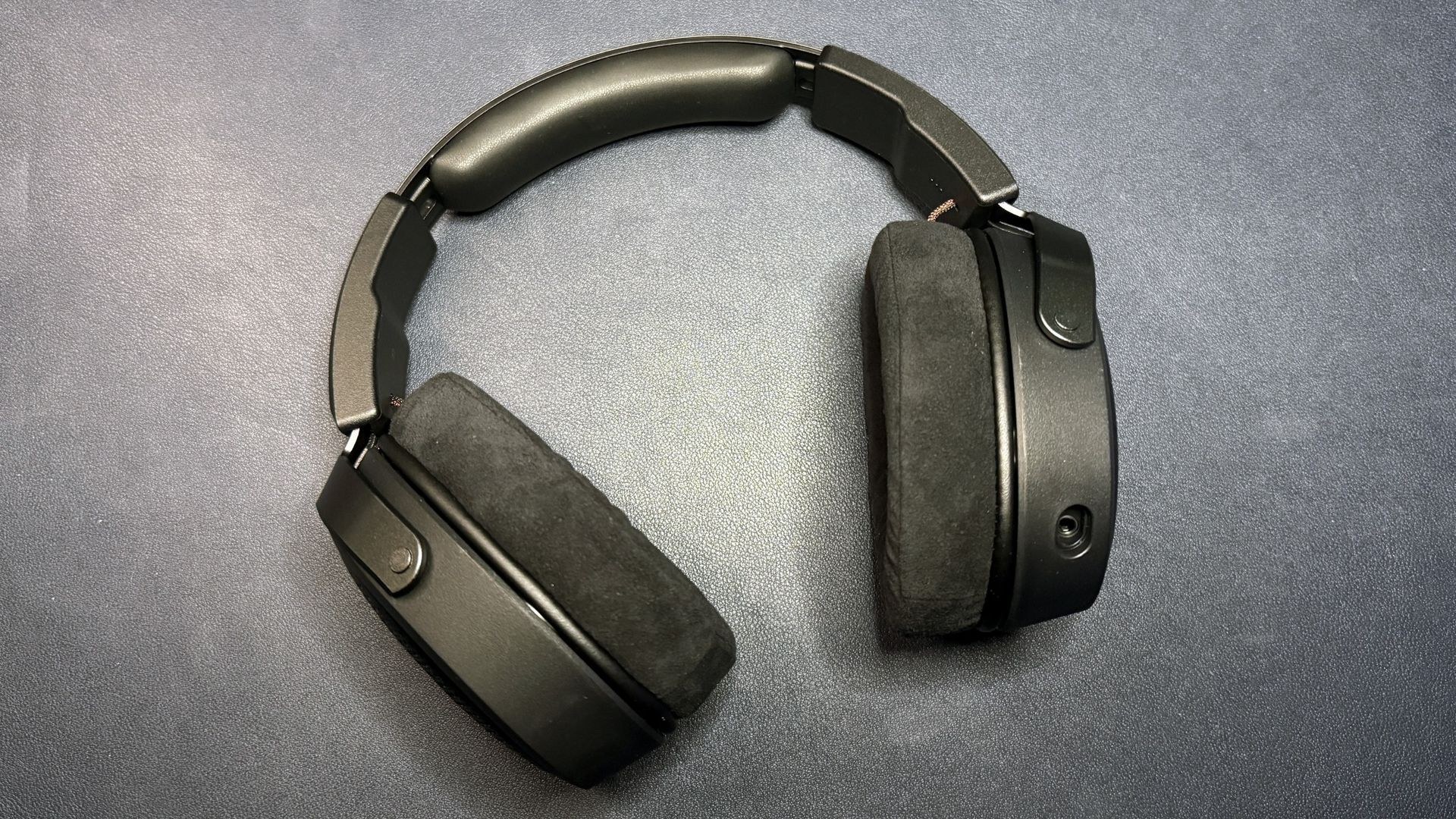
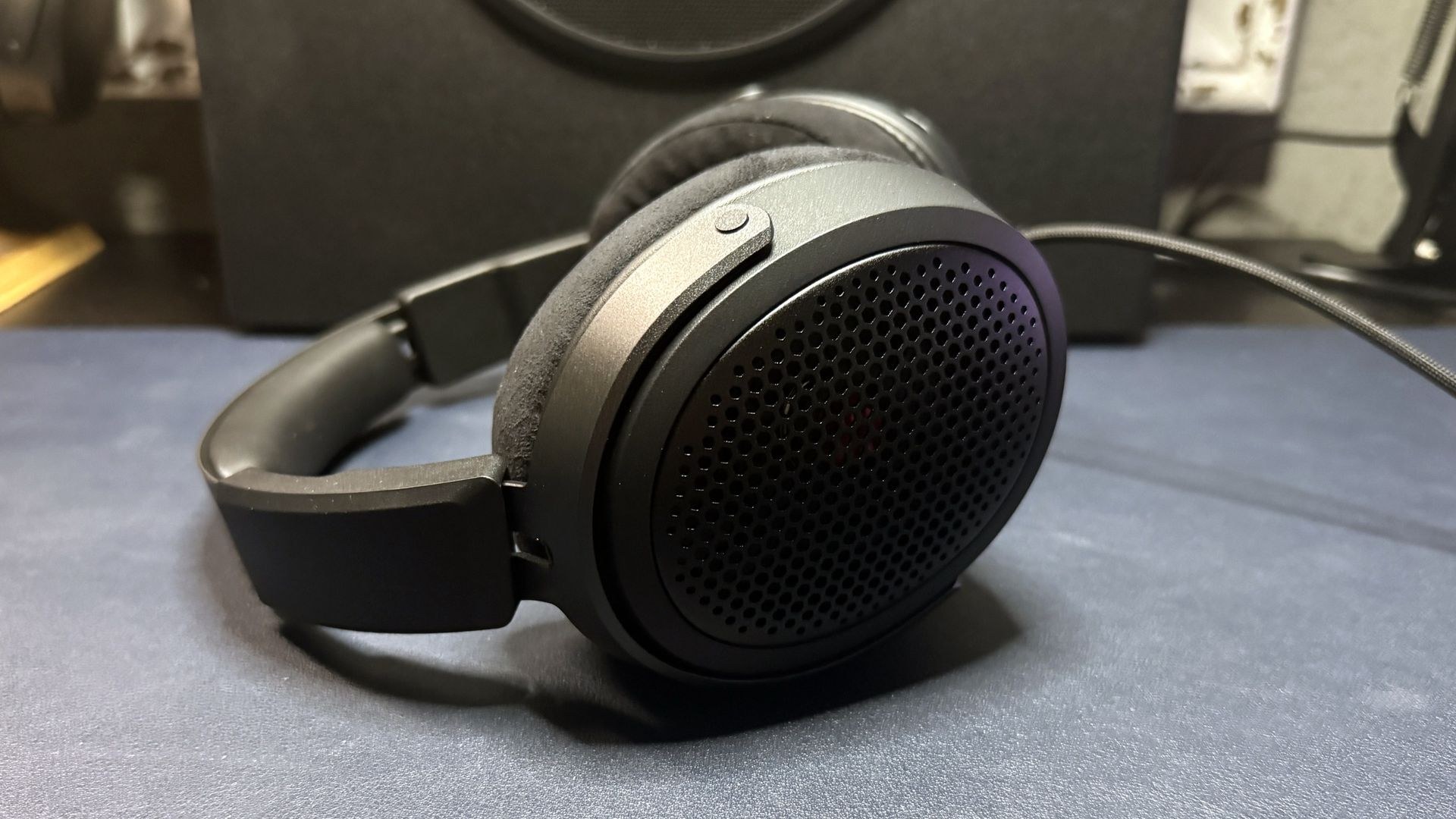
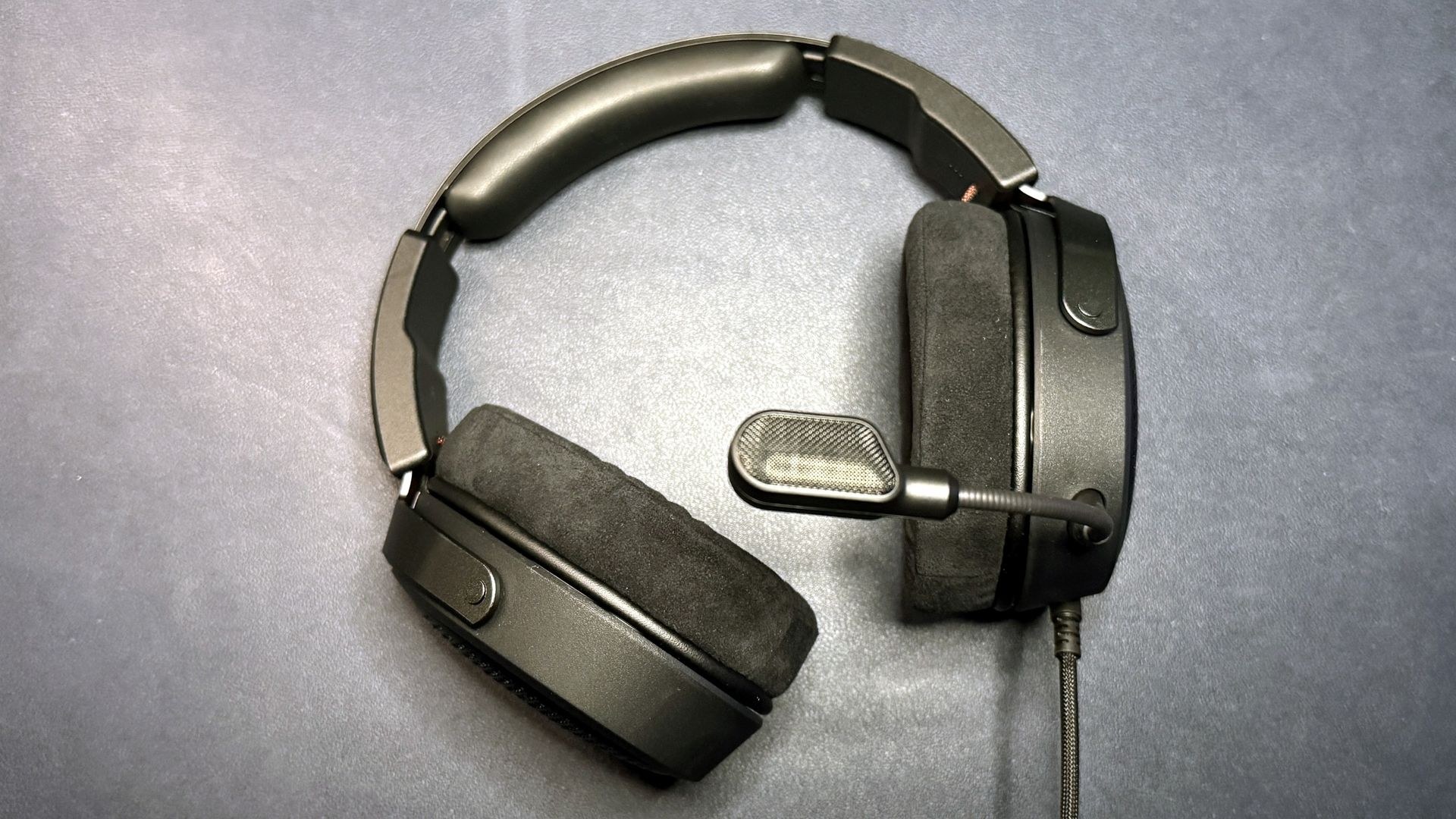
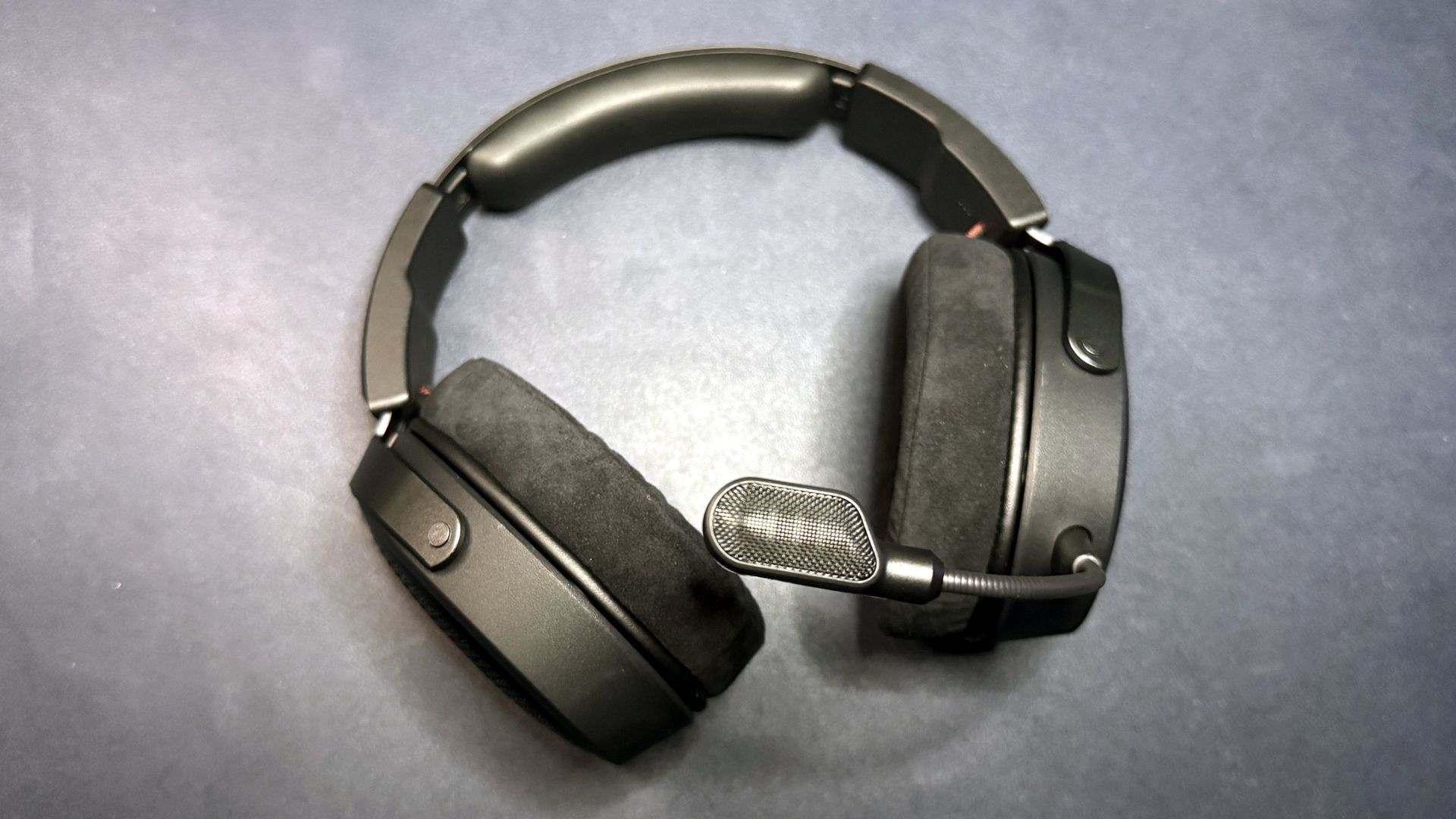
The headset weighs approximately 10 ounces (283g) without accessories, or just under 10.6 ounces (300g) when the detachable boom microphone and cables are included—making it among HyperX's lightest offerings and comparable to the Cloud Stinger 3 Wireless and Turtle Beach Atlas Air. Oval earcups with metal grilles sit atop a padded steel headband, though the construction proves less flexible than many competing gaming headsets; the earcups tilt and swivel but don't flatten completely. Memory foam padding wrapped in ultrasuede covers the earcups, while leatherette-covered padding cushions the headband. Height adjustment spans roughly one inch, yielding a maximum inner measurement near 12 inches (300mm).
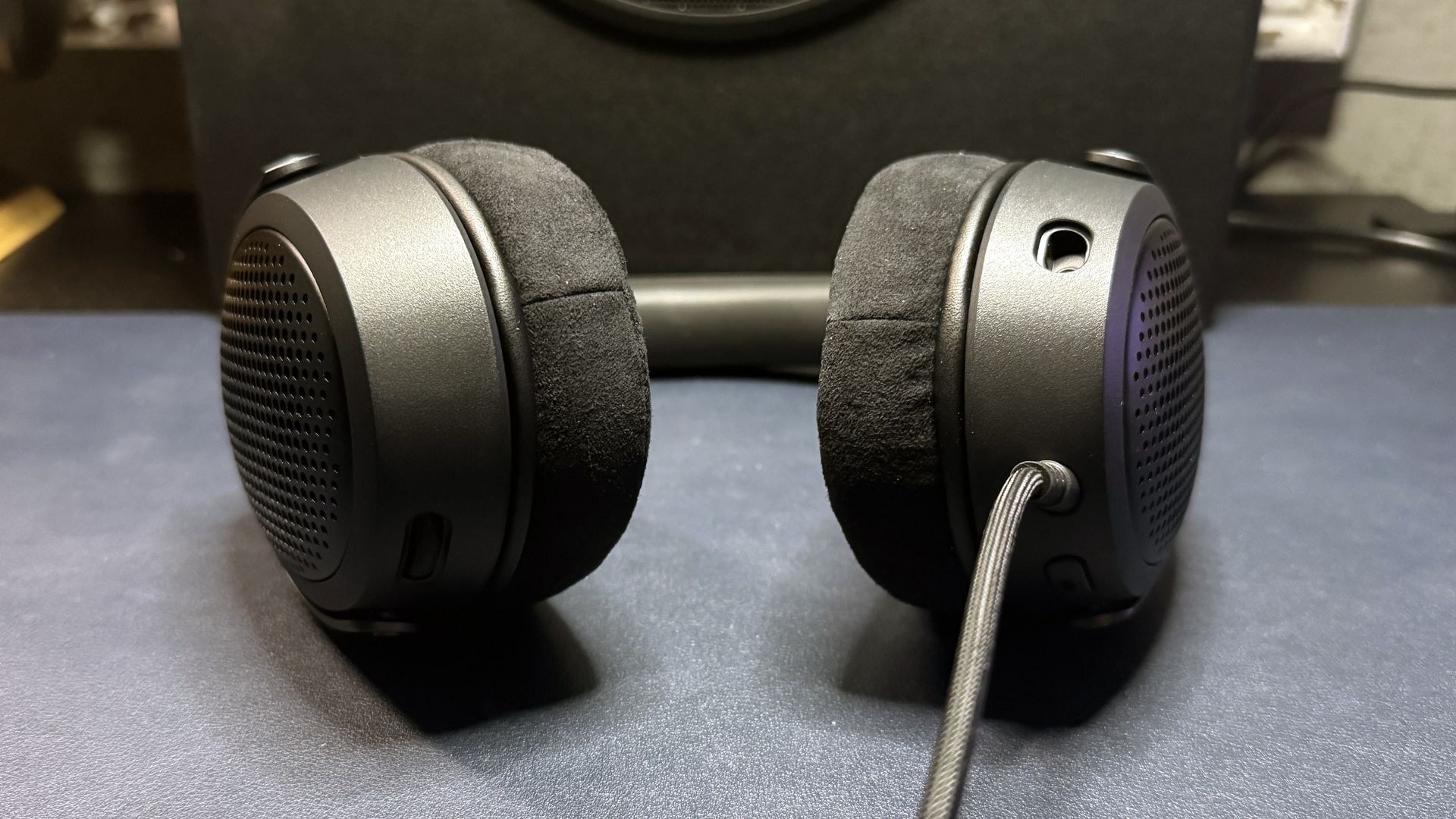
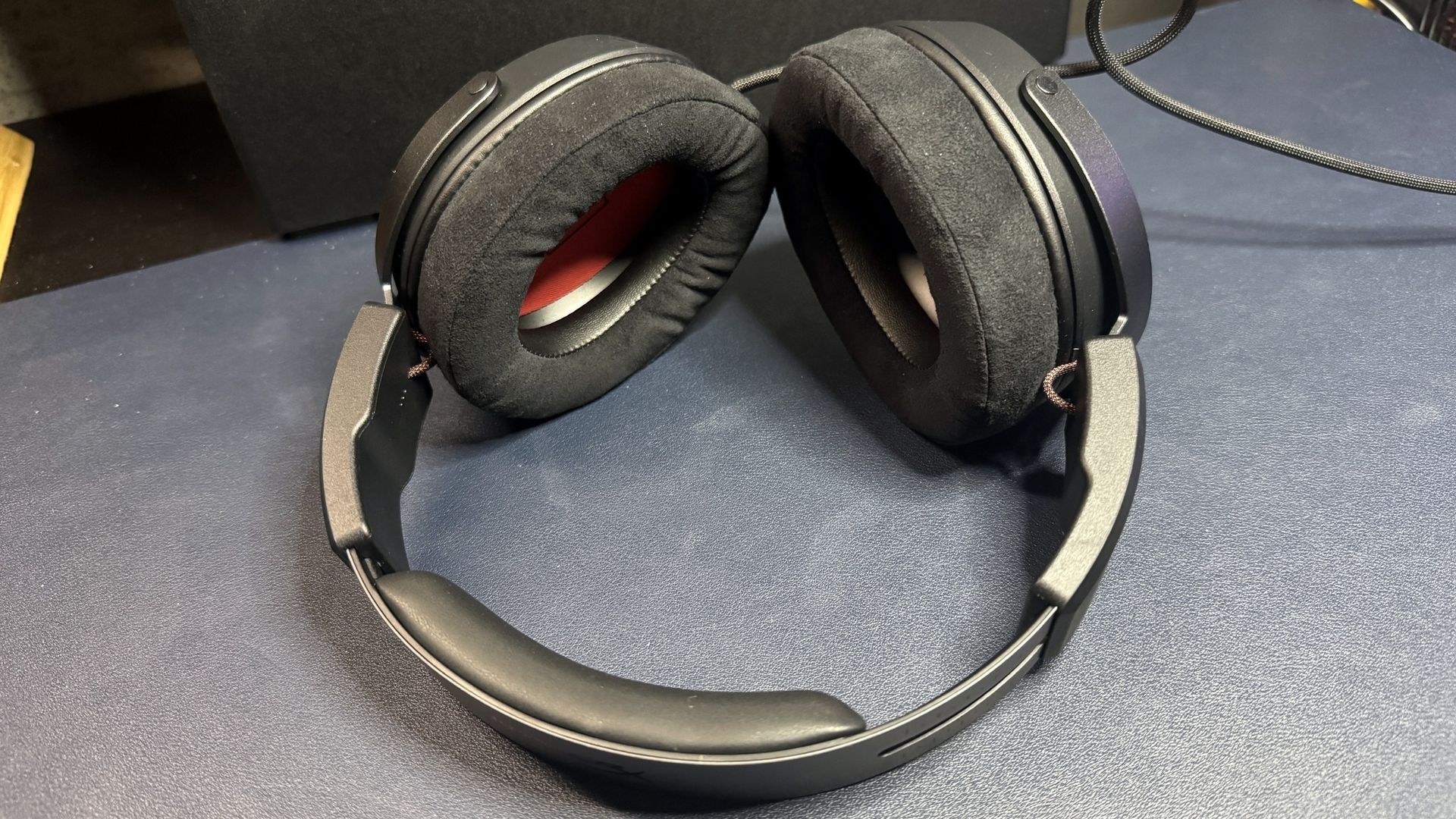
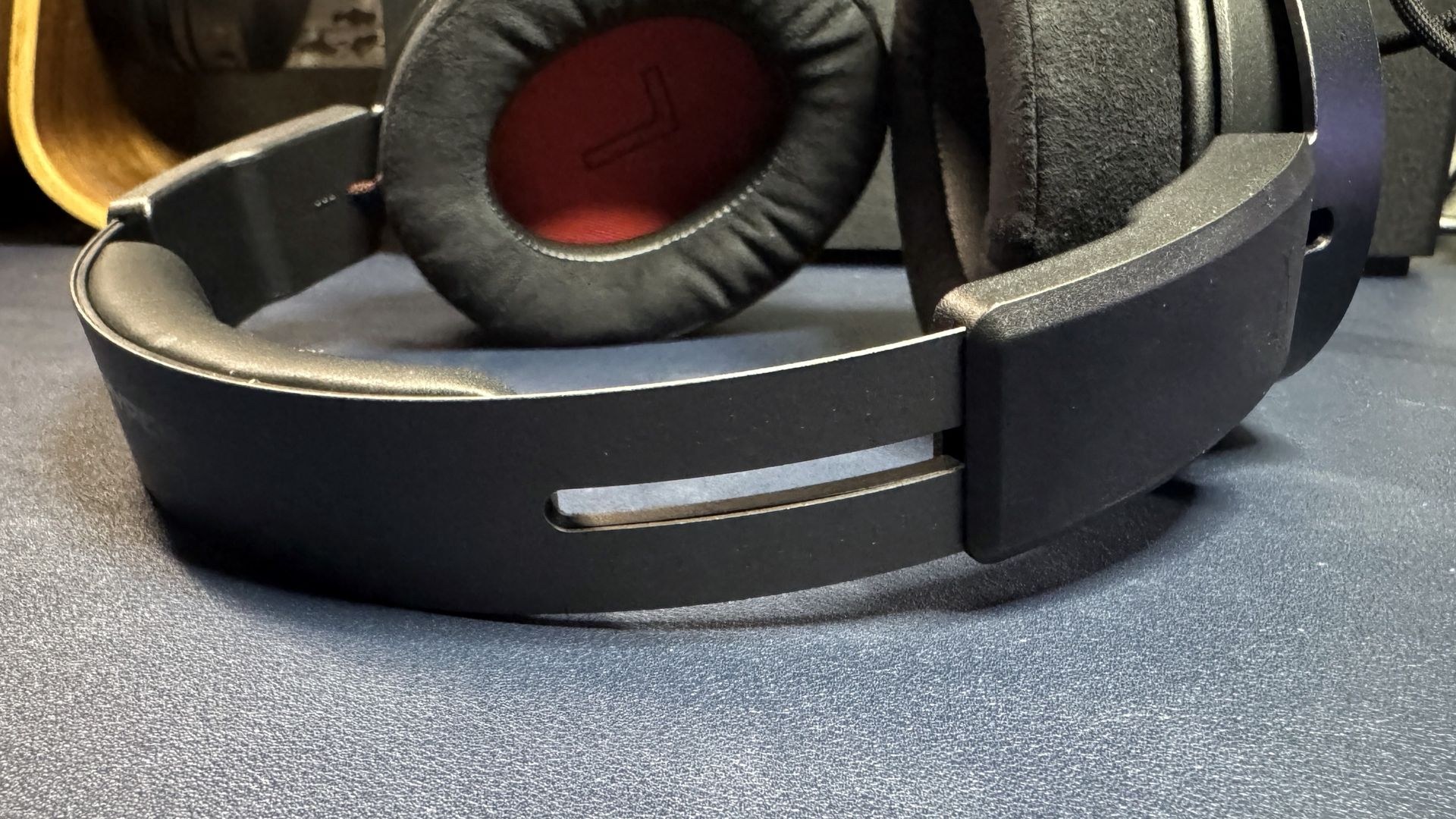
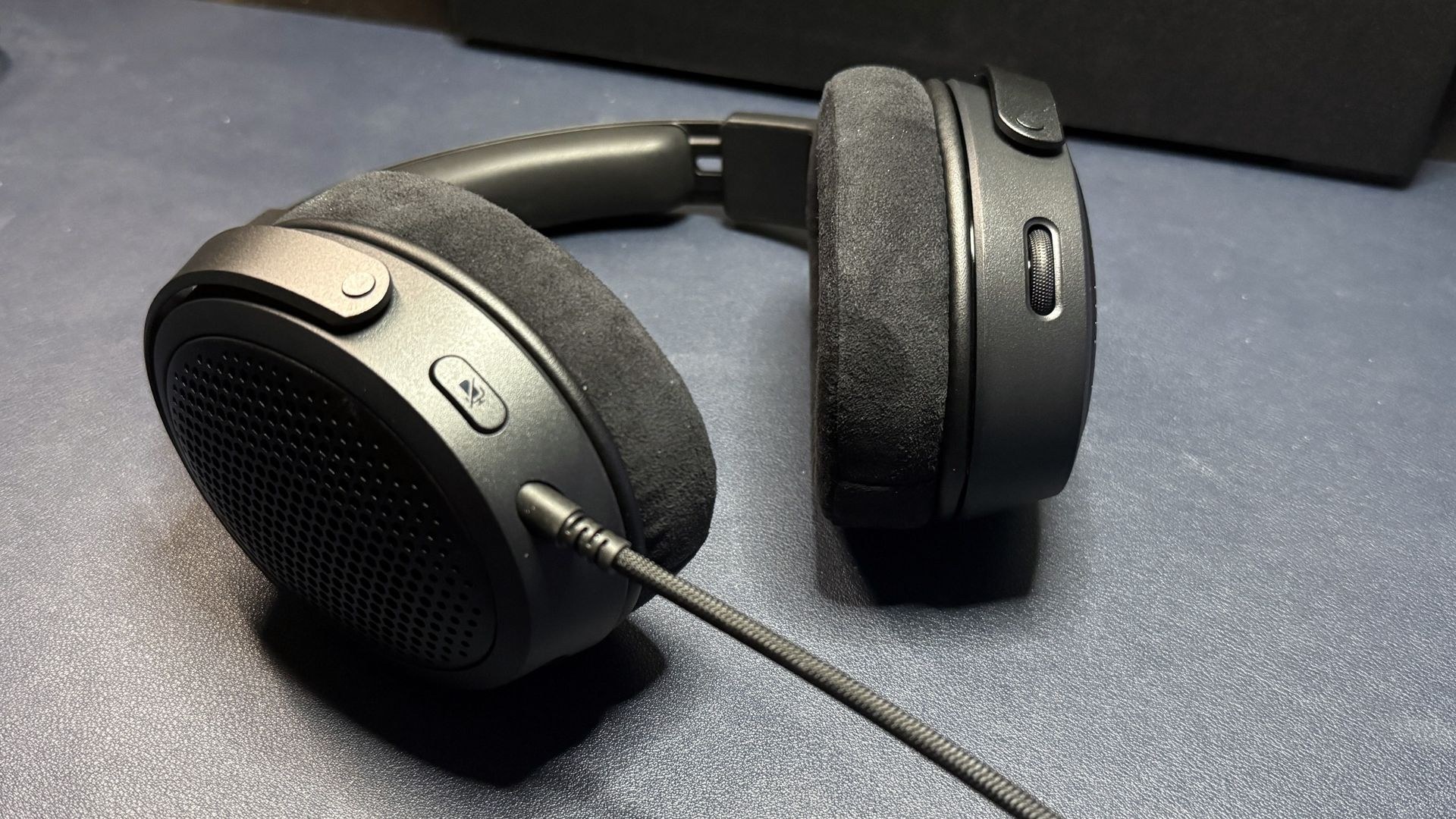
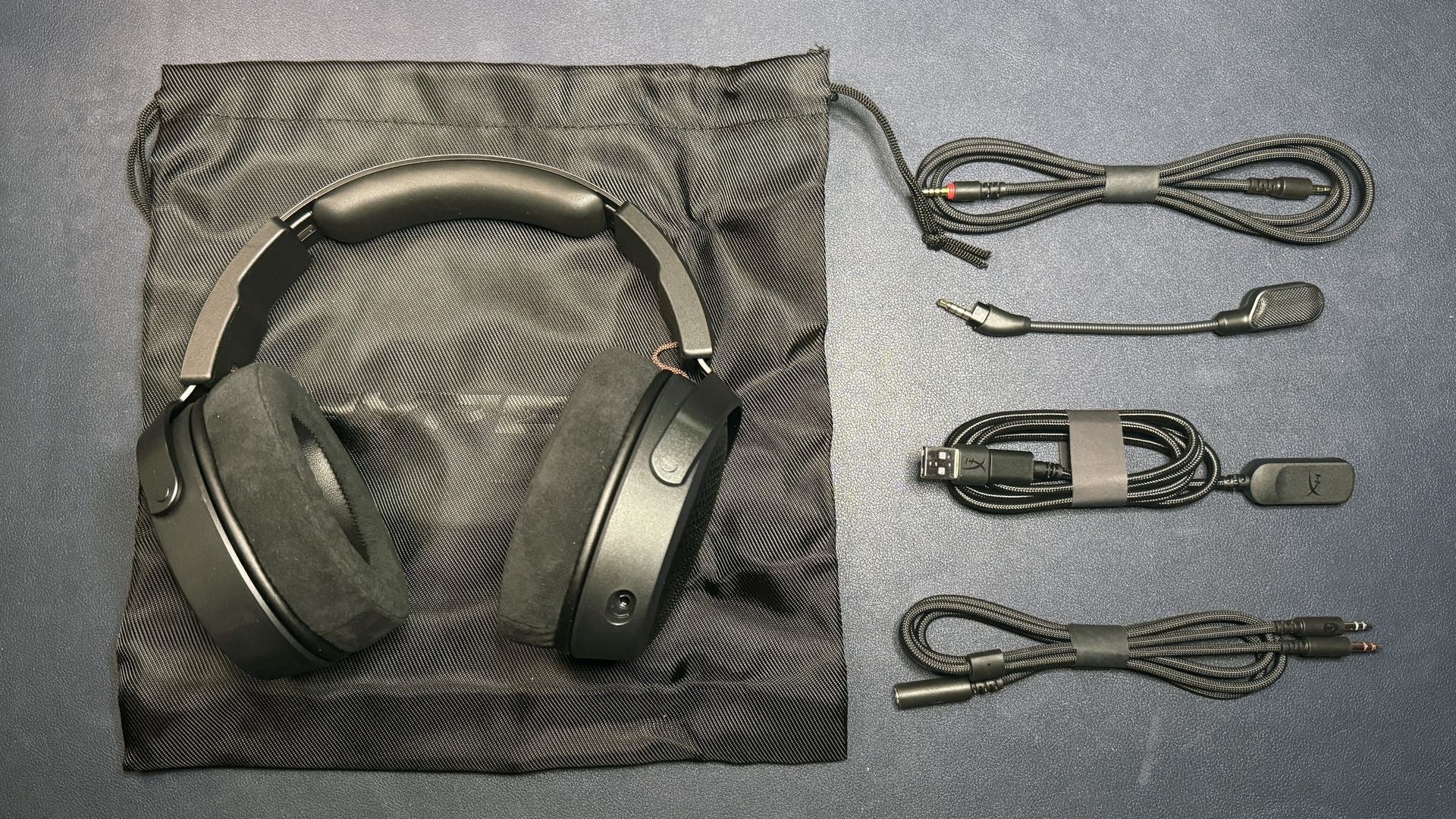
Despite the headband's structural rigidity, the lightweight overall package delivers comfort during extended wear. Users with larger heads may experience some pressure at the crown. The left earcup houses two 3.5mm jacks—one for the boom mic and one for audio—plus a mute button, while the right earcup features a volume wheel. The main cable measures 4 feet (1.2m), accompanied by a 4.5-foot (1.37m) 3.5mm-to-USB-C extension with USB-A adapter and a 3-foot (1m) PC extension with separate audio and microphone connectors, totaling roughly 8 to 8.5 feet when connected to a computer. Braided, high-quality cables come with a detachable boom mic and a drawstring carrying bag.
Audio Performance of the Cloud Alpha Air
Music playback demonstrates a largely neutral signature with bright, detailed treble, a full midrange, and controlled bass. The open-back design delivers a wider soundstage than closed-back alternatives, though not as expansive as premium models like the Audeze LCD-GX. Mid-range-focused tracks such as K-931's Lonely World and Enya's Orinoco Flow exhibited particular dynamism. The HyperX Bass Tube maintains respectable low-end presence despite the open design; while bass doesn't match closed-back headsets like the Razer BlackShark V3 Pro, it remains audible and detailed—the bass drum line in Lorde's Royals came through with clarity.
Gaming performance excels thanks to the open-back architecture. Titles with layered soundscapes such as Uncharted 4 and God of War: Ragnarok benefit from the spatial separation, allowing individual jungle creatures and city conversations to register with unusual distinctness. Directional audio performs well, though closed-back headsets remain preferable for competitive first-person shooters where footstep and gunshot positioning proves critical. The open design shines for exploration-focused gaming and maintaining awareness of real-world surroundings.
Microphone of the Cloud Alpha Air
A detachable 10mm boom microphone with unidirectional polar pattern mounts on a 3-inch flexible metal gooseneck, matching the unit found on HyperX's Cloud III S Wireless and Cloud Alpha 2 Wireless. A small red indicator light near the microphone signals mute status. Voice reproduction sounds clear and full in both chat and recordings, yet microphone pickup runs low by default. Attempts to adjust gain through HyperX's Ngenuity software failed—the application did not recognize the Cloud Alpha Air. The mute button engages easily, but the indicator light sits too low and dims too much for practical visibility without repositioning the mic. Pressing the mute button also produces a noticeable audio blip in recordings, consistent with issues observed on the HyperX Cloud III wired model.
Features and Software of the Cloud Alpha Air
The Cloud Alpha Air should integrate with HyperX's Ngenuity peripheral software for EQ tuning and microphone gain adjustment, yet the application failed to detect the headset during testing. Resolution through a software or firmware update remains uncertain.
Bottom Line
For buyers seeking an open-back gaming headset at an accessible price point, the Cloud Alpha Air merits consideration. Setting aside the wired nature of the design, the headset delivers comfort, minimal weight, and strong audio across music, film, and gaming applications. The Ngenuity compatibility issue, while present, carries limited practical consequence—peripheral software often introduces more friction than value, particularly for a largely analog device. The microphone sensitivity limitation represents a more substantive drawback for users prioritizing voice communication.