Dell Resurrects XPS 13 as MacBook Neo Rival, Starting at $699
Dell has revived its iconic XPS 13 laptop with Intel's latest processors, positioning it directly against Apple's entry-level MacBook Neo at a competitive price point.
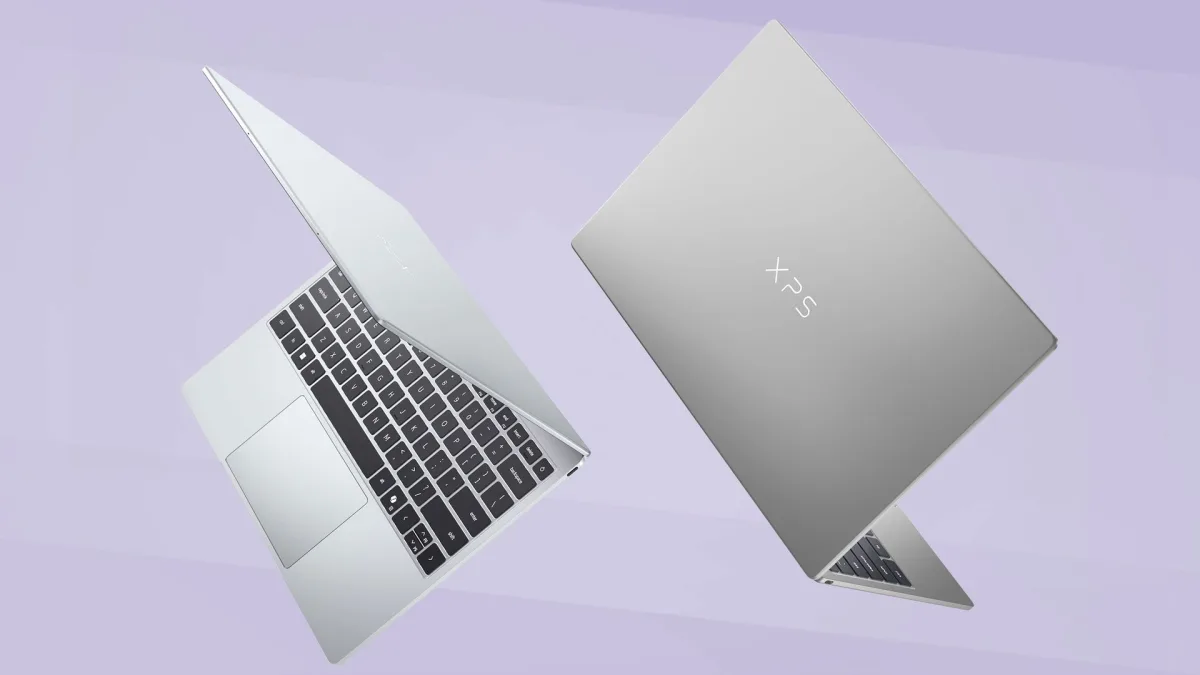
The return of Dell's XPS 13 marks a significant moment for the company's laptop lineup. Once celebrated for pioneering the InfinityEdge display and earning recognition as a top-tier Windows machine, the XPS 13 is making its comeback in a dramatically altered competitive landscape. This time, Dell is squarely targeting Apple's MacBook Neo and the emerging battle for budget-conscious laptop buyers.
Pricing begins at $699, with a special $599 offer available to students aged 16 and up during the back-to-school season. While this undercuts Apple's MacBook Neo by $100 at standard pricing, Apple maintains year-round student discounts that Dell's seasonal promotion does not match.
Specifications and Design
The refreshed XPS 13 achieves Dell's thinnest and lightest iteration yet, weighing just 2.2 pounds and measuring 0.5 inches thick—noticeably lighter than the Neo's 2.7-pound frame. The chassis features a CNC aluminum construction paired with a backlit keyboard offering 0.8 mm of key travel using chiclet-style switches. A standard mechanical trackpad rounds out the input experience, mirroring Apple's approach.
Two finish options—"sky" and "storm"—will be available, though the darker "storm" variant will arrive after the initial launch window.
Processor and Memory Options
The entry-level configuration runs on Intel's new Wildcat Lake architecture, specifically the Core 5 320 processor. Dell plans to introduce the Panther Lake-based Core Ultra 7 355 in a subsequent release. This dual-processor strategy gives Dell considerably more flexibility than the Neo's single offering.
Memory configurations start at 8GB, matching the Neo's baseline, but Dell extends options up to 32GB. The Wildcat Lake variants support single-channel configurations reaching 16GB, while Core Ultra models provide dual-channel support for 16GB and 32GB capacities. Storage spans from 256GB to 1TB on PCIe Gen 4 drives, though 256GB options will arrive post-launch in certain regions.
Display and Connectivity
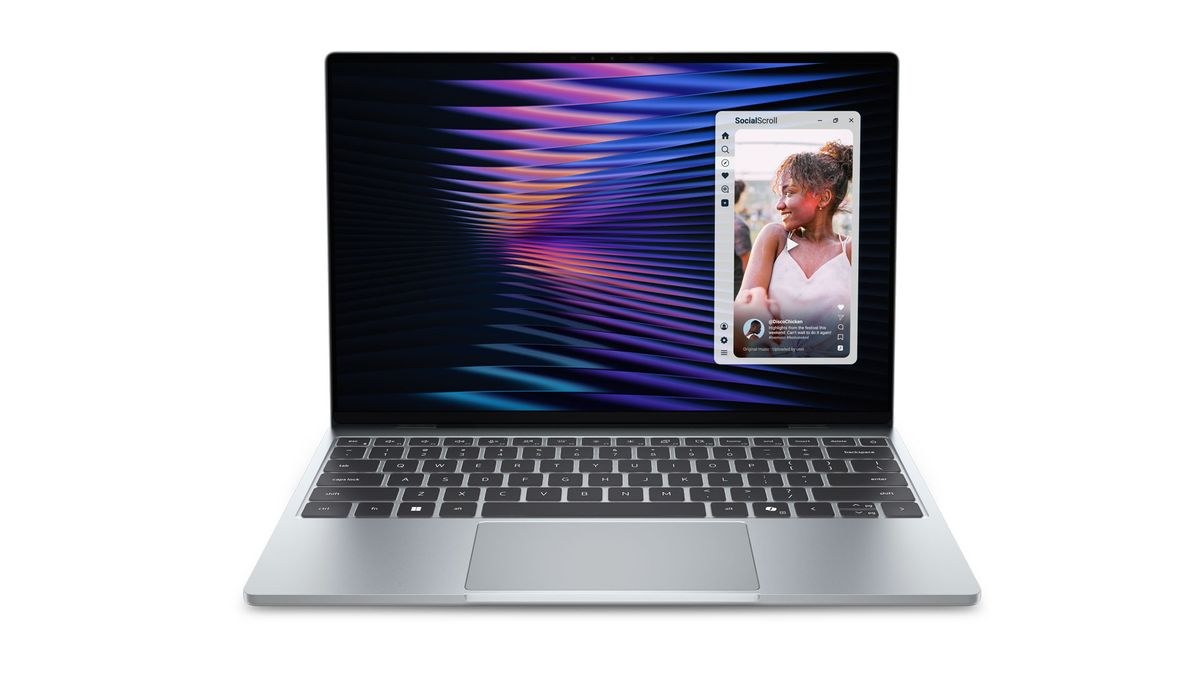
The 13.4-inch touchscreen delivers 2560 x 1600 resolution with variable refresh rates between 30 Hz and 120 Hz, surpassing the Neo's 13-inch non-touch display. Peak brightness reaches 500 nits.
Connectivity remains minimal, with two USB Type-C 3.2 Gen 2 ports on Core 5 models, upgraded to Thunderbolt 4 on Core Ultra variants. The absence of a headphone jack represents a notable omission for users requiring legacy audio connectivity.

Base Configuration Details
The $699 entry point includes a Core 5 320 processor, 8GB of RAM, 512GB SSD storage, and the touchscreen display. Pricing for upgraded configurations remains unannounced, though higher-tier options will likely command significantly more than Apple's Neo.
Dell's Positioning Against Apple
Dell is openly courting comparisons with the MacBook Neo. In promotional materials, the company acknowledges the Neo as "a capable machine," but argues its own device represents superior value at this price tier. "Where Dell differs is what we think premium means at this price point and what we were willing to build to deliver it," Dell stated in its announcement.
The company highlights the XPS 13's weight advantage, faster USB connectivity, integrated touchscreen, and expanded configuration options that enable greater performance—though likely at substantially higher costs for upgraded models. Whether these advantages will sway students and emerging professionals away from Apple's ecosystem remains an open question.

Dell's entry into the mid-range premium segment with the XPS 13 represents a departure from its typical reliance on the Inspiron line for budget offerings. The device is scheduled to launch in June.