Daggerfall's Uncompromising Vision: Why a 30-Year-Old RPG Still Matters
The Elder Scrolls II: Daggerfall remains a polarizing masterpiece—a game that demands patience but rewards those willing to embrace its ambitious, simulation-first design philosophy.
The C:\ArsGames series ostensibly exists to drive game sales, though its true purpose is far more sentimental: an opportunity for writers to revisit the titles that shaped their gaming sensibilities. This particular installment examines a title available at no cost whatsoever, a decision the publication can apparently afford. The game in question is The Elder Scrolls II: Daggerfall, and its selection stems from two compelling factors: co-creator Julian LeFay's recent death, and its profound influence on the author's formative years.
Daggerfall also serves as a fascinating lens through which to examine Bethesda's evolution. The studio, simultaneously beloved and reviled by gaming communities, created something in Daggerfall that illuminates both the treasures and the reasons the industry abandoned '90s PC gaming sensibilities. Yet despite its rough edges and unconventional design, the author maintains genuine affection for the game. It is decidedly not universal in appeal, but for certain players, it remains exceptional.
The Accessibility Problem
Daggerfall's reputation among contemporary audiences is decidedly mixed. A cursory YouTube search reveals numerous videos with dismissive titles, though some prove less critical upon closer inspection. The core issue traces back to an era when game design prioritized experimental programming and untested mechanics over carefully engineered entertainment formulas.
The game's willingness to incorporate unusual systems—climbing mechanics, vast wilderness rendered as meaningless liminal space, opaque faction reputation systems, and intricate character progression—represents a refreshing departure from modern RPG conventions. Yet the most vexing aspect involves mechanics that receive no explanation whatsoever.
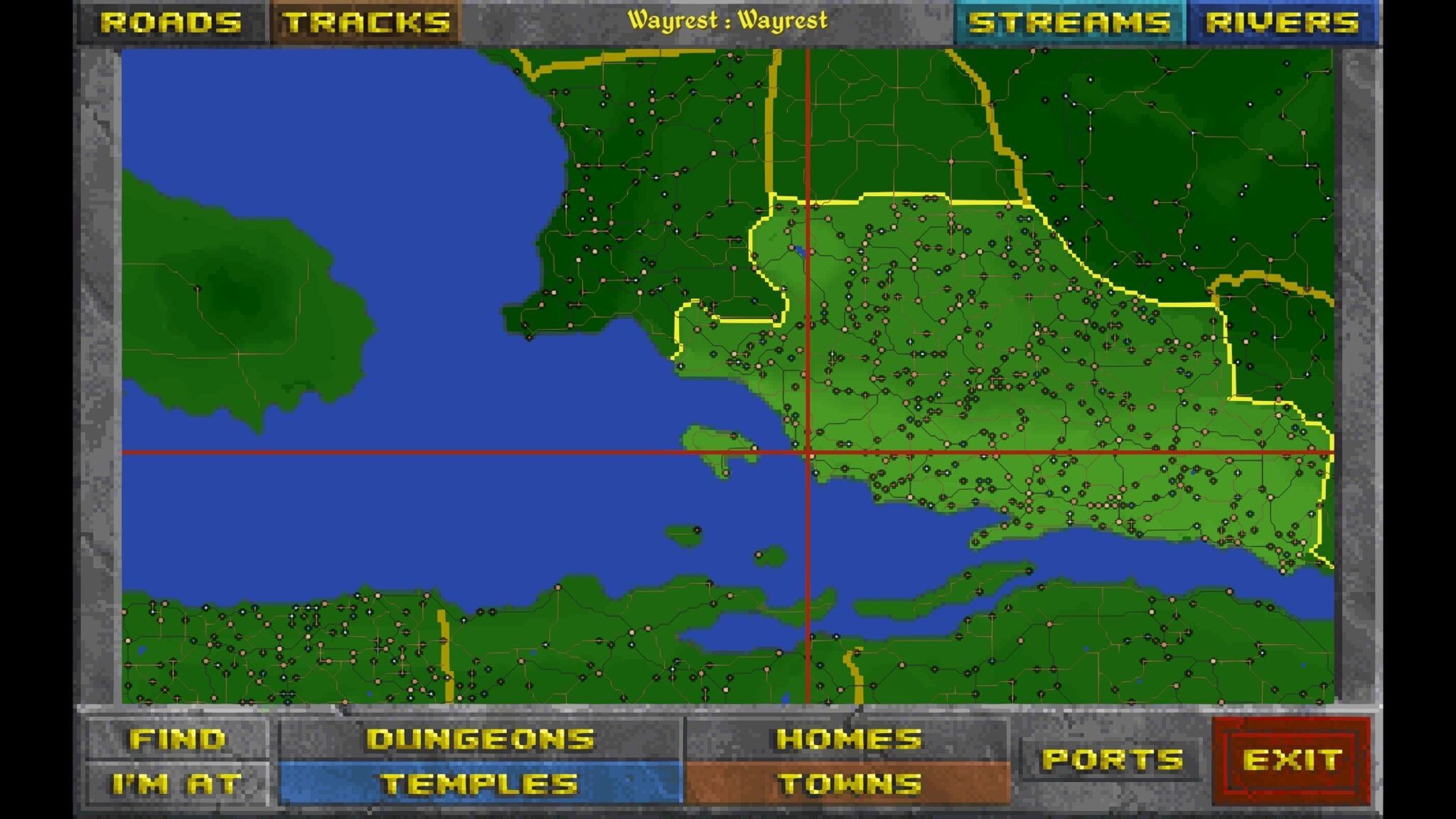
During a recent playthrough, the author spent hours completing quests in Wayrest, the game's prominent city, without apparent incident. Then a guard arrested them for assault. The cause remained mysterious until research revealed the culprit: galloping a horse too close to NPCs registers as assault, carrying penalties including up to a month imprisonment and substantial fines. No in-game feedback warned of this consequence.
This design opacity undoubtedly frustrates newcomers, yet some critics apply inconsistent standards. One YouTuber complained about Daggerfall's lack of explanation while praising Minecraft—a game equally opaque. The difference may lie in when players encounter these titles. Those who discovered Daggerfall as children possess greater tolerance for its idiosyncrasies than adult players approaching it fresh. Patience with wikis, as required for both Daggerfall and Minecraft, unlocks substantial depth, and the author contends that games with steeper initial learning curves often prove most engaging long-term.
Procedural Generation and Modern Parallels
Beyond learning curves, many players reject Daggerfall's procedurally generated world and quests, particularly those accustomed to Skyrim's hand-crafted environments and narratives. While Skyrim incorporates "Radiant Quests" resembling Daggerfall's approach, the older game relies almost exclusively on such procedural content for everything except a small core of main story missions.
Elite Dangerous offers a loose contemporary analogue, though some prefer calling it a simulation rather than a game. However, Bethesda's own Starfield presents the most striking parallel to Daggerfall. Both titles cultivate devoted fanbases amid larger audiences dismissing them as failures.
Starfield purchasers anticipated Skyrim transplanted to space. The author believes disappointment stemmed from receiving Daggerfall in space instead—a fundamentally different experience. Like Daggerfall and Elite Dangerous, Starfield embraces the notion that most environments contain little of substance, accurately reflecting actual space and wilderness while prioritizing atmosphere and systemic play over narrative momentum. Most dungeon locations employ randomization, emphasizing vibes and mechanical exploration rather than authored storytelling, though Starfield does include narrative content that simply isn't the game's strength.
Notably, minimal overlap exists between Daggerfall's original team and Starfield's creators. Daggerfall predates Todd Howard's role as creative director and Emil Pagliarulo's tenure—the two primary creative forces at Bethesda Game Studios since Morrowind. Yet Starfield somehow synthesizes sensibilities from both Daggerfall and Skyrim, explaining why contemporary players struggle with it given their difficulties with Daggerfall itself.

A Simulation of Alternate Lives
PC gaming has long harbored a recurring aspiration: a singular game enabling players to fully inhabit a chosen fantasy existence. Whether explicitly intended, marketed, or merely hoped for by players, the appeal lies in sophisticated simulated worlds so immersive that reality fades away. The fantasy takes various forms—"I want to be a space trader" or "I want to be a wandering fantasy adventurer"—with the game providing expansive toolkits for pursuing these visions independently.
Games pursuing this vision often blur the line between simulation and game, sacrificing consistent entertainment value for ambitious scope. Because they facilitate players' imagined experiences, they frequently provoke visceral negative reactions from those whose personal expectations diverge from what games can actually deliver. This pattern persists today, evident in responses to No Man's Sky, Cyberpunk 2077, and Starfield.
Daggerfall exemplifies this category. It remains inaccessible to many, yet for players seeking experimental, simulation-focused experiences that risk enabling alternate fantasy lives as much through imagination as through on-screen action, it ranks among gaming's finest achievements.
The author advocates judging creative works by whether they accomplish their intended goals rather than against external expectations. By this standard, Daggerfall fares considerably better. Modern AAA production economics and fidelity demands render the experimental, life-simulation approach nearly impossible to pursue today, yet the author deeply misses it. Deeply flawed ambitious works typically outweigh skillfully executed retreads of established formulas.
While formula-driven games have merit—the author previously wrote positively about Assassin's Creed Shadows—such titles rarely endure. Daggerfall has persisted for three decades in the author's memory, and revisiting it confirms this longevity stems beyond nostalgia. The game embodies a maximalist design philosophy conspicuously absent from contemporary markets.
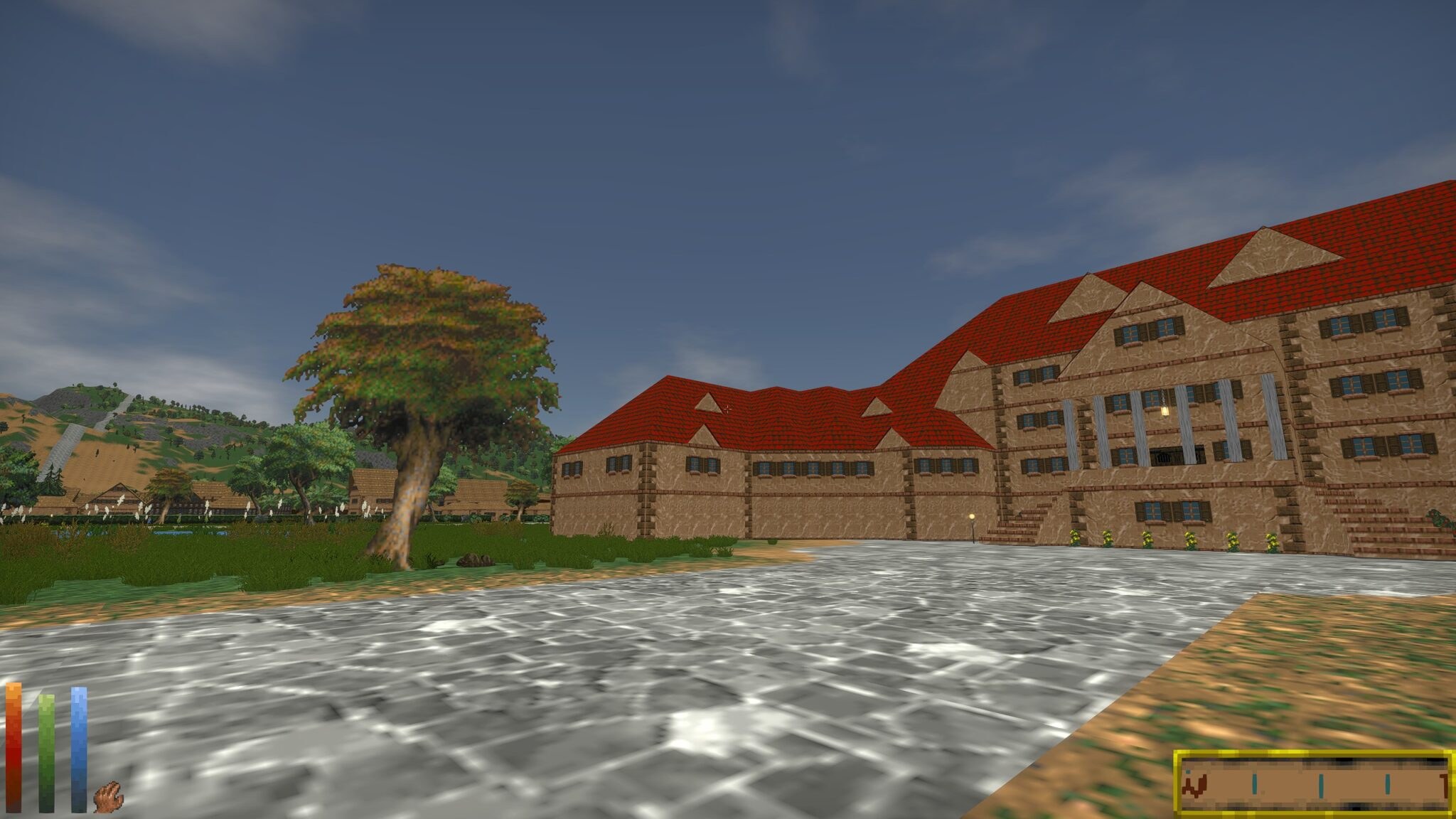
For those sharing this inclination, Daggerfall merits exploration. However, employ the more accessible Daggerfall Unity remaster alongside the GOG classic version, maintain ready access to the Unofficial Elder Scrolls Pages wiki, and prepare to dedicate several hundred hours. Alternatively, consider making it a retirement project.