A Quarter Century On: Apple's iPod Debut Reshaped Portable Music
On October 10, 2001, Steve Jobs introduced the iPod as a pocket-sized music library, launching a device that would define personal audio for two decades before smartphones rendered it obsolete.
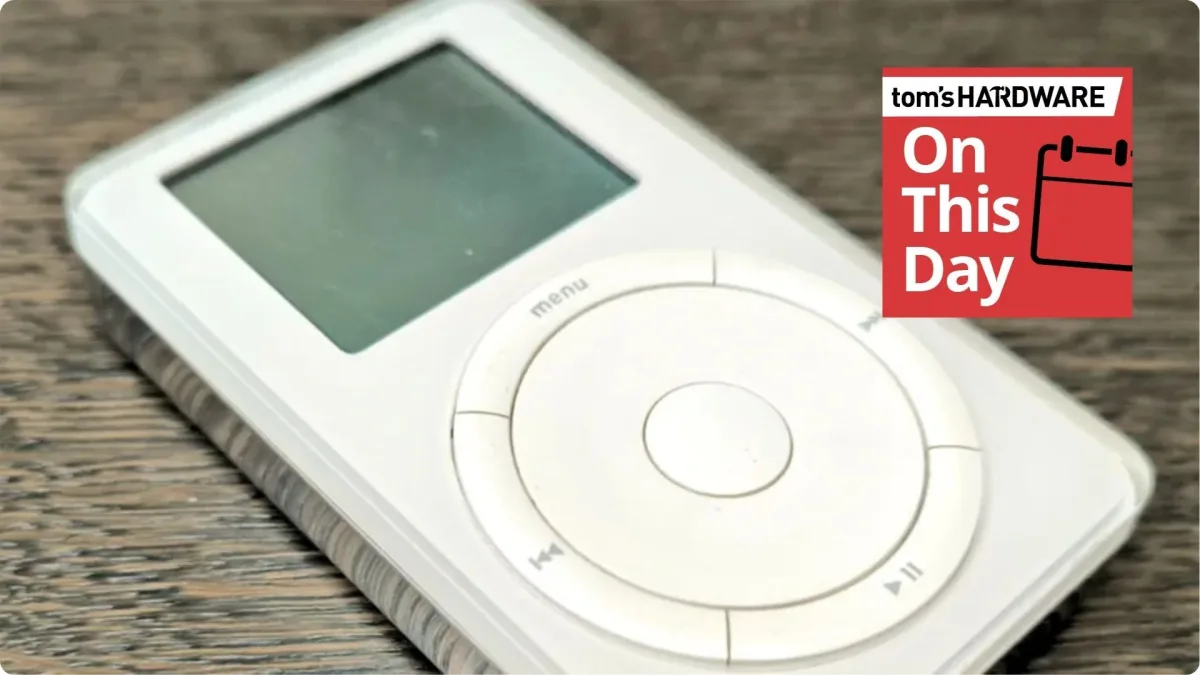
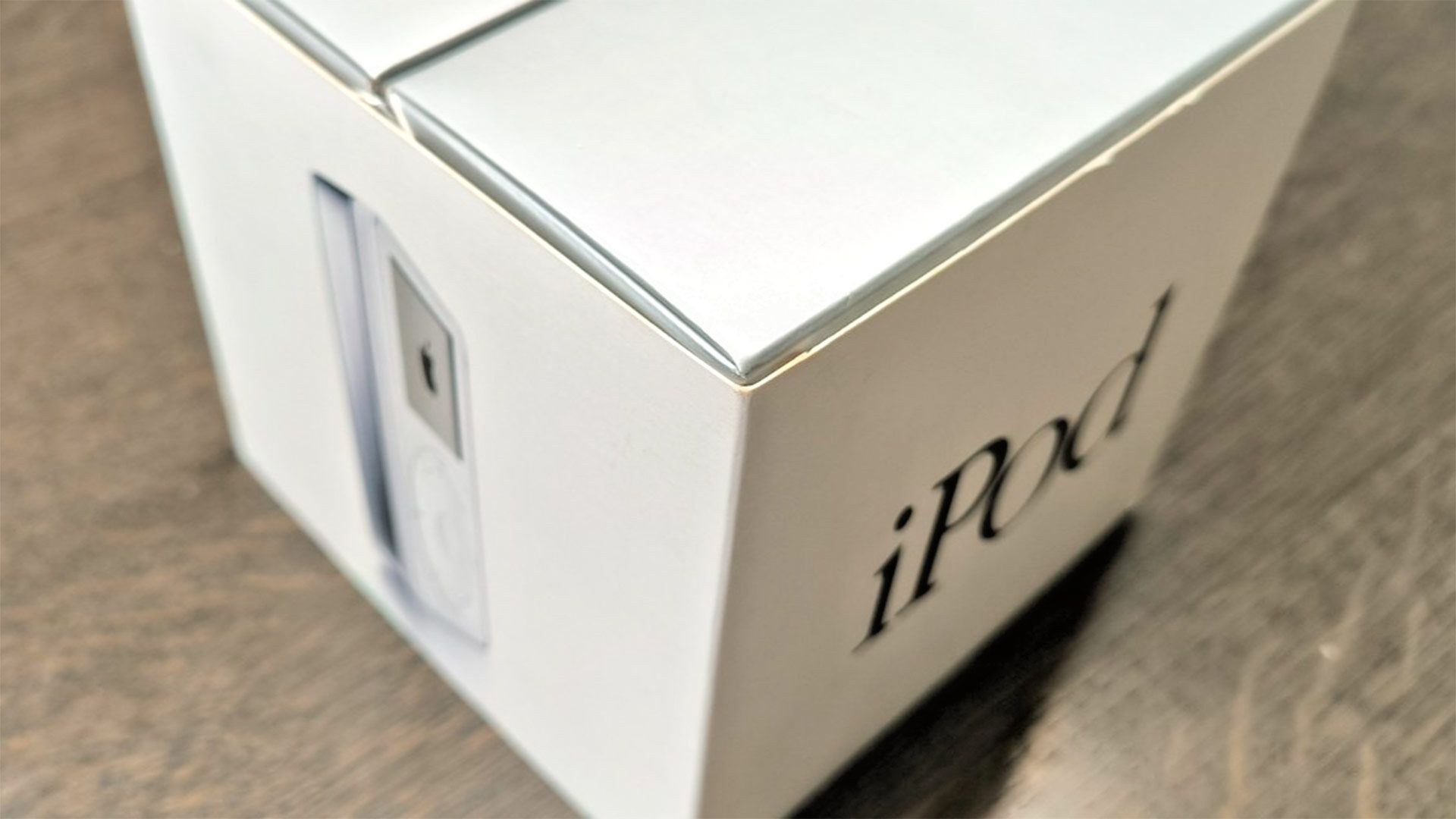
Twenty-five years ago, Apple's chief executive Steve Jobs took the stage to present what he called a breakthrough digital device that's not a Mac. That device became the iPod, a pocket-sized music player that transformed how people carried and listened to their personal audio collections. The original model promised to hold an entire music library for $399, a proposition that captivated gadget enthusiasts and would make the iPod an essential carry item until smartphones matured enough to absorb its function.
The timing of the October 2001 launch positioned the iPod within a broader Apple resurgence. Jobs had already guided the company through the transition to Mac OS X, establishing the iBook and iMac as consumer favorites during a period when the dot-com crash had rattled the technology sector. The company was building momentum, and the iPod would become a cornerstone of what Jobs envisioned as a new digital lifestyle centered on the Mac.
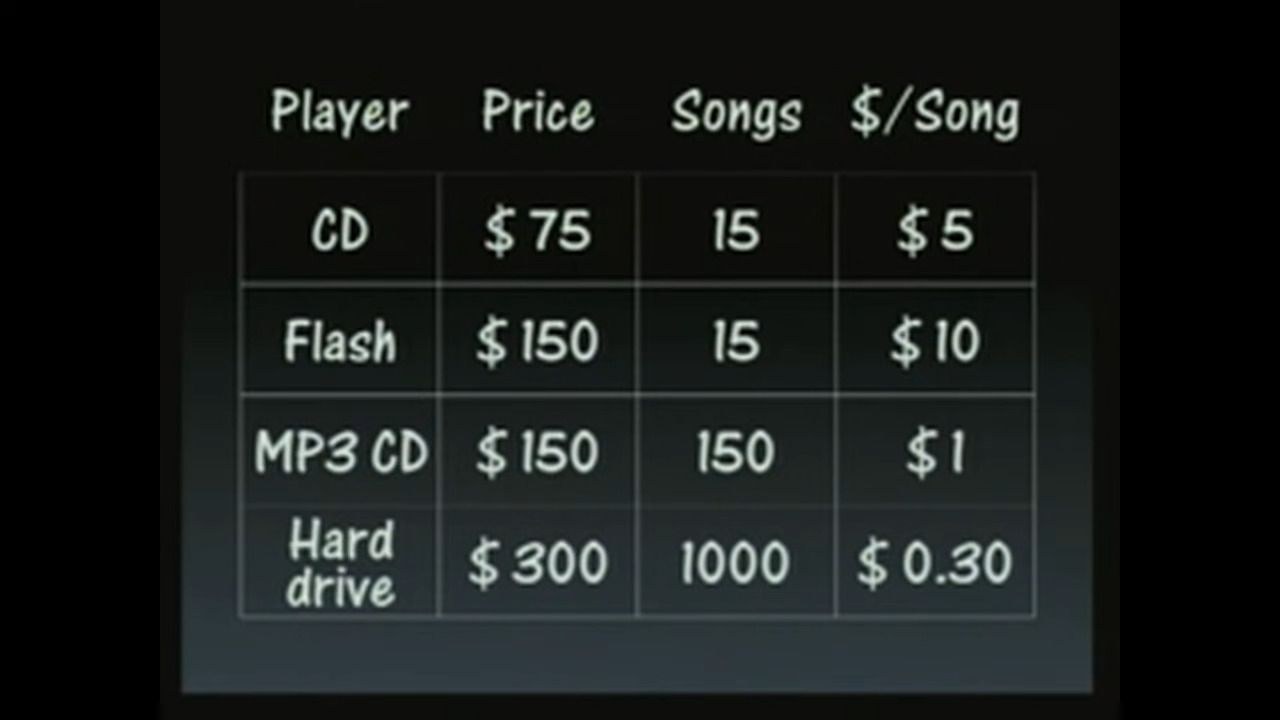
Jobs articulated a strategic rationale for entering the portable music market. Music held universal appeal and represented an enormous addressable market without a clear dominant player. Competitors including Creative, Sonic Blue, and Sony already offered portable digital music devices, yet Jobs observed that none of them has really found the recipe yet, for digital music. The market at that moment offered four main categories: CD players, MP3 CD players, flash-based players, and hard disk-based jukebox players. Jobs identified the last category as the optimal entry point for Apple.
The Original Specifications
The iPod arrived as an MP3 player delivering CD-quality audio and supporting the prevalent formats of the era: MP3, WAV, and AIFF. Its 5GB hard drive could store approximately 1,000 songs—specifically, 1,000 typical pop-length MP3 files encoded at 160Kbps. Jobs emphasized that for most people it's their entire music library.
Three Competitive Advantages
Portability and Hardware
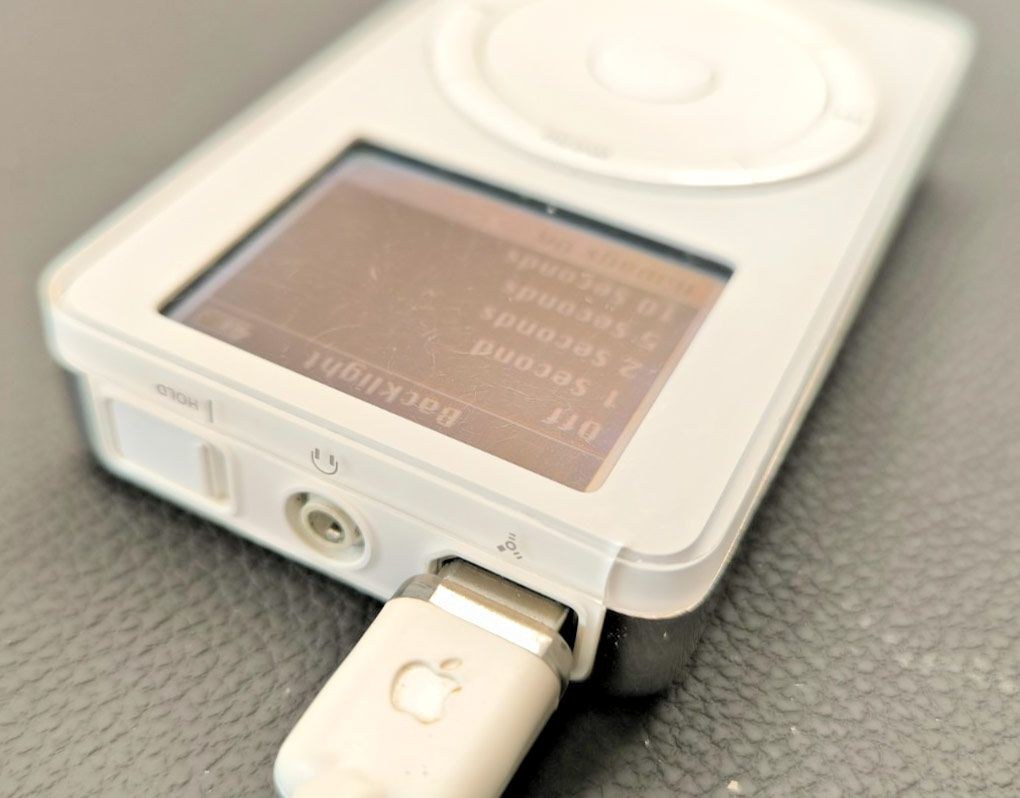
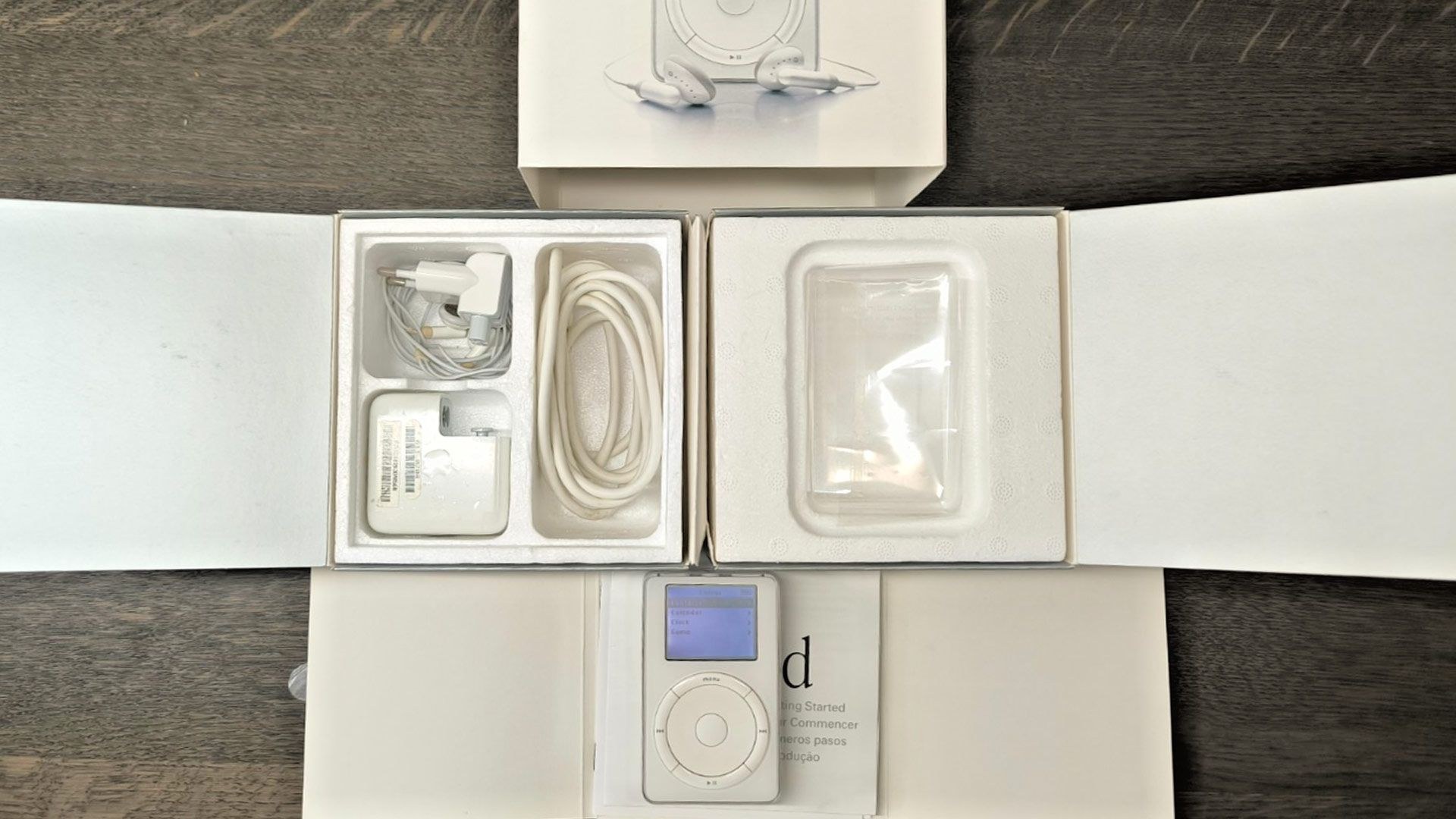
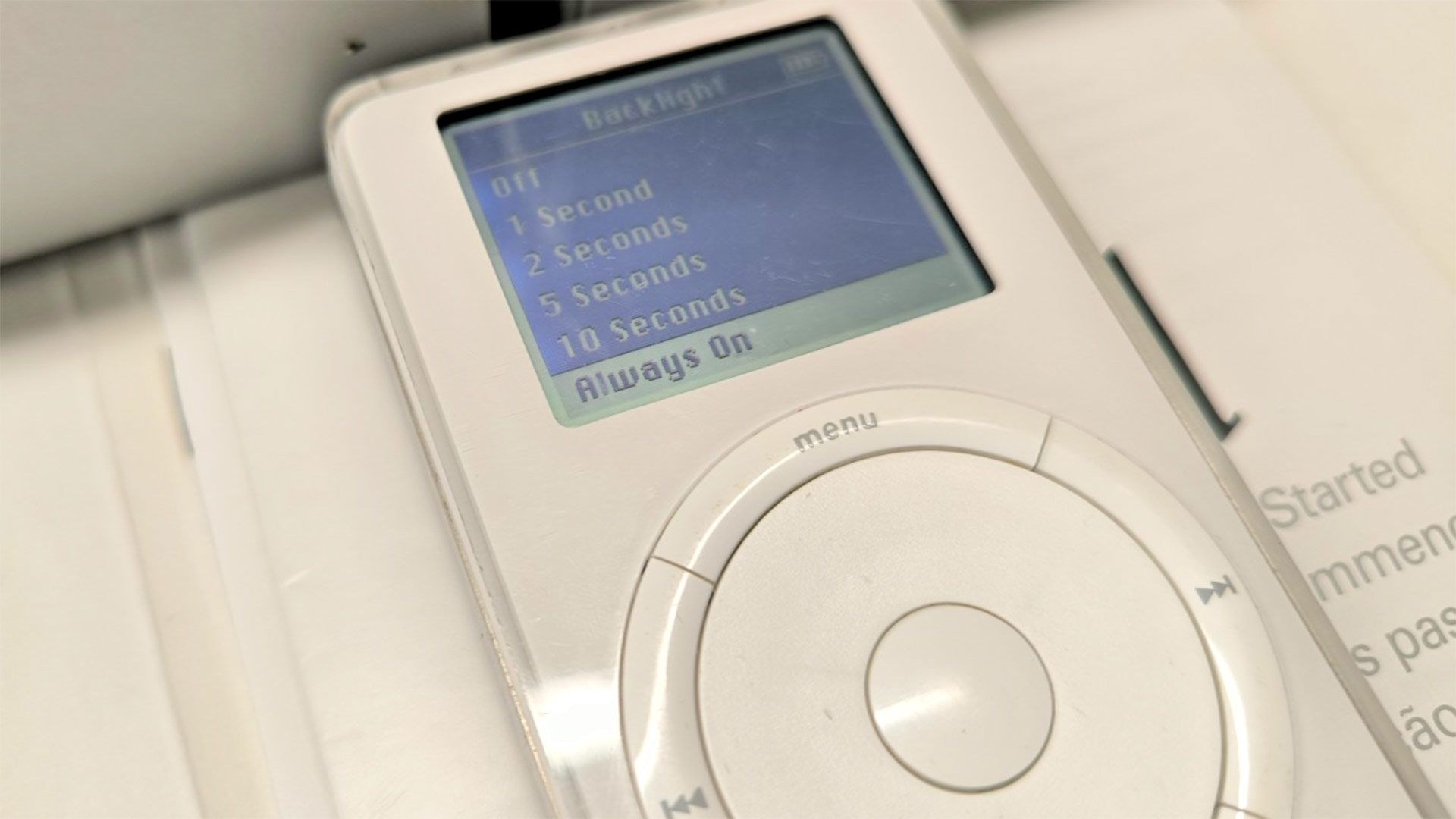
Jobs identified ultra-portability as the first key advantage. The device achieved this through Toshiba's then-newest 1.8-inch hard drive, measuring just 0.2 inches thick. The resulting iPod measured 2.4 by 4 by 0.78 inches and weighed 6.5 ounces, making it lighter than most cell phones. Despite its compact footprint, the device incorporated 20-minute skip protection, rapid file transfers, and a single FireWire 400 cable for both data transfer and charging. Jobs highlighted that the iPod was the first and only music player with FireWire, enabling entire CD transfers in five to 10 seconds compared to roughly five minutes via USB. Filling the complete 1,000-song library would require approximately 10 minutes over FireWire versus five hours over USB. A rechargeable lithium-polymer battery provided 10 hours of playback, with 80 percent charge achievable in one hour.
Design and Interface
The second breakthrough centered on industrial design. Jobs touted an amazing Apple design featuring minimal, durable construction and Apple's legendary ease of use. The interface employed a piezoelectric scroll wheel with tactile feedback, enabling single-handed operation and rapid navigation by playlist, artist, or song. During the stage demonstration, the first track played was 'Building a Mystery' by Sarah MacLachlan.
Software Integration
The third claimed advantage was the Auto-Sync feature connecting to iTunes digital music libraries. iTunes 2 launched the same day with capabilities including MP3 CD burning and synchronization support for the new device. The Auto-Sync function ensured that music collections organized and customized on a Mac would automatically update on the iPod whenever the user connected for charging or file transfer. The iPod additionally functioned as a FireWire external hard drive.
The Long Decline
The iPhone arrived more than five years later in early 2007, and both devices coexisted in Apple's product lineup for over a decade. The iPod's prominence gradually diminished as smartphones absorbed its functionality. The final model, the 7th-generation iPod Touch, shipped in May 2019. Though the product line received no further updates, Apple did not formally discontinue it until May 2022.