Atari VCS retro console reaches end of life as company shuts software store in 2027
The Linux-based AMD APU machine that Atari launched in 2021 will be officially discontinued when its software store closes next February, though users will retain access to local functionality.
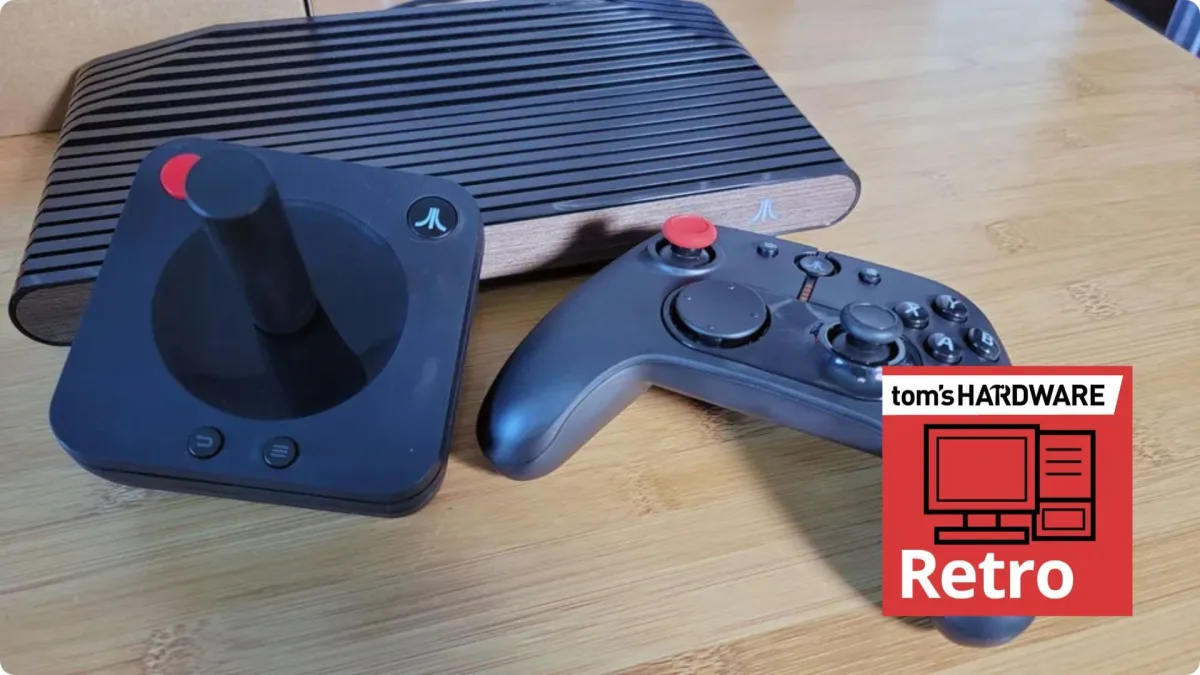
Atari has announced the formal retirement of its modern VCS console, a Linux-based device powered by an AMD APU that debuted in mid-2021. The company plans to close the machine's software store on February 1, 2027, marking the end of an era for the reimagined hybrid console-PC that attempted to blend retro gaming with contemporary computing. An October 21 announcement detailed the timeline and transition plan for existing owners.
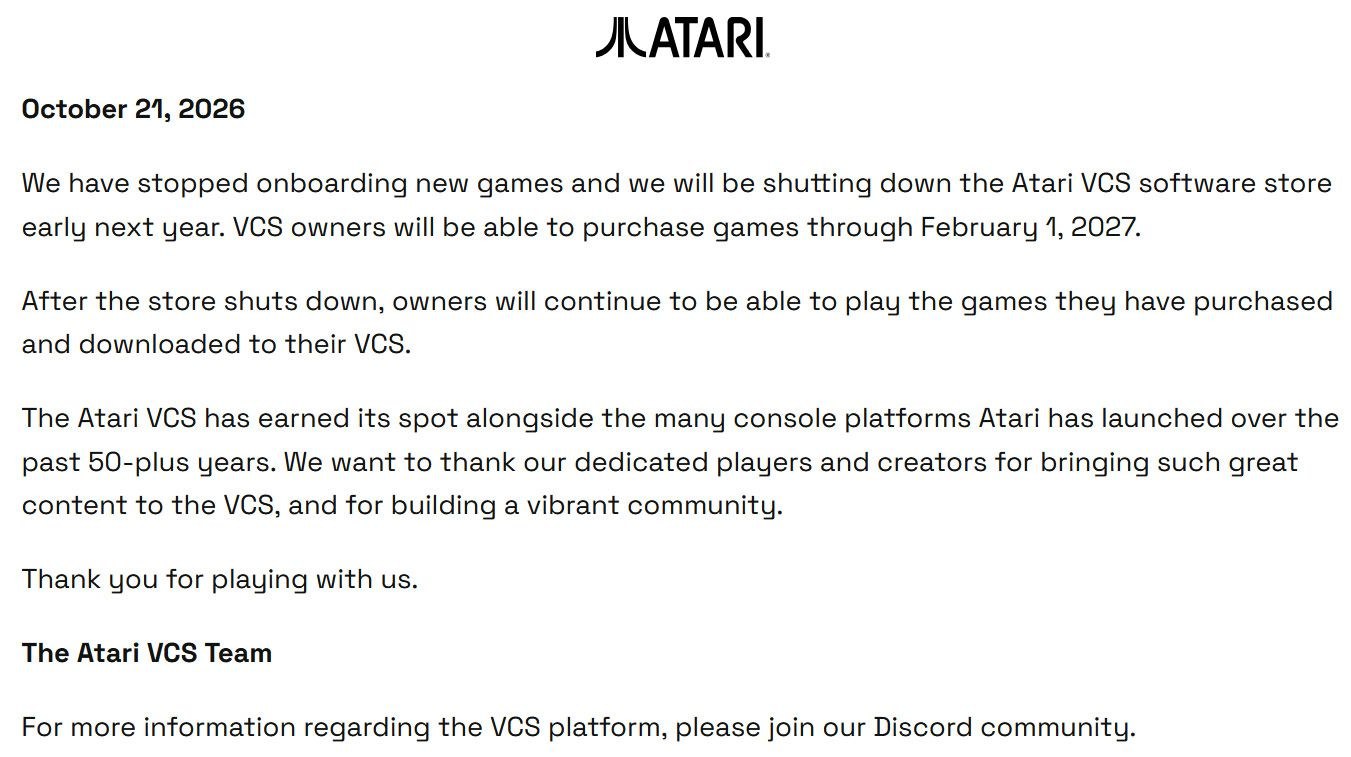
Users will have until January 31, 2027 to add software to their libraries through the official store before it shuts down. Following the closure, Atari intends to release an OS update that enables owners to "migrate all functionality to your local machine, removing any dependencies on Atari infrastructure for authentication and software," according to a statement from an Atari Club moderator. The company will distribute an Atari Homebrew App during this transition period, allowing players to independently build and install new games on their systems.
The VCS already featured a PC mode that gave users an alternative way to access content beyond Atari's curated ecosystem. Once the migration process concludes, Atari will end official platform support. The Homebrew App rollout aims to ensure that developers can continue creating applications for the VCS and share them directly with the community, even after Atari's infrastructure goes offline.
What was the Atari VCS (2021)?
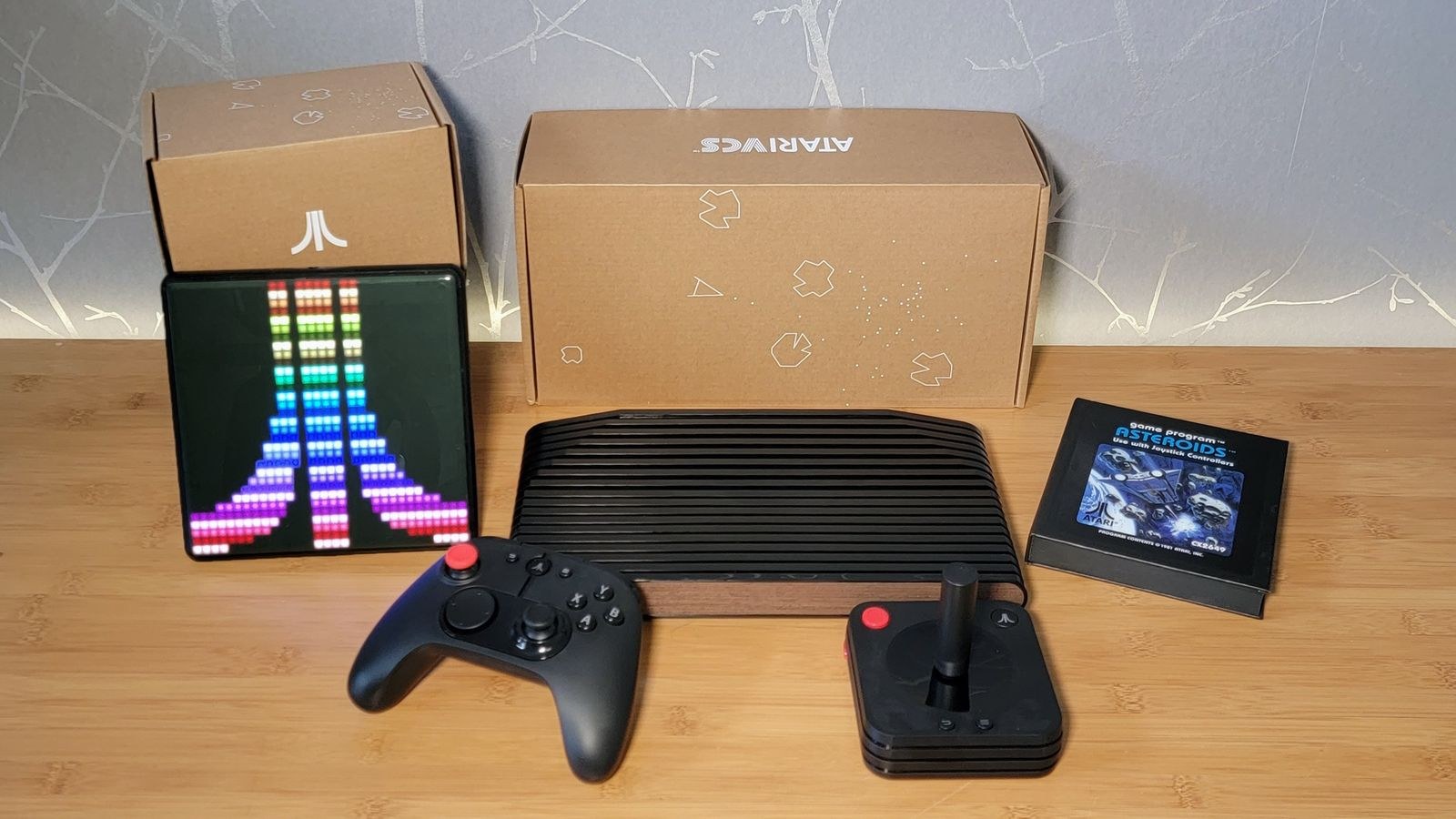
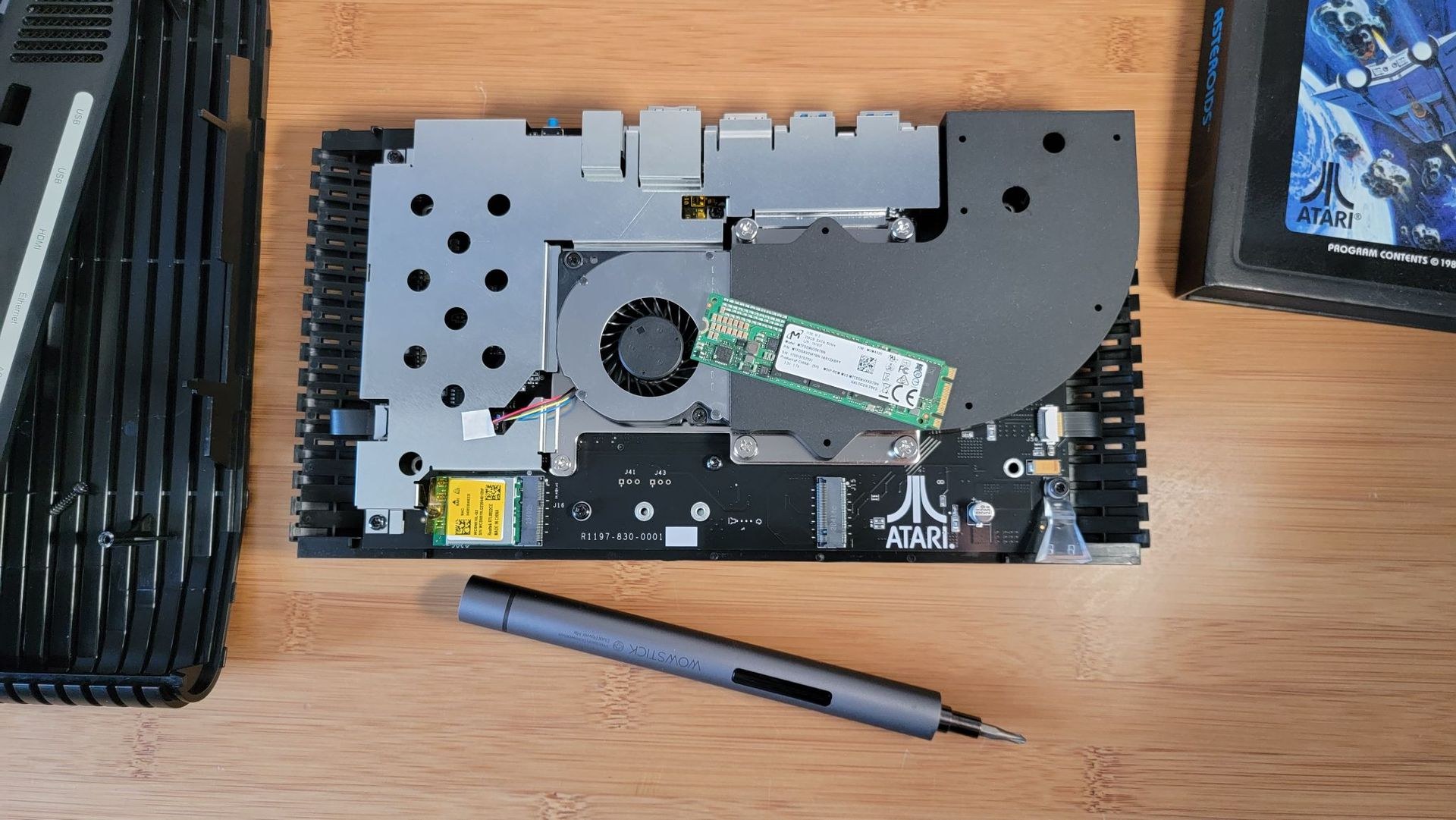
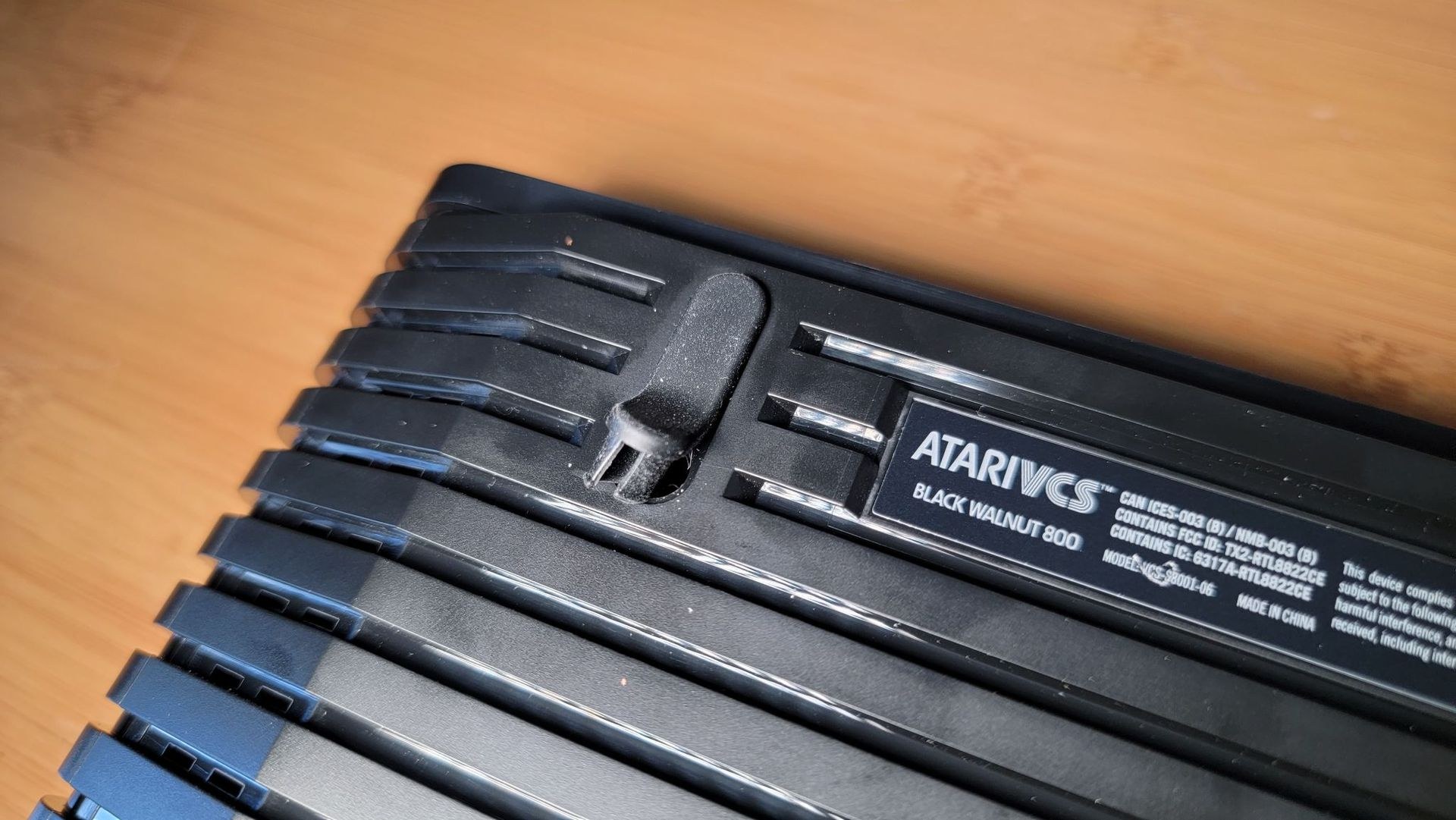
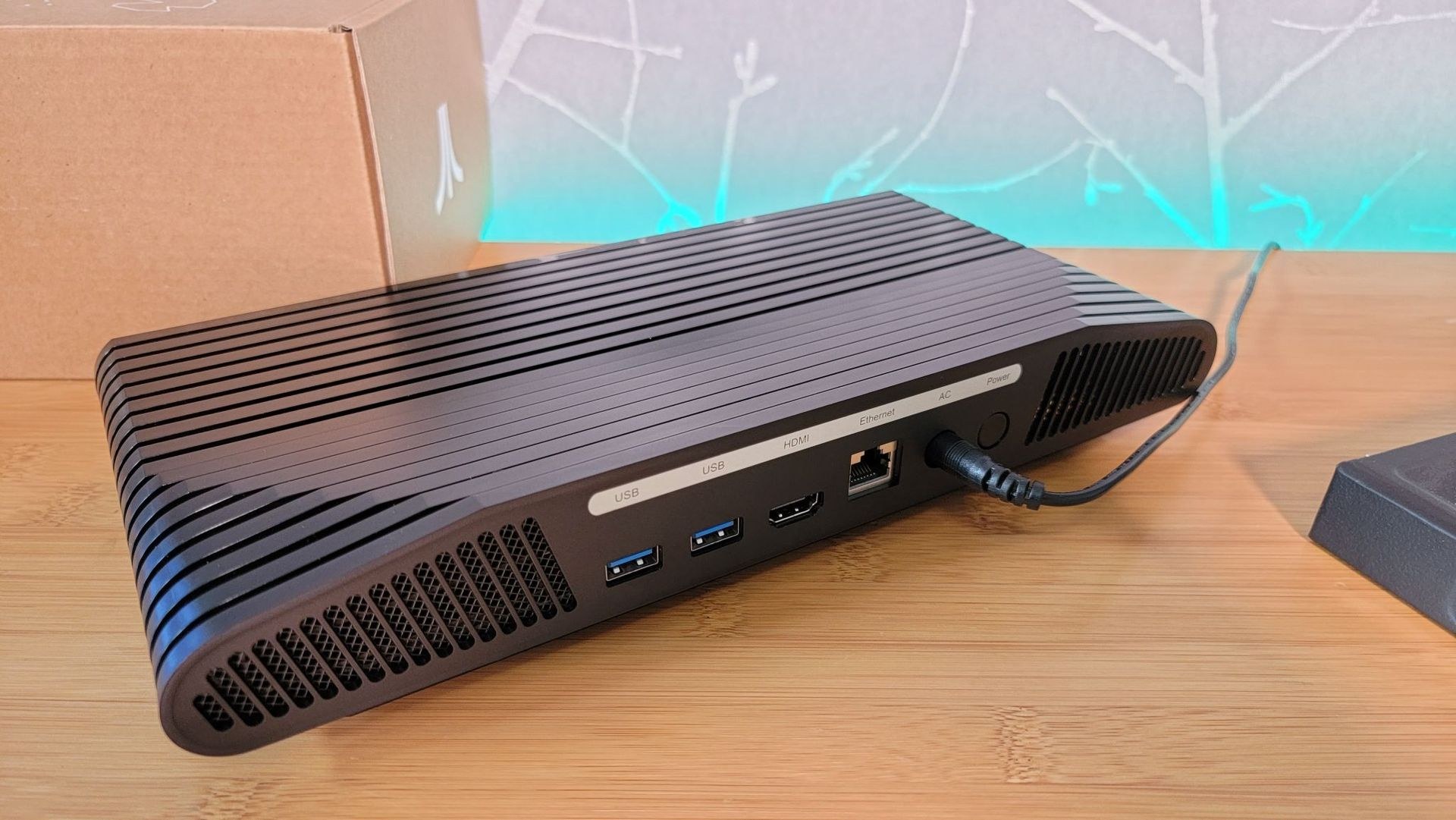
The modern VCS borrowed its distinctive chassis design from the iconic Atari 2600, the 1977 console originally branded as the Atari Video Computer System. Internally, however, the 2021 machine represented a substantial departure from its namesake. The device housed an AMD Ryzen Embedded R1606 APU featuring a 2-core, 4-thread CPU paired with a Vega 3 integrated GPU, accompanied by 8GB of DDR4 RAM and 32GB of eMMC storage. Both memory and storage proved upgradeable: the DDR4 could be expanded via SODIMM, and an M.2 SATA SSD slot provided additional capacity.
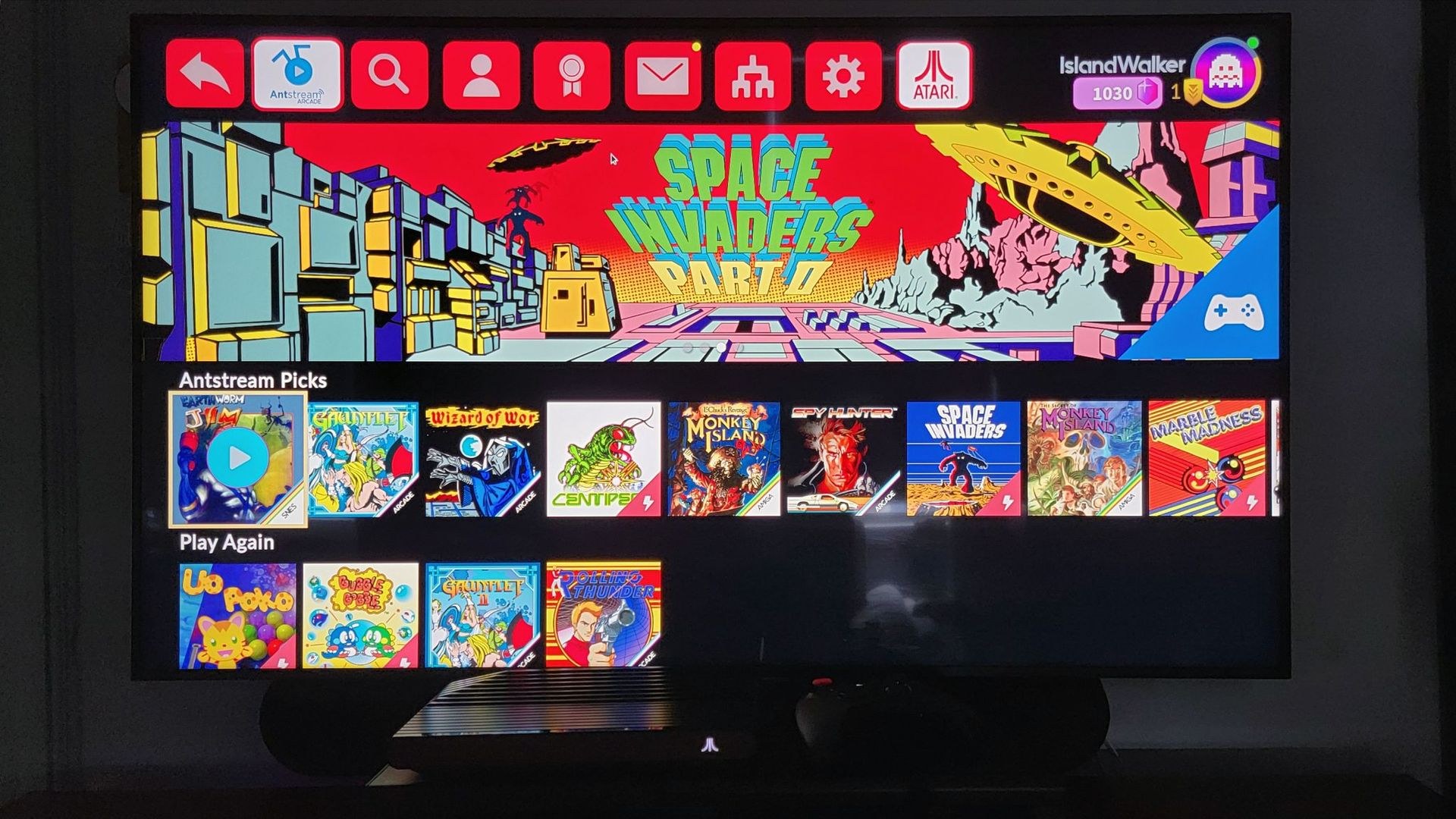
Connectivity options included Wi-Fi 802.11 b/g/n across 2.4 and 5 GHz bands, Bluetooth 4.0, HDMI 2.0, Gigabit Ethernet, and four USB 3.1 ports distributed between front and rear panels. The VCS shipped with Atari Custom Linux OS, a Debian-based operating system that provided a custom interface with access to 100 classic games, a retro-themed digital storefront, and popular streaming applications including Netflix, Disney+, and HBO Max. Despite shipping with this proprietary OS, the hardware could run mainstream operating systems such as Linux, Windows, or Chrome OS.
When reviewers examined the VCS in July 2021, following its general availability release, several shortcomings became apparent. The $399 price point, combined with the requirement for a separate keyboard and mouse to access streaming services, sluggish interface responsiveness, and an awkward PC mode implementation, created friction for potential buyers. An excessively loud cooling fan compounded these issues. The assessment concluded that consumers would find better value in budget-tier mini PCs or Raspberry Pi systems, which could be configured with custom retro gaming setups and preferred controllers. Even in 2026, despite semiconductor cost improvements, sub-$400 mini PC alternatives offer substantially more processing power and storage capacity than the VCS.