Study finds managers rewarding AI-dependent developers despite quality concerns
A new report on AI coding tool usage reveals that developers describe their relationship with these tools as addictive, with managers incentivizing the heaviest users even when code quality suffers.

Behavioral conditioning in software development
The AI Coding Addiction Report, based on responses from over 300 developers using tools at least weekly, examines how artificial intelligence coding assistants shape developer behavior. The findings suggest that AI tools function similarly to operant conditioning mechanisms studied in behavioral psychology—systems that use stimulus and reward cycles to influence behavior.
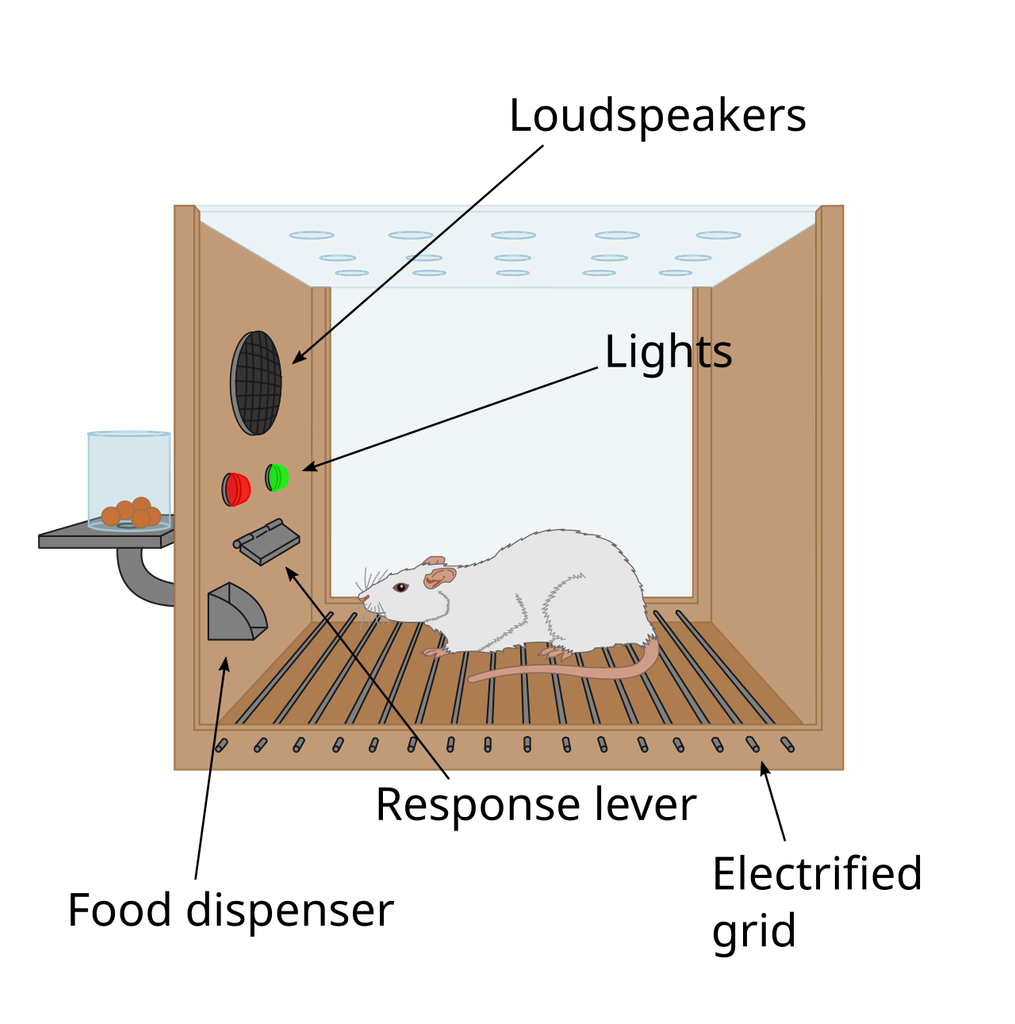
Behaviorism as a psychological framework emerged from Edward Thorndike's observations of animal learning and was formalized by B.F. Skinner through the "operant conditioning chamber," a device that manipulated animal responses through rewards and punishments. Modern applications of this principle appear in gamification strategies where managers structure incentives around measurable outputs. AI coding tools appear to operate on similar principles, with frequent feedback loops and immediate rewards for continued use.
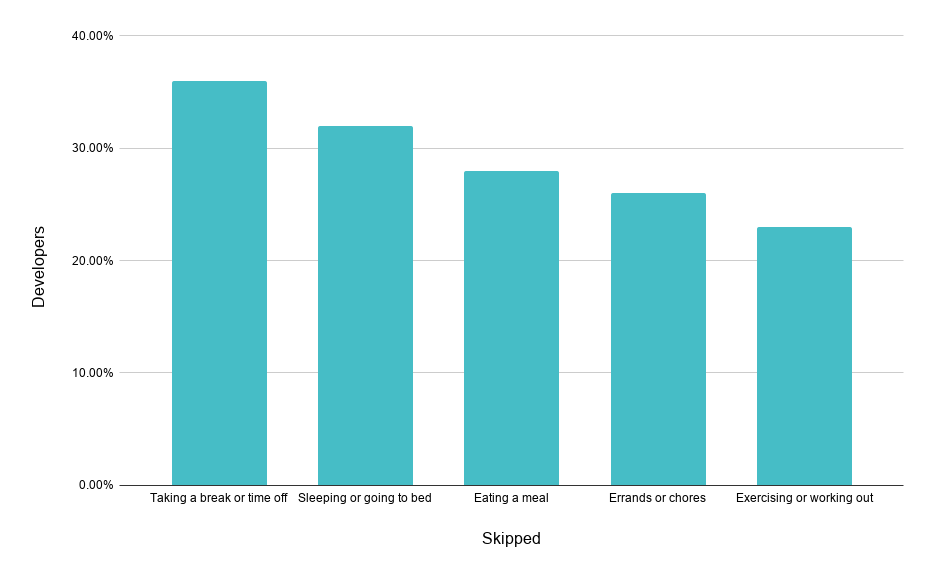
The report's findings suggest this dynamic is affecting developer behavior significantly. Forty-three percent of developers report difficulty disconnecting from AI coding sessions when their workday ends, unable to step away from the reward cycle. Across the surveyed population, 80% characterize their relationship with AI tools as "more like a dependence than an advantage." Developers report sacrificing breaks, meals, and sleep to continue coding sessions—a pattern more pronounced than with social media or gaming platforms typically labeled as addictive.
This raises fundamental questions about the source of claimed productivity gains from AI coding tools. How much improvement stems from genuine efficiency versus developers simply spending longer hours at their keyboards with fewer interruptions and less rest?
Tool-specific behavioral patterns
Different AI coding tools appear to produce varying levels of behavioral engagement. OpenAI Codex showed the highest rate of after-hours coding at 62%, while Google Gemini reached 45%, Claude Code 40%, and GitHub Copilot 36%. These differences suggest that specific design elements within each tool may intensify the stimulus-reward cycle characteristic of operant conditioning.
Understanding which particular features drive extended coding sessions could help organizations moderate the impact of these tools on developer wellbeing and rest periods. Senior developers face particular risk, as they are most likely to work extended hours. Organizations may find themselves with fatigued decision-makers in critical roles—a situation with serious organizational consequences.
Incentive structures rewarding problematic behavior
The report identifies a troubling pattern in how organizations reward AI tool usage. Developers with the heaviest AI adoption rates received raises and promotions more frequently than their peers. This occurred despite 71% of heavy AI users shipping code they did not fully understand.
Prior to widespread AI tool adoption, developers copying code from Stack Overflow were expected to comprehend and modify examples as part of their work. Current management practices appear to reward developers for volume and speed rather than comprehension. This creates pressure on other developers to either adopt similar practices or at least appear to do so, even when they prioritize code understanding.
Software quality ultimately depends on sound decision-making throughout development. Extended work hours and reduced rest diminish the quality of those decisions. Organizations optimizing for feature volume or hours worked rather than problem-solving effectiveness may be undermining their own long-term interests. The industry currently faces an excess of content and code; improving quality rather than increasing quantity would better serve user needs.