Retro gaming arrives on forgotten hardware: Super Mario 64 now runs on Microsoft's Zune HD
A developer has successfully ported the Nintendo 64 classic to the 2009 media player using an unofficial development kit, achieving near-full-speed performance with touch controls.
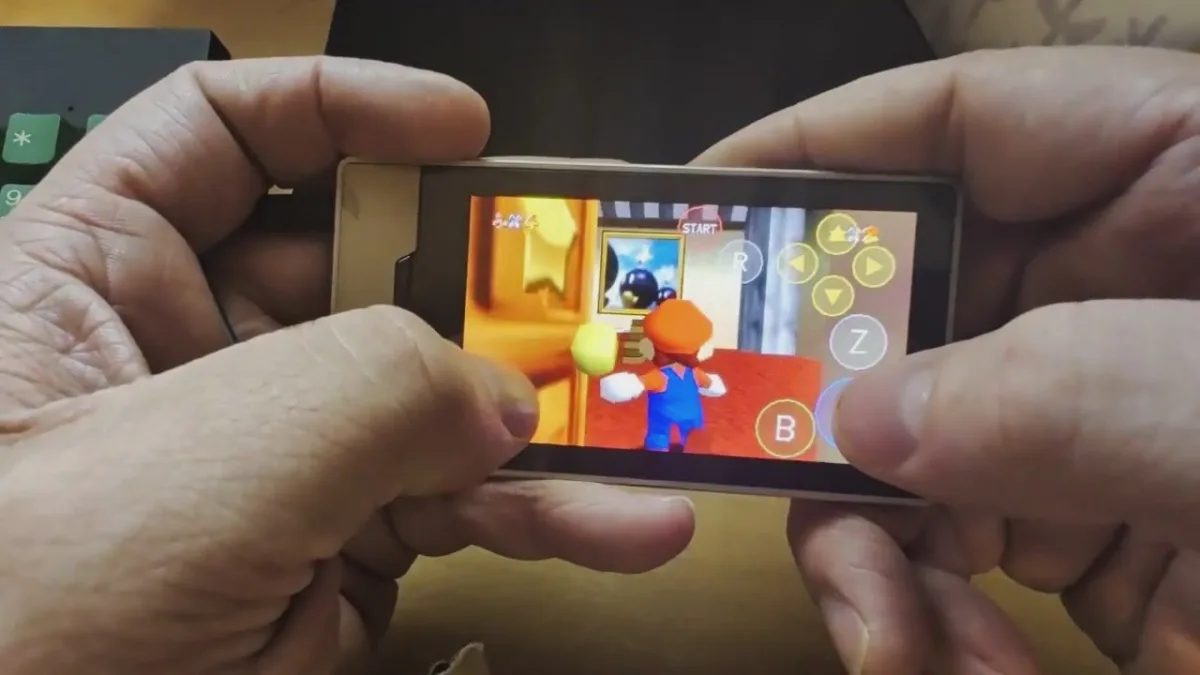
Microsoft's Zune HD, the short-lived media player from 2009 that competed with Apple's iPod line, has become an unlikely host for Nintendo's Super Mario 64. According to Hackaday, the port leverages the OpenZDK, an unofficial toolkit that enables native execution on the device's hardware. The implementation overlays a touchscreen controller interface atop the game's video feed, and the project achieves playable performance with audio and input support, though users must supply their own ROM file extracted from an original cartridge.
The technical foundation rests on Nvidia's Tegra processor, which powered the Zune HD's multimedia capabilities. The port builds upon sm64ex, a community-maintained fork derived from an unofficial, reverse-engineered version of Super Mario 64 for personal computers. The developer's repository indicates the game "plays (mostly) at full speed with sound, touch controls and saves."
The Zune HD itself was a premium device when launched. Microsoft's original marketing emphasized its "3.3-inch glass screen" featuring OLED and touchscreen technology, with the Nvidia Tegra processor delivering what the company called "multimedia muscle." The player shipped in 2009 with pricing between $219.99 and $289.99 depending on storage capacity, and used the Nvidia Tegra APX 2600 chip. Its operating system ran on Windows CE, with third-party games distributed through Microsoft's XNA framework.
The Zune line proved short-lived, with Microsoft discontinuing production in 2011. However, an exploit discovered in the hardware eventually led to the development of OpenZDK, which opened the door to homebrew applications and projects like this Super Mario 64 port.