Oracle Introduces APEXlang to Govern Machine-Generated Code as AI Takes Over Development
With AI-authored code poised to dominate software development, Oracle is rolling out a new abstracted language designed to make machine-generated applications maintainable and understandable by human teams.
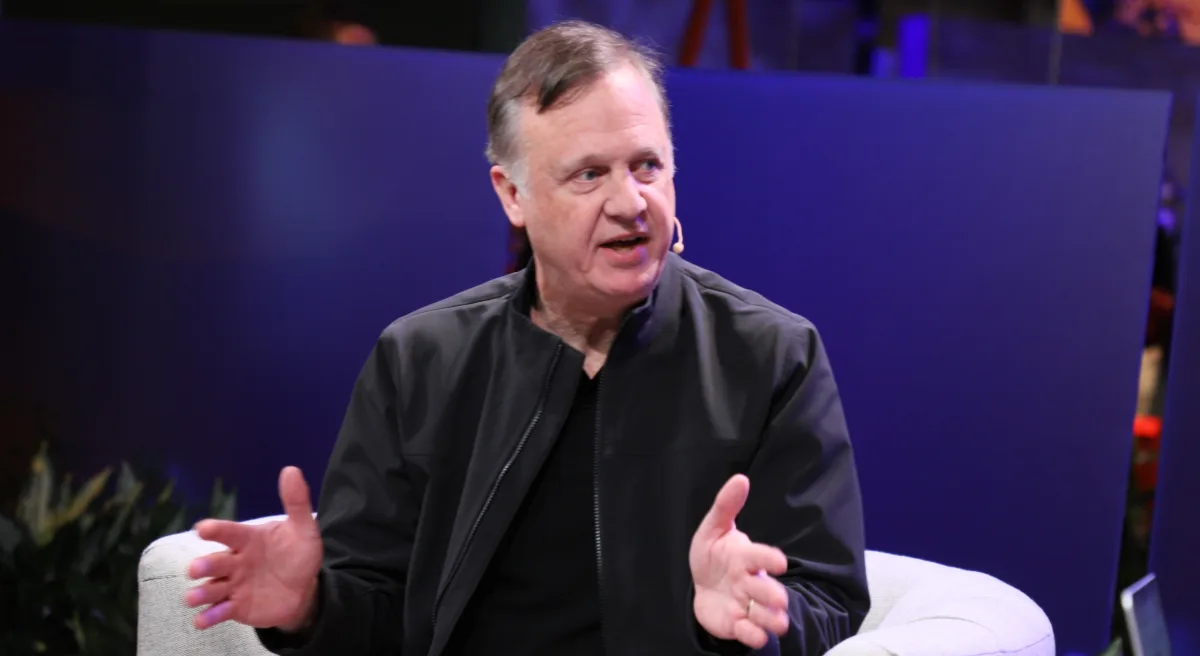
The shift toward artificial intelligence writing code presents enterprises with an unexpected challenge: the software that machines produce still requires human oversight, maintenance and comprehension. Low-code platforms emerged to accelerate how applications get built, but artificial intelligence is fundamentally reshaping that purpose. Oracle Corp. has unveiled its strategy ahead of its annual conference, with the transformation already underway, according to Mike Hichwa, the company's senior vice president of software engineering.
In 2025, the majority of code was human-authored, and in 2026 and forever afterwards, the majority of code is going to be machine-generated. We're probably not going back. What we've done to address this change is we invented our own language. We call it APEXlang.
Mike Hichwa, senior vice president of software engineering at Oracle
Hichwa shared these remarks during a conversation with theCUBE Research's Dave Vellante at Oracle AI World, in an exclusive segment broadcast through theCUBE, the livestreaming platform operated by SiliconANGLE Media. The discussion centered on how enterprises can maintain and oversee code created by artificial intelligence systems.
Vibe coding meets enterprise governance
APEXlang functions as a highly abstracted application definition language that documents what a system should accomplish rather than how it accomplishes it. Oracle debuted the language alongside the APEX AI Application Generator and is making its grammar, capabilities and reference materials available publicly so that coding agents including Anthropic PBC's Claude and OpenAI Group PBC's Codex can produce it. Oracle is also partnering with OpenAI to refine models that generate the language with greater precision, Hichwa noted.
What you're generating actually matters, because once you generate it, and you generate it 100 times or 1,000 times within your enterprise, then you're going to need to maintain it. You're going to need to look after it. What people want with their portfolio of applications, they want consistency, they want governance, they want ease of understanding.
Mike Hichwa
Governance also emerges from the runtime layer. The APEX engine interprets the generated APEXlang code and receives monthly patches and updates from Oracle, eliminating the need for customers to modify their own implementations. This architecture also helps prevent the proliferation of poor-quality generated code, since a concise definition proves simpler to review than extensive machine-written source, Hichwa explained.
https://www.youtube.com/embed/d9tJerqIOuA?feature=oembed
What we're generating is much, much smaller, much more human understandable, so it is less sloppy because it is more abstracted. It's like a CliffsNotes. It's not the full book.
Mike Hichwa