Developer releases VBIOS modifier for Nvidia GPUs that sidesteps risky flashing
A new tool lets users reconfigure graphics card firmware settings through GPU memory instead of rewriting the flash chip, eliminating the danger of permanently braking the hardware.
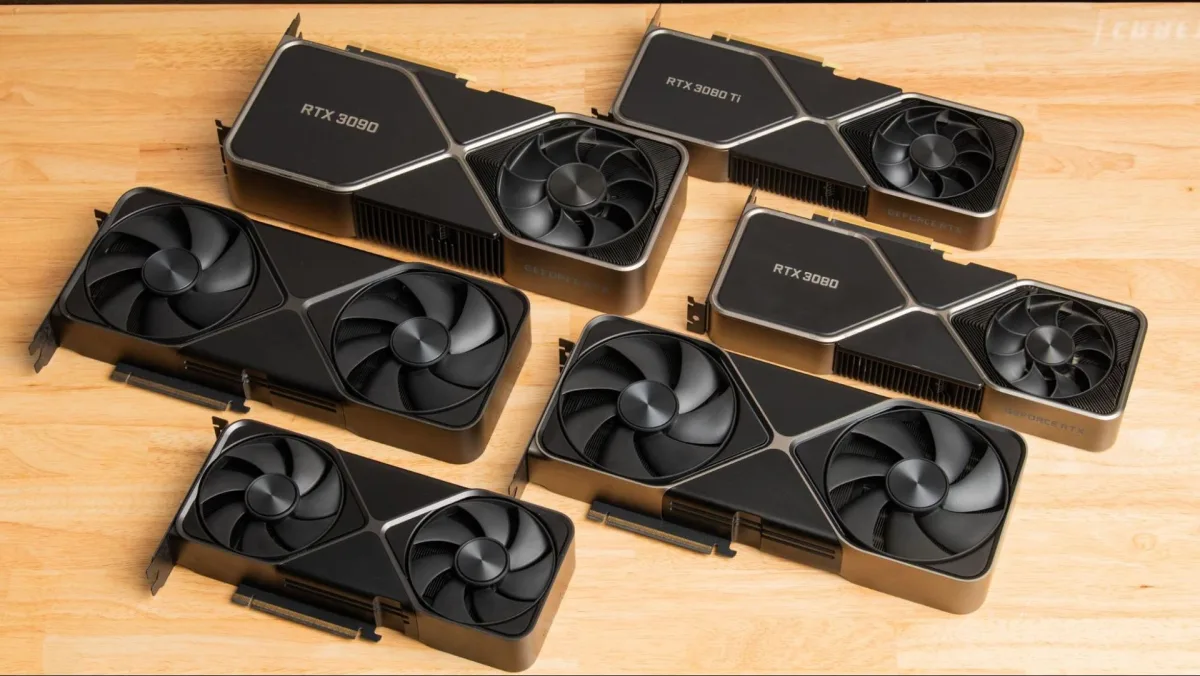
Panchovix has unveiled a VBIOS configurator on GitHub designed for RTX 30-to-50-series graphics cards that avoids the traditional flashing process entirely. The utility delivers a graphical interface for straightforward adjustments and substantially reduces the risk of hardware failure by circumventing the dangerous flash operation. The software runs on Linux as well as Windows.
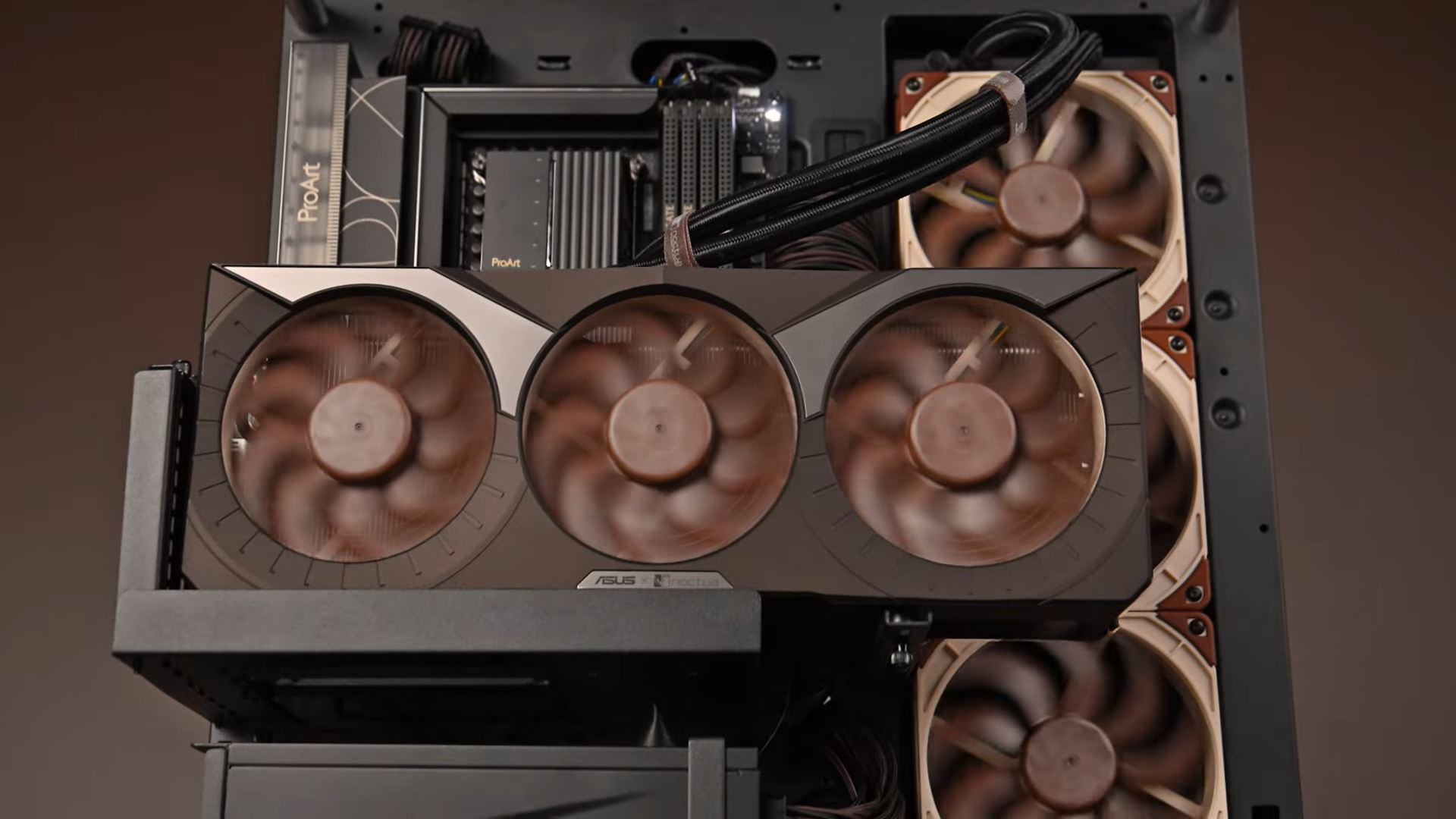
Overclocking utilities such as MSI Afterburner and ASUS GPU Tweak remain popular choices for rapid tweaks to graphics card behavior, yet they impose strict boundaries on how far users can push their hardware. Modifying the VBIOS directly allows enthusiasts to exceed those firmware-imposed ceilings and unlock deeper customization. The process resembles adjusting BIOS parameters in a computer's boot menu. Through Panchovix's configurator, users gain access to settings normally locked behind the firmware's restrictions.
The mechanism operates by storing the reconfigured VBIOS image in the GPU's register key rather than the physical flash memory. Upon driver initialization, Nvidia's software detects the VBIOS override stored in the register, applies it, and restarts the system with the new settings active. Since the flash chip on the card remains untouched, the likelihood of rendering the GPU inoperable drops significantly. The tool does not shield against catastrophic hardware damage from extreme configurations, but it does provide a safer and more user-friendly method for applying VBIOS adjustments. Users can also revert to factory defaults if instability emerges.
A bricked flash chip, while inconvenient, is not necessarily permanent. Provided a backup of the original VBIOS exists, users can acquire an SPI flash chip programmer or construct one using an affordable Raspberry Pi Pico or compatible clone. In some instances, the chip may not even require removal from the board. The procedure remains laborious and time-consuming, making the ability to bypass the flashing step altogether considerably more appealing.
Prospective users should approach this tool with caution unless they possess expertise in power delivery systems, voltage regulation, and the extensive testing such modifications demand. A safer approach involves first validating fan curve adjustments and other tweaks through conventional software like MSI Afterburner before applying them permanently through this configurator. Once configured, the tool establishes new baseline settings that persist across every startup, provided Nvidia maintains the registry key that enables the VBIOS override mechanism.