A Quarter-Century On: Windows XP's October 2001 Debut Reshaped Consumer Computing
Microsoft's Windows XP arrived in retail stores 25 years ago today, arriving with a $500 million marketing blitz and a modernized operating system that would dominate for over a decade.
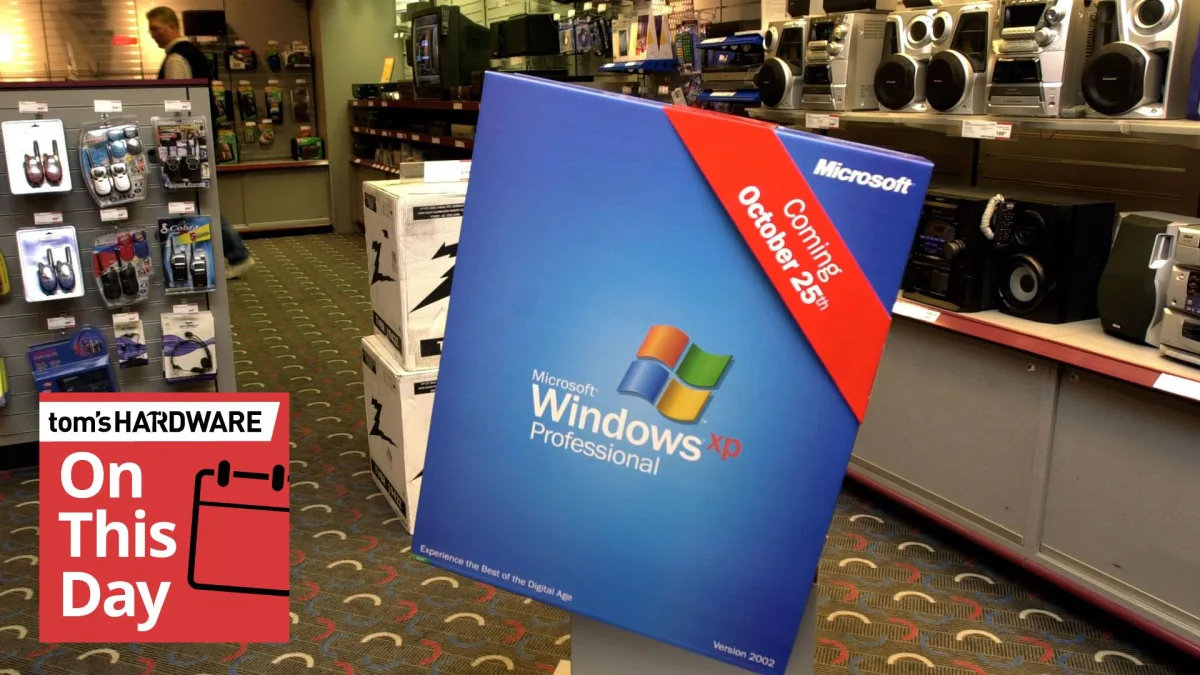
On this date in 2001, Windows XP hit store shelves for the first time, accompanied by what stood as Microsoft's most ambitious promotional push since the Windows 95 rollout. The significance lay not merely in the marketing spectacle, but in the operating system itself: XP introduced contemporary architecture and capabilities that resonated with users. The platform would maintain strong appeal for nearly 13 years among the tech-savvy community, a longevity that some observers attribute partly to the poor reception of its successor, Vista.
Microsoft had allocated $500 million for the Windows XP launch campaign, with a major event in New York City serving as its focal point. The festivities, however, carried a more subdued tone than originally envisioned, given the circumstances following 9/11. The company scrapped its initial tagline, 'Prepare to Fly,' in favor of 'Yes You Can,' a more appropriate message for the moment.
The New York event still commanded significant attention, with then-Mayor Rudy Giuliani sharing the stage with Bill Gates. Gates used the occasion to convey an optimistic message: "New York is back and open for business." The festivities extended beyond the formal presentation, with a complimentary concert by Sting in Bryant Park and a promotional takeover of Times Square. At the stroke of midnight, retailers including CompUSA, Circuit City, and Best Buy unlocked their doors to allow customers to purchase Windows XP immediately upon release.
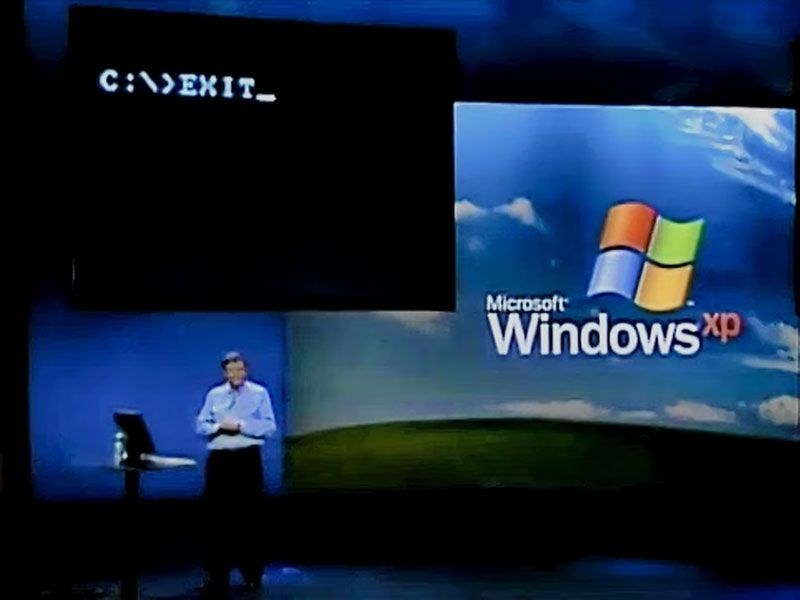
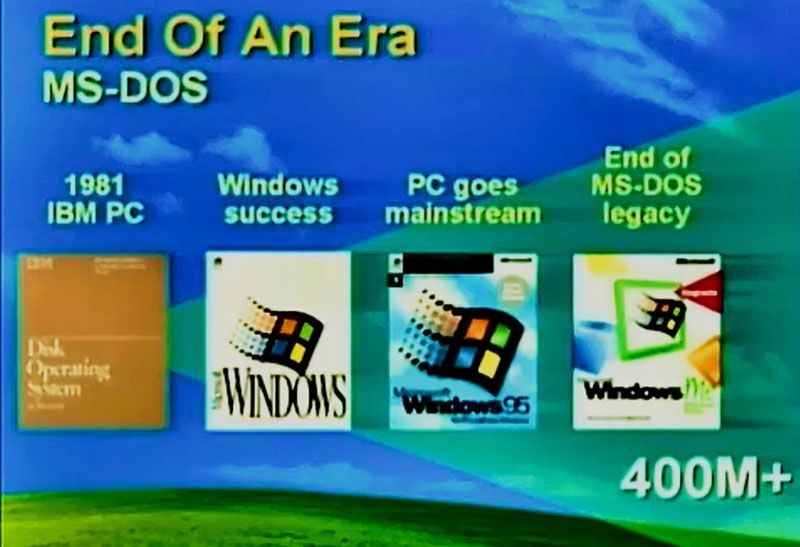
During his presentation, Gates emphasized that Windows XP marked the conclusion of the MS-DOS era, which had served as the foundation for the Windows interface and shell across consumer systems through the widely criticized Windows Me.
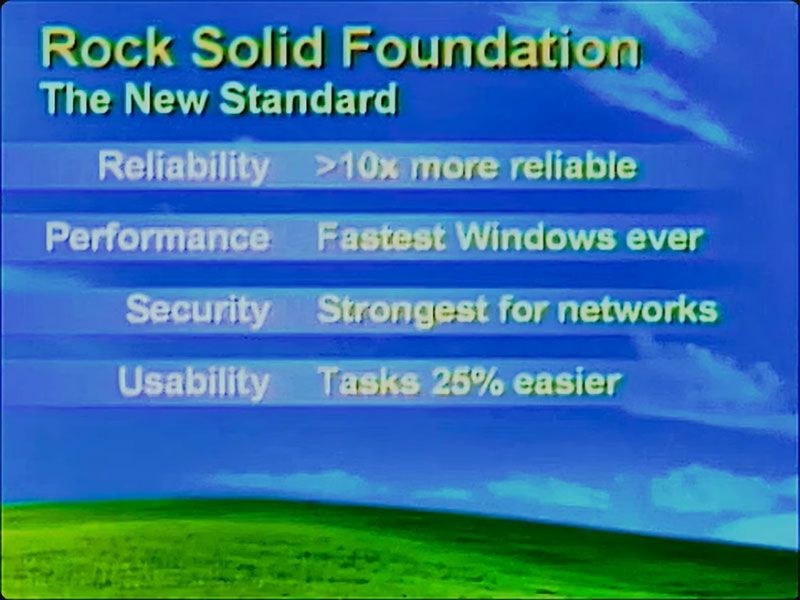
Windows XP functioned as a transformative inflection point for the platform. The system incorporated the Windows NT kernel into consumer-grade machines, displacing the aging DOS architecture along with its inherent constraints and driver complications. This shift enabled Windows XP to earn recognition for dependability, speed, and protection against threats, despite some initial stability issues. The redesigned interface was marketed as streamlining common operations by 25 percent.
Several technical innovations in XP gained widespread appreciation among users. These included functional USB plug-and-play connectivity, integrated CD authoring tools, and ClearType rendering technology, which proved particularly valuable as flat-panel displays began replacing cathode-ray tube monitors in offices and homes.
Throughout its official support window from October 2001 through April 2014, Windows XP received three significant Service Pack updates. The platform also witnessed DirectX evolve from version 8.1 to 9.0c, benefiting the gaming community. In the interim, Windows Vista launched to consumers in January 2007, but failed to gain traction. Extended support for Windows XP allowed many users to bypass Vista entirely, waiting instead for Windows 7's arrival in retail channels and on new systems in October 2009.
Notably, Windows XP's total lifespan exceeded that of Windows 10 by more than two years, despite Windows 10 being promoted as "the last version of Windows" when it debuted.