Sleep Tracker Firms Train AI on Brain Data Without Clear User Disclosure
Wearable headband makers are repurposing electroencephalography recordings collected from customers into training datasets for artificial intelligence models, often without explicit notification in privacy policies.
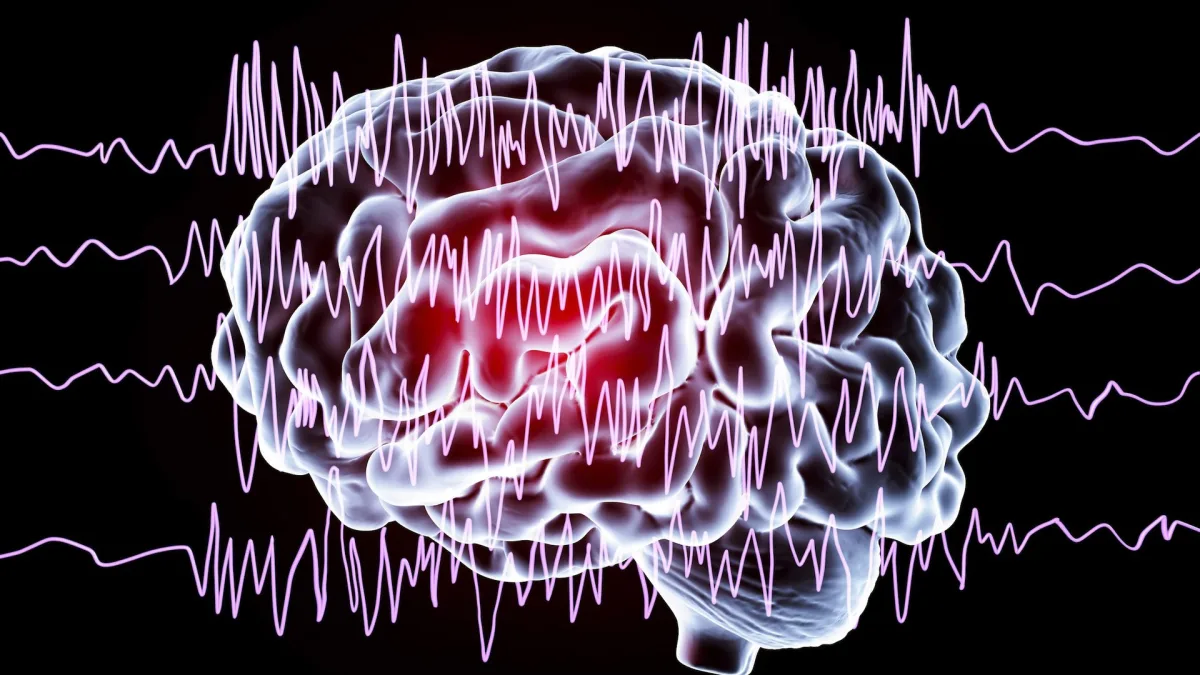
The electrical signals emanating from users' brains during sleep are becoming raw material for machine learning. Wearable headband manufacturers market their devices as tools for monitoring rest quality and identifying sleep pattern shifts, yet several are simultaneously converting the neurological data they collect into fuel for developing AI systems. An investigation by Science magazine, conducted in partnership with the Pulitzer Center's AI Accountability Network, revealed that neurology-focused companies have stockpiled tens of millions of hours of electroencephalography (EEG) recordings—essentially digitized brain-wave information. The probe uncovered that multiple firms are leveraging these datasets to construct brain foundation models, frequently without initially disclosing this practice in their user-facing privacy documentation.
Interaxon, a Toronto-based company, exemplifies this pattern. The firm manufactures the Muse sleep and meditation headband, which tracks brain electrical activity alongside other bodily metrics during sleep. Users receive personalized reports derived from these measurements that enable them to monitor sleep quality and detect shifts in their rest patterns. Yet the company has found additional value in the collected information. Interaxon has already constructed an AI model trained on approximately 50,000 hours of EEG data. The company states it strips away personally identifying markers—including usernames, email addresses, and physical addresses—before deploying the data for model development. According to Nadia Kumentas, Interaxon's Chief Marketing Officer, "We aim to use as much of that eligible corpus as possible."