Proton Shelters Flock Surveillance Map as Legal Pressure Mounts on Researcher
The privacy company is hosting a database mapping over 300,000 license plate readers, defying cease-and-desist orders aimed at the security researcher who built it from leaked data.
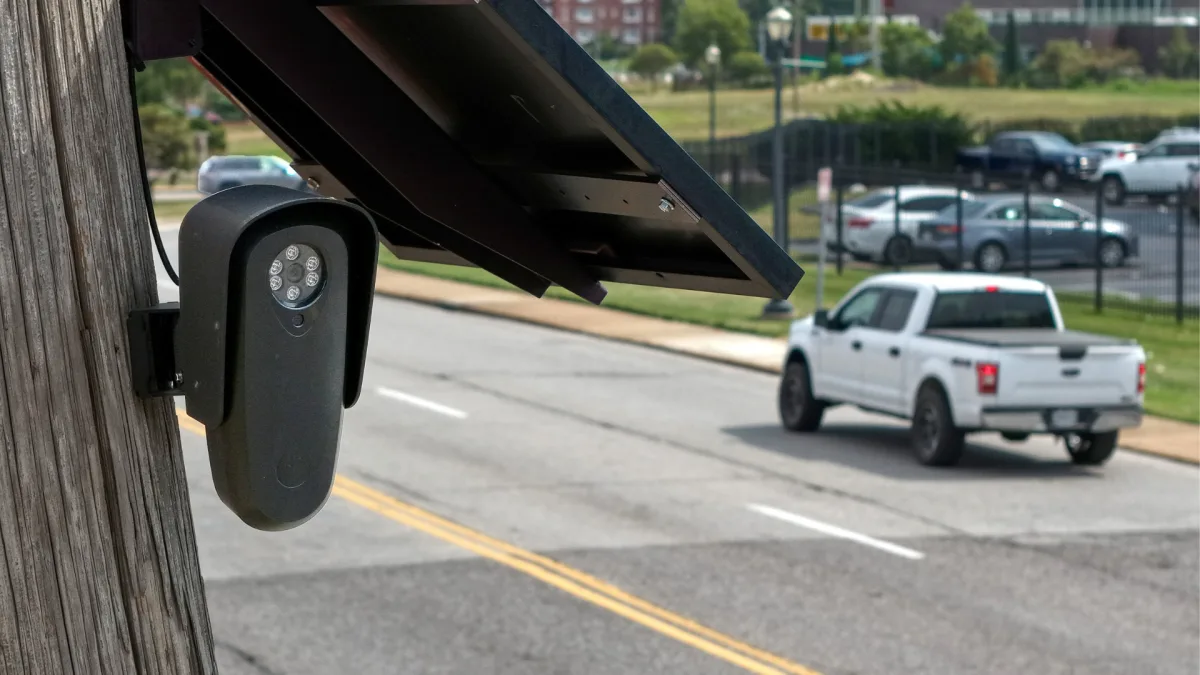
Proton AG, operator of encrypted email and VPN services focused on user privacy, has taken on hosting duties for a controversial map of Flock surveillance cameras that researcher Joshua Michael created using confidential company information. The original version remains online, but Michael faces mounting legal pressure from Flock, including a formal cease-and-desist notice, and his site is geographically restricted to U.S. visitors only.
Proton's version of the map operates without such restrictions, accessible to users worldwide. The Swiss jurisdiction where Proton operates presents additional complications for Flock's legal enforcement efforts. The company's decision aligns with its stated commitment to privacy protection and transparency.
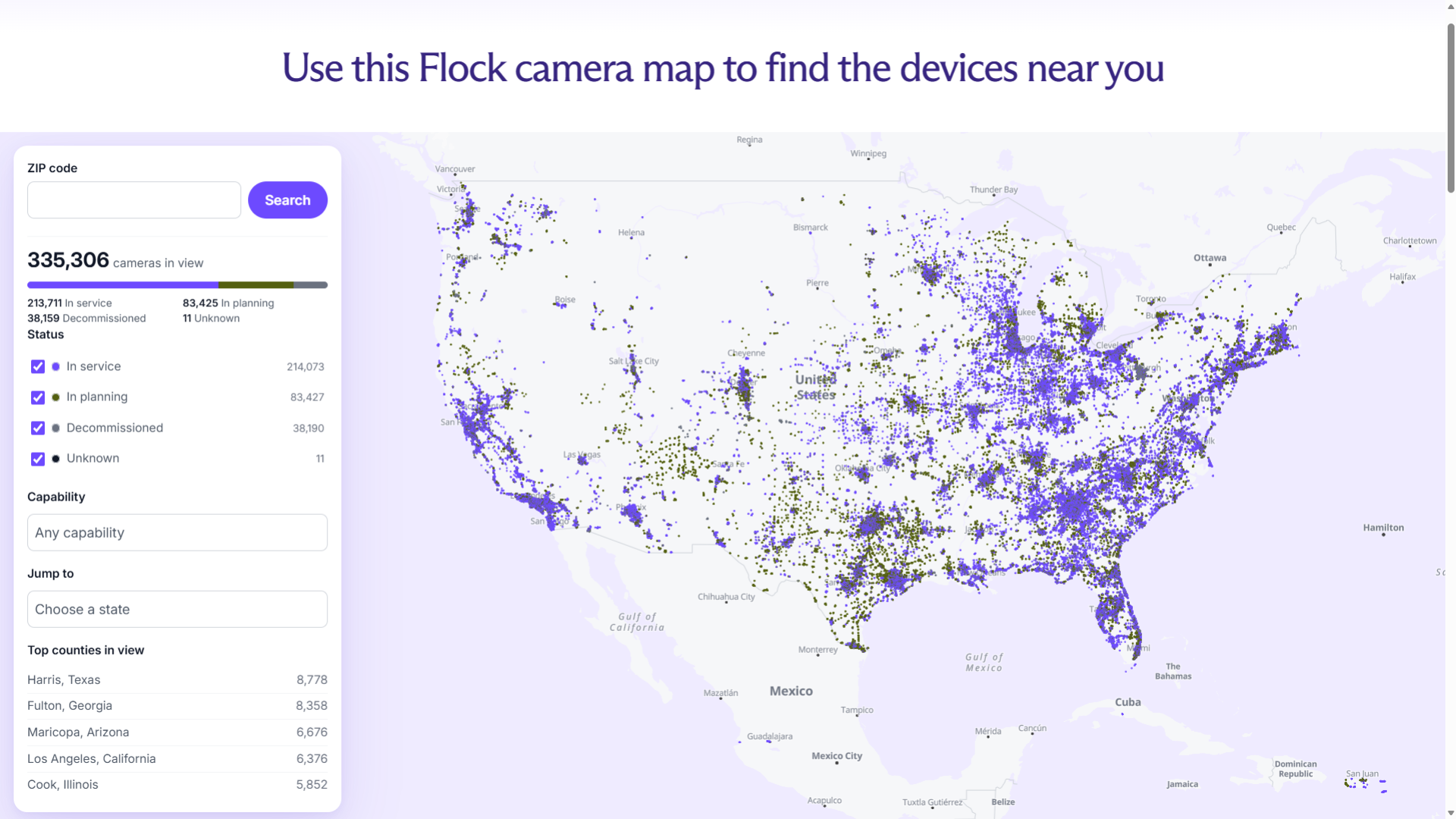
You have a right to know who's recording you when you leave home, especially when a private company controls the data and it's unclear how law enforcement uses that information. This map lets you search by ZIP code to see where Flock's license plate readers are located. Use it [to] make informed decisions about how you move through your own area and whether you need to reach out to your municipal leaders.
Proton AG
Automatic license plate recognition (ALPR) technology has become a flashpoint in ongoing disputes between law enforcement agencies and privacy advocates. Police departments contend these systems enhance public safety, while critics raise concerns about potential abuse. Such worries have proven justified—documented incidents include officers using Flock cameras to monitor romantic partners and at least one case where mistaken identity resulted from procedural failures by police.
One significant limitation affects Proton's map: the underlying dataset originates from November 2025, making it a static representation rather than a real-time tracking tool. Those seeking current information on ALPR camera locations may prefer MapQuest, which recently published an updated database showing Flock and competing vendors' camera placements. Such resources can assist travelers concerned about surveillance exposure in planning routes to minimize detection.