Meta Terminates Sama Contract After Workers Expose Private Ray-Ban Footage
Meta ended its relationship with Kenyan contractor Sama less than two months after reports surfaced that workers had viewed intimate content captured by Ray-Ban Meta smart glasses.
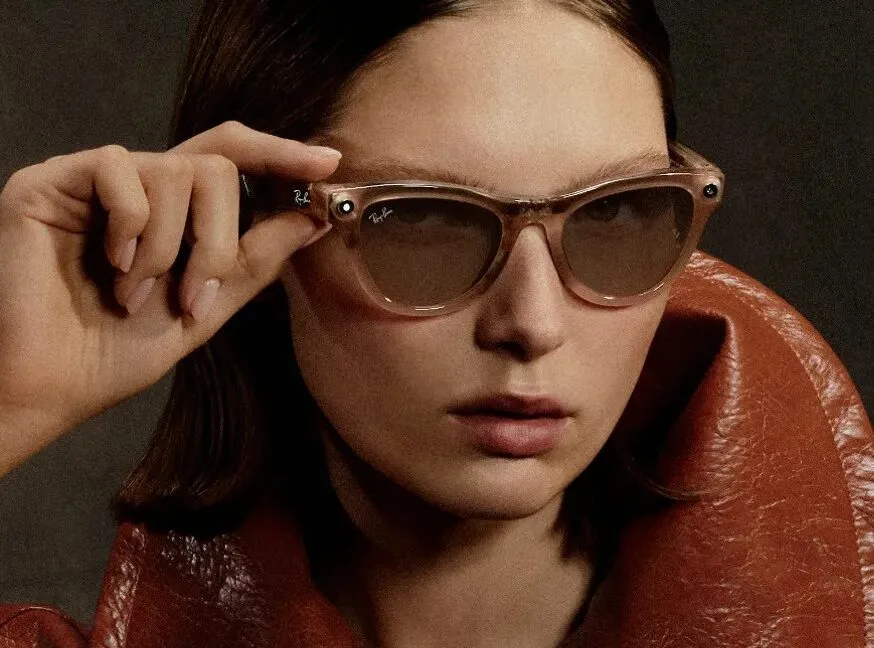
In February, staff employed by Sama, a Kenya-based firm hired by Meta to annotate data for Ray-Ban Meta smart glasses, disclosed that they had encountered intimate, private, and disturbing video content recorded through the devices. Meta subsequently severed ties with the contractor roughly two months later.
According to reporting from the BBC, Meta terminated its arrangement with Sama shortly after Swedish outlets Svenska Dagbladet and Göteborgs-Posten, along with freelance journalist Naipanoi Lepapa, published accounts from Sama workers describing their exposure to explicit material shot on Ray-Ban Metas. Sama, which Meta had engaged to handle data annotation tasks including video, image, and speech processing for the company's artificial intelligence systems, reported that the contract cancellation affected 1,108 workers.
Meta's statement to the BBC indicated that the company "decided to end our work with Sama because they don't meet our standards." However, Sama disputed this characterization, asserting through a statement to the BBC that it had never been informed of any performance deficiencies.
According to BBC's reporting, Sama workers attributed the contract termination to their public disclosures regarding footage depicting individuals undressing, engaging in sexual activity, and using bathrooms—all captured through Ray-Ban Meta devices. In a statement provided to Ars Technica, Sama responded:
We do not comment on specific client processes or decisions, however, we can confirm that the engagement with Meta is ending. Sama has consistently met the operational, security, and quality standards required across all of our client engagements, and we stand behind the integrity of our work. Our focus is on supporting our employees during this transition while continuing to deliver for our clients.
Sama
During the initial February coverage, an unnamed Sama worker stated, according to a machine translation, that employees "are just expected to carry out the work" regardless of what the footage contained.
Following the journalists' reports about workers encountering private footage apparently recorded without the knowledge of glasses owners, Meta halted its engagement with Sama. A Meta representative told the BBC: "Last month, we paused our work with Sama while we looked into these claims. We take them seriously. Photos and videos are private to users. Humans review AI content to improve product performance, for which we get clear user consent." The BBC noted that Meta has not addressed claims that it ended the relationship in retaliation for workers speaking publicly.
Ray-Ban Meta Faces Mounting Legal and Regulatory Pressure
In response to the February disclosures, Meta acknowledged that it occasionally provides content from glasses users to contractors for review purposes, describing this as necessary "for improving people's experience." The company maintained that such material undergoes privacy protections, including facial blurring in photographs.
Ray-Ban Meta glasses incorporate a light indicator when capturing photos or recording video. Nevertheless, Sama workers reported in February that numerous users appeared unaware their devices were actively recording. One anonymous employee stated, per a machine translation of the Swedish reporting: "People can record themselves in the wrong way and not even know what they are recording."
Following the Sama workers' revelations, Ray-Ban Meta has attracted heightened regulatory and legal scrutiny. In March, a class-action lawsuit was filed in the US District Court for the Northern District of California, San Francisco Division, naming Meta and Luxottica of America—a subsidiary of EssilorLuxottica, Ray-Ban's parent company—as defendants. The complaint alleges violations of state consumer protection statutes and seeks monetary damages, punitive awards, and a court order mandating Meta implement safeguards to "prevent or mitigate the risk of the consumer deception and violations of law."
That same month, the UK's Information Commissioner's Office announced it would contact Meta regarding the Sama workers' "concerning" reports. The regulatory body emphasized to the BBC that "devices processing personal data, including smart glasses, should put users in control and provide appropriate transparency," and added: "Service providers must clearly explain what data is collected and how it is used."
Kenya's Data Protection Commissioner's office announced in March that it was launching an investigation into "privacy concerns raised in relation to the Ray-Ban Meta glasses and the processing of personally identifiable information for the training of Meta AI."