Meta and Microsoft Use Confidentiality Pacts to Shield Billion-Dollar Wisconsin Data Center Plans
Four Wisconsin municipalities signed nondisclosure agreements with tech giants developing massive data centers, keeping details of multibillion-dollar projects hidden from the public during critical negotiations.
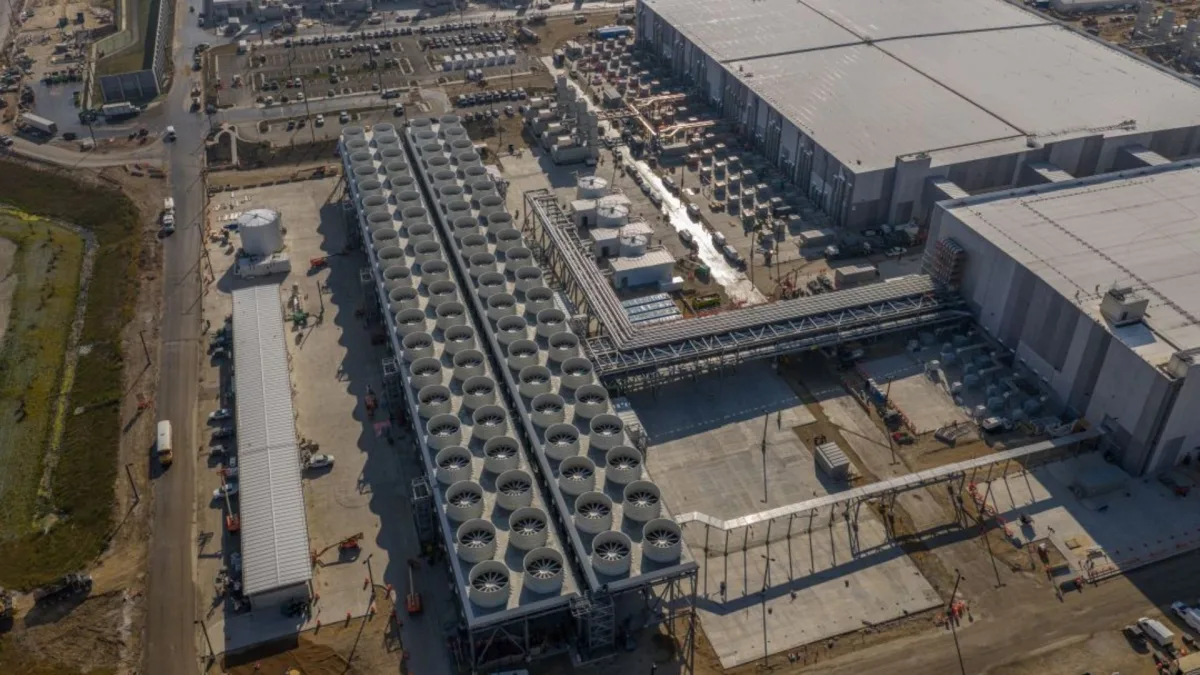
Wisconsin has emerged as a prime destination for data center development, with major technology companies leveraging confidentiality agreements to keep their projects under wraps. At least four towns in the state—Beaver Dam, Menomonie, Kenosha, and Janesville—entered into nondisclosure agreements with prospective data center operators, according to an investigation by Wisconsin Watch published this week. These pacts restricted what local officials could reveal about developments worth billions of dollars, limiting transparency on land use decisions and incentive negotiations even as communities faced significant infrastructure implications.
Meta stands behind one of the largest planned initiatives, a Beaver Dam project valued at over $1 billion. The company operated through a subsidiary called Degas LLC while negotiating with city leadership. Officials were contractually prohibited from naming Meta or discussing essential project details publicly until talks had substantially progressed, despite the undertaking's scale and its demands on local infrastructure.
Microsoft pursued a similar approach in Kenosha, signing an NDA in May 2024. The confidentiality agreement kept the company's identity secret for roughly half a year until media reports exposed the arrangement. Microsoft subsequently acquired 240 acres in an adjacent municipality, which Kenosha incorporated into its boundaries in December 2024.
The secrecy surrounding these deals gains particular significance given Wisconsin's exceptionally favorable data center tax incentives. The state's qualified data center program grants sales and use tax exemptions on equipment once state authorities certify a project. This exemption applies to servers, storage systems, networking equipment, racks, fiber and copper cabling, batteries, backup generators, and electricity consumed by the facility.
While confidentiality during early-stage development discussions is customary, the extent of secrecy in these instances raises concerns about public participation in decisions affecting entire communities. Power infrastructure is already facing strain as data centers proliferate nationwide, and several communities have mobilized against new facilities after experiencing dramatic increases in electricity costs.

Wisconsin Watch's reporting revealed that at least seven major data center projects were operational across the state before the investigation, with a combined estimated value of approximately $57 billion. However, a $12 billion project proposed by the Village of DeForest faced rejection as of January 27. The extent to which comparable confidentiality agreements may influence other pending projects remains uncertain at this stage.