Finnish authorities detain cargo ship Fitburg after fourth undersea cable rupture in Gulf of Finland
Special forces seized the vessel and its 14-member international crew following damage to an Estonia-Finland telecommunications link, the latest in a series of incidents affecting critical infrastructure in the region.
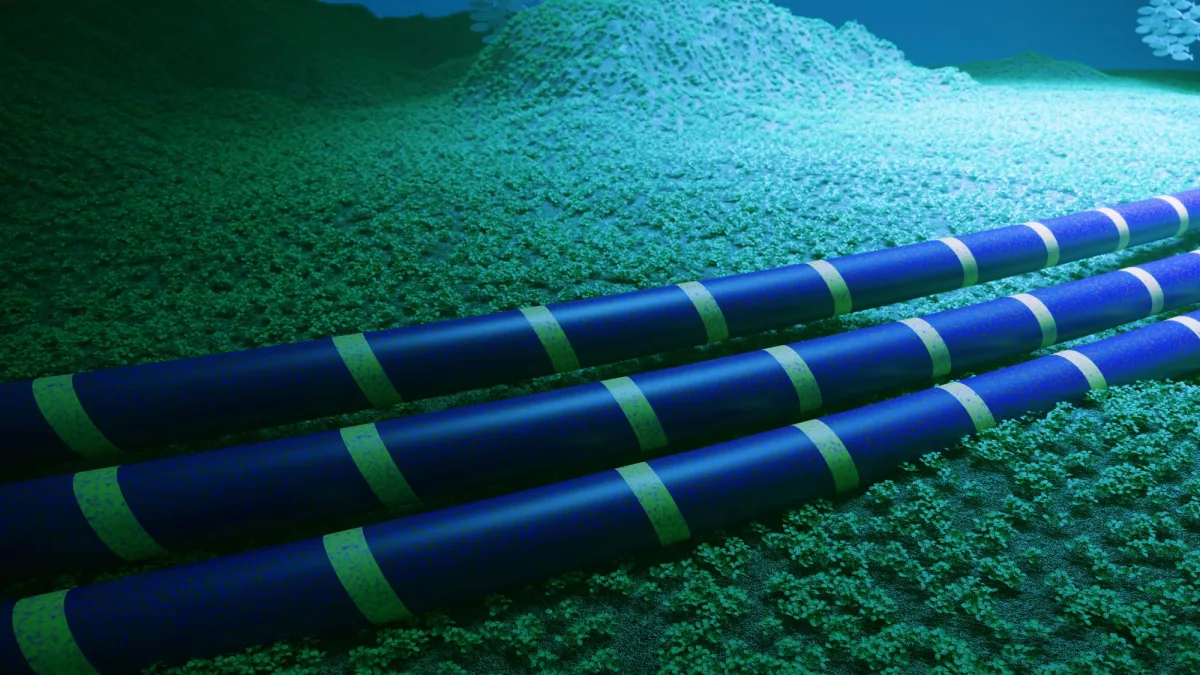
Critical undersea infrastructure in the Gulf of Finland has sustained four separate incidents over the past eighteen months. Early on a recent morning at approximately 5 a.m. local time, a telecommunications cable linking Estonia and Finland suffered damage—marking the fourth such occurrence within roughly 1.5 years. Finnish special forces moved to seize the cargo vessel Fitburg, taking into custody all 14 members of its crew. The detained personnel hailed from Russia, Georgia, Kazakhstan, and Azerbaijan, according to authorities. Investigators are examining whether the ship's positioning and anchor deployment may have triggered the cable failure, as reported by Postimees. The cable's operator noted that despite the damage, service continuity was maintained through redundant network architecture.
Elisa, a major telecommunications operator serving Estonia and Finland and the owner of the damaged cable, notified authorities following standard procedures at around 5 a.m. The cable fault occurred within Estonia's exclusive economic zone, but the vessel subsequently entered Finnish territorial waters, enabling Finnish authorities to apprehend the ship and initiate criminal proceedings. According to reports, the ship's anchor chain was submerged at the time of detention.
Estonian and Finnish communications networks benefit from substantial redundancy that prevents isolated cable failures from causing widespread disruptions. Estonia maintains connectivity through 12 international submarine cables, meaning the loss of any single connection poses no systemic risk. "We could talk about a critical situation only if just one cable were still operational, but at the moment we have a significant margin," stated Liisa Pakosta, Estonia's justice and digital affairs minister. "It is also worth noting that such breakdowns are usually not even reported, because they occur fairly often. One of the cables runs between Läänemaa and Hiiumaa — it is not part of these 12 and is a local cable. But communications on Hiiumaa are also functioning."
Vessel tracking data from MarineTraffic's Automatic Identification System (AIS) revealed that Fitburg decelerated from 8.9 to 7.3 knots as it approached the route of Elisa's submarine cable. A multi-minute gap in AIS transmissions suggests the ship may have slowed further during that period, raising questions about whether the vessel's anchor struck the cable while its tracking system was offline.
The Fitburg is a 132.2-meter general cargo vessel constructed in 2001. Turkey-based Fitburg Shipping Co Ltd, a single-vessel company, currently owns the ship, which operates under the flag of Saint Vincent and the Grenadines as of August 1, 2025. Istanbul-based Sarfo Denizcilik ve Ticaret A.Ş handles safety management, while Albros Shipping & Trading Co oversees commercial operations. The beneficial owners of both Fitburg Shipping Co Ltd and Albros remain unidentified. Evidence suggests Albros has managed vessels transporting cargo originating from Russia.
This latest incident represents one of several infrastructure disruptions affecting the Gulf of Finland region. Within the past 1.5 years, the area has experienced three additional major incidents:
- October 8, 2023: The Balticconnector gas pipeline and multiple telecommunications cables connecting Estonia and Finland were damaged
- November 17, 2024: Three undersea communications cables between Sweden and Lithuania were severed
- December 28, 2024: The EstLink 2 power cable linking Estonia and Finland sustained damage

The Baltic Sea region has experienced approximately half a dozen underwater cable and pipeline damage incidents over recent years, reflecting growing concerns about the vulnerability of critical infrastructure in the area.