Digital Rights Groups Condemn California's Social Media Age Ban as Harmful to Youth
The Electronic Frontier Foundation and allied organizations argue that California's newly signed AB 1709 restricts young people's access to essential online communities and information rather than protecting them.
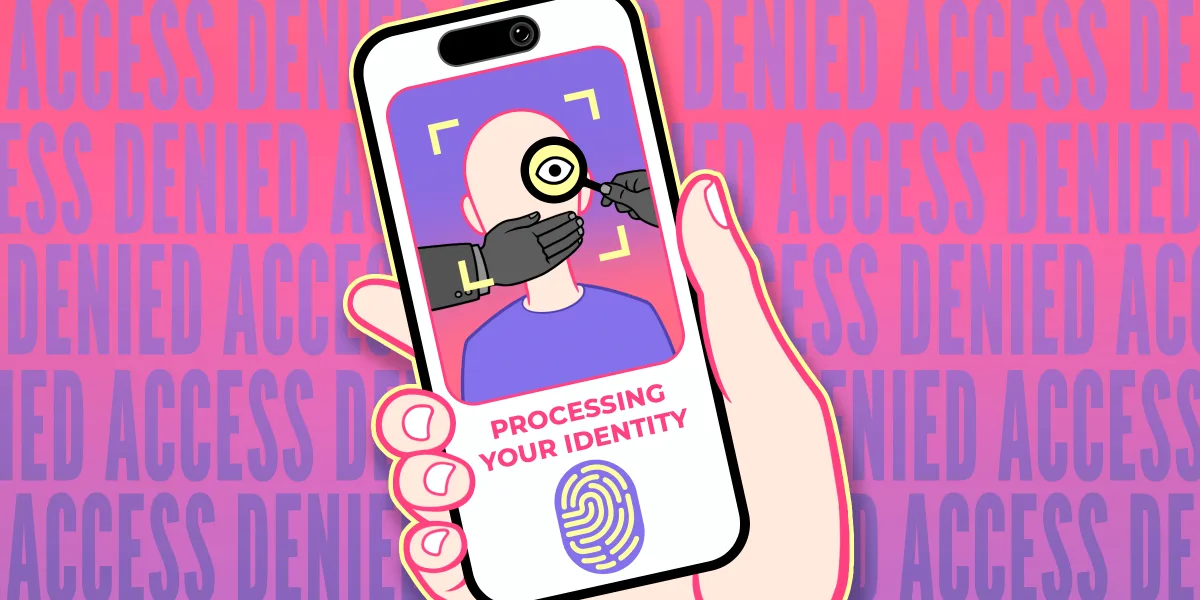
Legislation governing technology ought to strengthen and empower the next generation, but California's AB 1709—which Gov. Gavin Newsom signed into law today—fails to meet that standard, according to the Electronic Frontier Foundation (EFF) and partner organizations. The measure effectively prohibits social media access for anyone under 16, a restriction that advocates say undermines rather than safeguards young people's wellbeing.
In contemporary society, digital platforms serve as vital channels for learning and fostering meaningful connections. A sweeping prohibition like AB 1709 severs young people from crucial resources and experiences, with particularly severe consequences for vulnerable populations who depend on welcoming online spaces where they may not find equivalent support offline.
California should be passing laws to ensure that technology really works for people of all ages, not enacting social media bans that cut young people off from digital lifelines, communities, and speech. Denying minors access to digital forums - or stripping out basic tools needed to navigate them - is not going to help make young people safer or healthier in the AI age.
Rindala Alajaji, EFF Associate Director of State Affairs
Evidence indicates that prohibitions on social media fail to achieve their intended safety objectives while simultaneously robbing young people of chances to cultivate their own identities and perspectives—to express creativity, practice faith, and participate in civic life.
Age-verification mechanisms compel broader disclosure of personal data. To enforce access restrictions, platforms must gather additional information about users, a dynamic that consolidates corporate control over data rather than defending individual privacy.
The legislation also conflicts with constitutional protections for speech and will likely consume state resources in litigation. Rather than pursuing such measures, California should prioritize comprehensive privacy legislation that directly addresses the surveillance-dependent business practices underlying technology platforms. This approach would genuinely safeguard all residents in an era of artificial intelligence.
Young people deserve the ability to engage with technology in ways that are both secure and beneficial. California has an opportunity to establish exemplary standards that enable technology to serve everyone equitably, rather than erecting barriers that ultimately inflict greater damage than benefit.
Social media bans like AB1709 make kids less safe, while undermining privacy and freedom of expression for everyone. Young people have been on the forefront of every social movement throughout history that has led to positive social change. We need policies that empower young people rather than silencing them. These kid-focused bans are a gift to Big Tech giants, allowing them to continue operating their harmful business model while incentivizing them to collect even more data. California lawmakers should be ashamed. They didn't do anything to protect the kids, they just used kids as pawns to make good headlines.
Evan Greer, Director of Fight for the Future
In a world of increasing stigma and marginalization for LGBTQ+ families, AB 1709 continues that trend by stripping people with LGBTQ+ parents of the ability to meet and build community with one another on the internet. Beyond obstructing the right of youth with LGBTQ+ parents to access information, this bill places an undue burden on all Californians by forcing age verification at a time when digital privacy rights are being eroded globally. We cannot 'protect children' by stripping them of their primary avenue for connection.
Jordan Wilson, Executive Director of COLAGE