Dell security chief: AI is democratizing sophisticated cyberattacks
Artificial intelligence is simultaneously accelerating financial institutions' digital transformation and enabling less-skilled attackers to deploy advanced threats, according to Dell Technologies' security leadership.
The financial sector faces a dual challenge as artificial intelligence reshapes both opportunity and risk. Financial institutions are moving rapidly to harness AI for data-driven decision-making, even as their security operations confront an emerging threat landscape powered by agentic AI systems. The balance between these two trajectories hinges on a fundamental shift in the economics of cyberattacks.
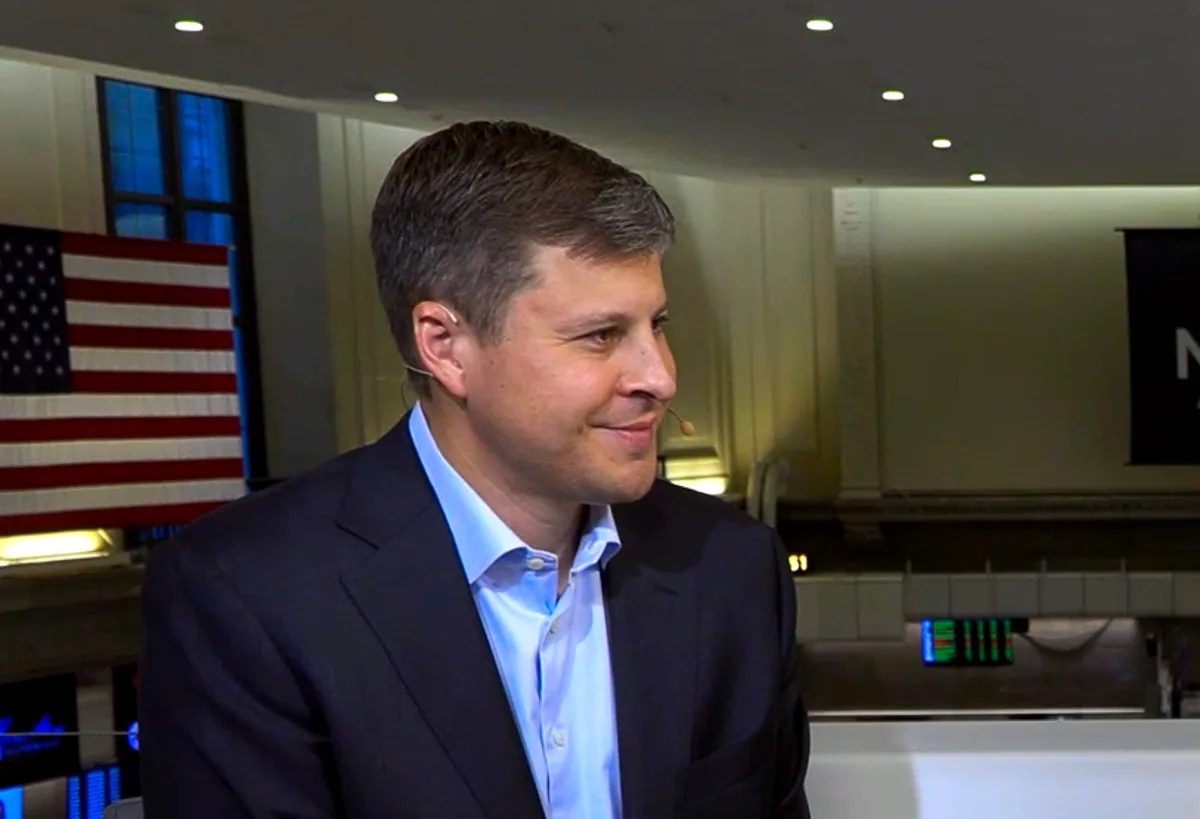
The traditional hierarchy of threat actors—from individual hacktivists to organized criminal groups to nation-states—remains intact, but the technological barriers separating them have collapsed. John Scimone, president and chief security officer of Dell Technologies Inc., characterized the transformation bluntly: "I think the pyramid still exists, but undoubtedly the cost of entry and the barriers to entry have crumbled." The implication is stark. "Said another way, the least sophisticated attack tomorrow is more sophisticated than the world will have ever seen a year ago."
Scimone discussed these dynamics during an exclusive interview at the Dell Technologies New York Symposium, conducted by Dave Vellante of theCUBE Research.
Defending financial systems in an agentic age
Dell itself is deploying advanced AI models to strengthen its own security infrastructure. The company participates in Anthropic PBC's Project Glasswing, a program that provides selected organizations with access to sophisticated AI capabilities designed to protect critical infrastructure. According to Scimone, the initiative has expanded its membership and recently integrated into a larger verification framework. While foundational security principles—identity verification, access controls, threat detection—remain relevant, the velocity and volume of modern attacks have rendered conventional defensive approaches obsolete.
"We as cybersecurity professionals are going to have to use AI to defend against AI," Scimone stated. "There's a huge opportunity really to be able to leverage this capability for good."
https://www.youtube.com/embed/bHJsukzaLPk?feature=oembed
The potential impact may be greatest for organizations that lack resources to build comprehensive security operations. Autonomous agents could provide the scale and expertise that smaller enterprises cannot afford to hire or develop internally. Scimone envisioned a transformed security model: "Our future security program might be a security program of one person, but it might have 10,000 agents, all of which are the best security practitioners in the space and the roles in which they're assigned."