Barry Steinhardt, Pioneer of Digital Privacy Rights, Dies at 73
The former EFF president and ACLU leader who fought early battles over internet freedom and helped overturn the Communications Decency Act has passed away.
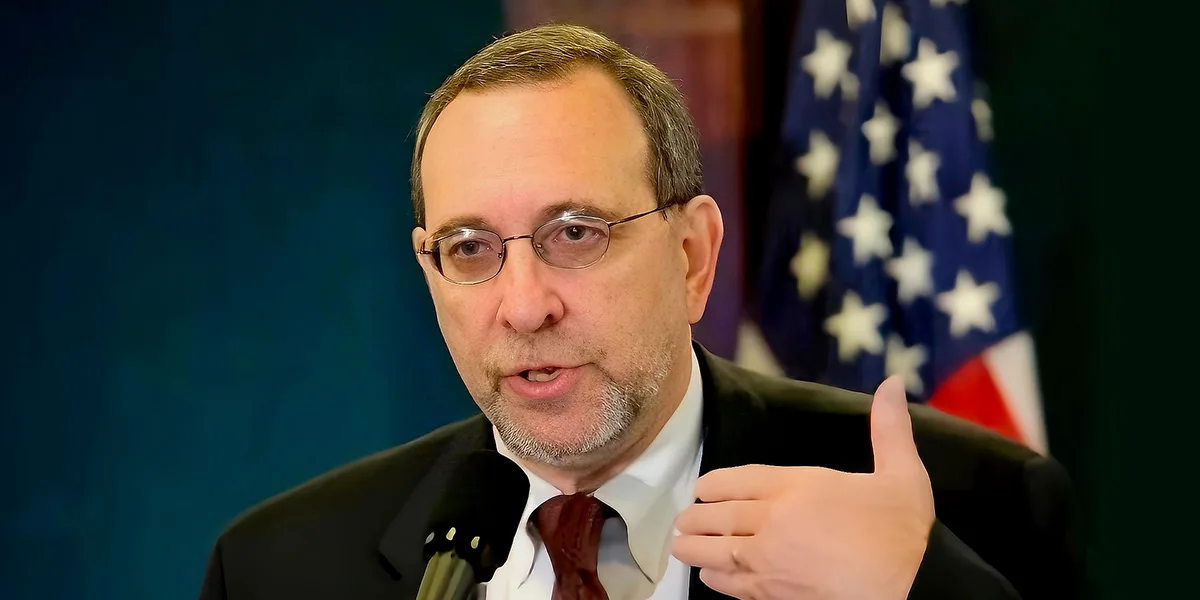
Barry Steinhardt, whose career spanned decades defending privacy and digital civil liberties, died last week at the age of 73. The Connecticut-born attorney served as president of the Electronic Frontier Foundation during 1998 and 1999, and became one of the earliest legal specialists working at the intersection of technology and personal privacy.
Before his tenure at EFF, Steinhardt held leadership positions with the American Civil Liberties Union, directing its Vermont and Pennsylvania chapters before advancing to associate director of the national organization. He played a central role in challenging the Communications Decency Act, which culminated in the 1997 Supreme Court decision Reno v. ACLU.
In 1998, Steinhardt took a temporary leave from the ACLU to lead EFF as president, returning to the civil liberties organization the following year. During his time away from the ACLU, he established the Program on Technology and Liberty in 2002, which he continued to shape after stepping back from his primary role. Following his retirement from the ACLU, Steinhardt remained engaged in the field as a senior advisor to Privacy International, the London-based organization.
Throughout his career, Steinhardt took on numerous high-profile roles in policy and governance. He presided over the 2003 Computer Freedom and Privacy Conference and participated in advisory capacities across multiple significant bodies, including the Department of Transportation's Negotiated Rule Making addressing national driver's license standards, the US Census Advisory Committee, and the Blue Ribbon Panel on Genetics convened by the National Conference of State Legislatures. He also served on the US delegation to the G-8 Government and Private Sector Tokyo conference on Cyber Crime and advised the Czech Helsinki Committee.
Barry led many critical technology and civil liberties fights and was an important mentor to me and others in the field. Barry's influential work across strategy to defend and advance privacy rights and safeguard people against surveillance has made its mark on the law and policy of our digital world and protected the rights and safety of people across the United States and around the world.
Nicole Ozer, EFF Executive Director