Texas A&M's Sovereign AI Push: Building Secure Research Infrastructure at Scale
Universities are increasingly taking control of their own AI infrastructure to reduce costs and maintain security over sensitive research. Texas A&M's new IGNITE platform demonstrates how institutions are moving away from expensive cloud providers toward on-premises systems.
The movement toward sovereign AI is now reshaping how universities conduct research, with decisions about data ownership, computational resources and model governance becoming central to what investigations can proceed. Academic institutions occupy a distinctive position in today's technology landscape, balancing missions that range from public education to federally restricted research programs. Both endeavors depend fundamentally on learning capabilities, positioning artificial intelligence as essential infrastructure for advancing scholarship and instruction, according to Vince Kellen, chief information officer of the Texas A&M University System.
AI is a platform for thought. It's a platform for discovery. AI kind of undergirds all of what we're going to be doing in the future — certainly what we're doing in the present now.
Vince Kellen, chief information officer of the Texas A&M University System
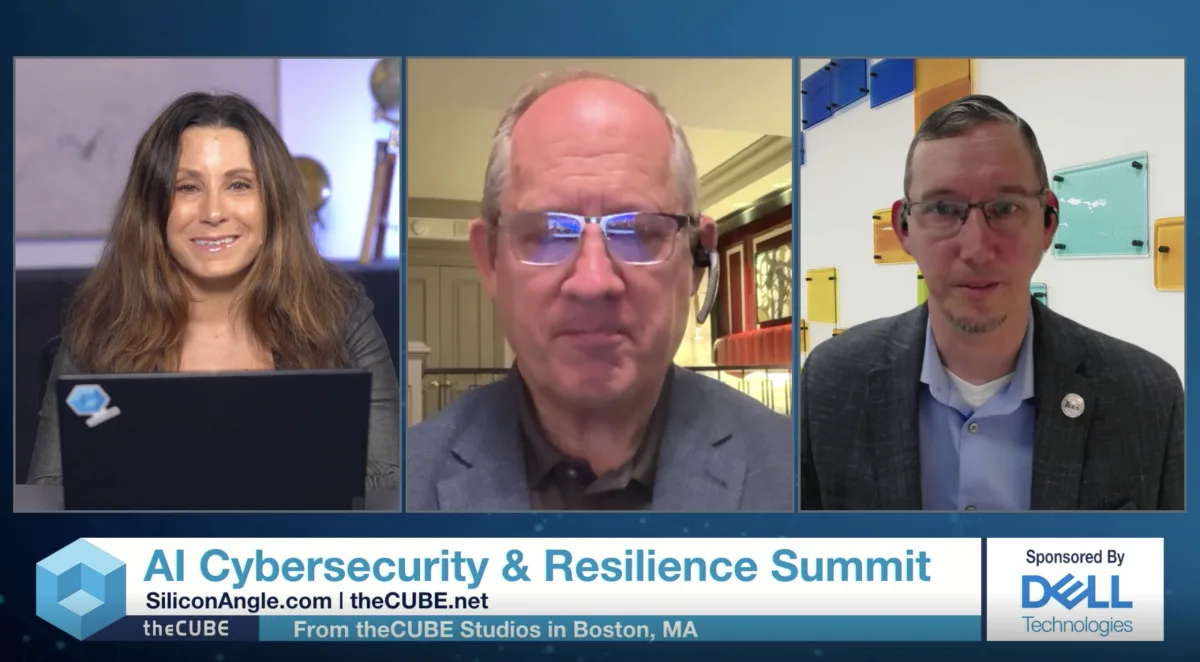
Kellen and Casey Bryan, chief information officer of the Texas A&M Engineering Experiment Station, discussed the university's strategy for establishing a secure, managed foundation for AI-enabled research during coverage of the AI Cybersecurity & Resilience Summit.
Building a sovereign AI foundation for research at scale
Texas A&M's strategy centers on IGNITE, an acronym for Innovative Growth in Next Generation AI Technology Ecosystem. The state-funded platform for artificial intelligence and high-performance computing is administered by TEES, the university's engineering experiment station. Dell Technologies Inc. is constructing the infrastructure, incorporating graphics processing units from Advanced Micro Devices Inc., housed within an Equinix Inc. facility in Dallas. This deployment will furnish research groups with computational capacity that their current infrastructure cannot supply, Bryan explained.
Part of our current challenge is that existing resources, while they are performing some of that work, are severely underpowered. Research is getting done but could be helped by capacity and scale, which I think IGNITE's going to bring to the table.
Casey Bryan, chief information officer of the Texas A&M Engineering Experiment Station
Financial considerations prove equally significant as raw performance. While industry focus has concentrated on neoclouds and commercial cloud operators, locally operated data centers are expanding substantially due to both regulatory oversight and expense reduction, Kellen noted. The premium pricing structure for AI computing services through major cloud vendors has begun constraining research institutions' capacity to execute scientific work.
There's no way we could take the science to your classic neocloud provider today and conduct the same thing. It's 5 to 10x the cost.
Vince Kellen
Maintaining ownership of infrastructure simultaneously cuts expenses and fortifies defensive posture, Kellen emphasized. Sovereignty rests on four foundational elements—data, infrastructure, capability and model, plus governance—with Equinix delivering physical safeguards for the computational systems themselves, Bryan stated. Operating as a state organization, TEES adheres to National Institute of Standards and Technology frameworks 800-53 and 800-171, plus Texas Administrative Code 202, and intends for IGNITE to achieve Cybersecurity Maturity Model Certification Level 2.
There's a lot of controls we have to inherit, but our researchers shouldn't have to think about all those. It should be absolutely seamless when they go to use the capabilities.
Casey Bryan
This philosophy guided the development of IGNITE. When TEES convened with Dell's technical team to organize implementation sessions, security received priority treatment, and the project's architecture review board subsequently endorsed this sequencing, according to Bryan. Universities embarking on comparable sovereign AI initiatives should absorb this critical lesson.
https://www.youtube.com/embed/5mNfaiP1bLE?feature=oembed
The idea was to build that security foundation with which all of the other operational components could be built and referenced back to. At its core, start with security early — get it embedded in the process earlier on — and it's much easier to keep it baked in at the beginning than have to worry about adding that at the end.
Casey Bryan