Team Group CEO warns memory shortage could persist through 2028, with prices climbing 550% in a year
The memory chip crisis will worsen through 2027, with some buyers unable to secure supplies even at premium prices, according to Team Group's leadership during an earnings briefing.
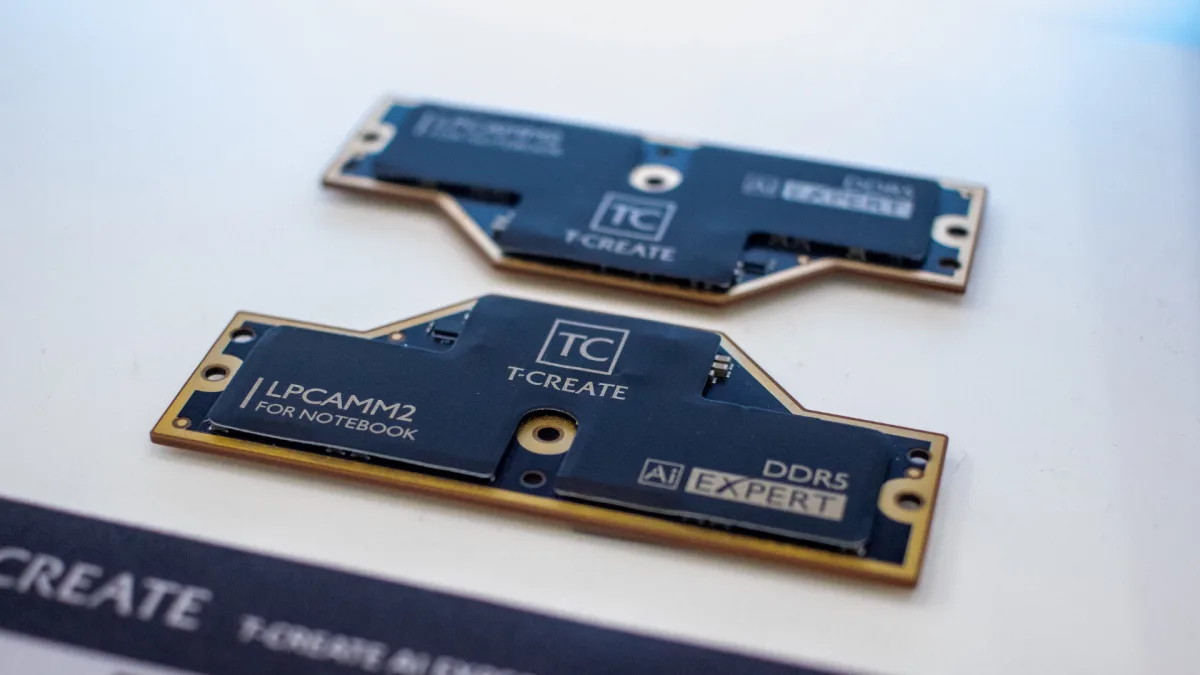
During Team Group's November 2 earnings call, CEO Chen Ching-wen painted a bleak picture of the memory chip market, forecasting deteriorating conditions from late 2026 through the end of 2027. According to BigGo Finance's reporting on the briefing, Chen warned that pricing shows "no downward price trend whatsoever," and that certain buyers could find themselves in a position where "even money can't buy goods." The gap between spot market prices and contracted rates for memory chips currently sits between 30% and 50%, indicating that immediate supply commands a substantial premium over longer-term agreements.
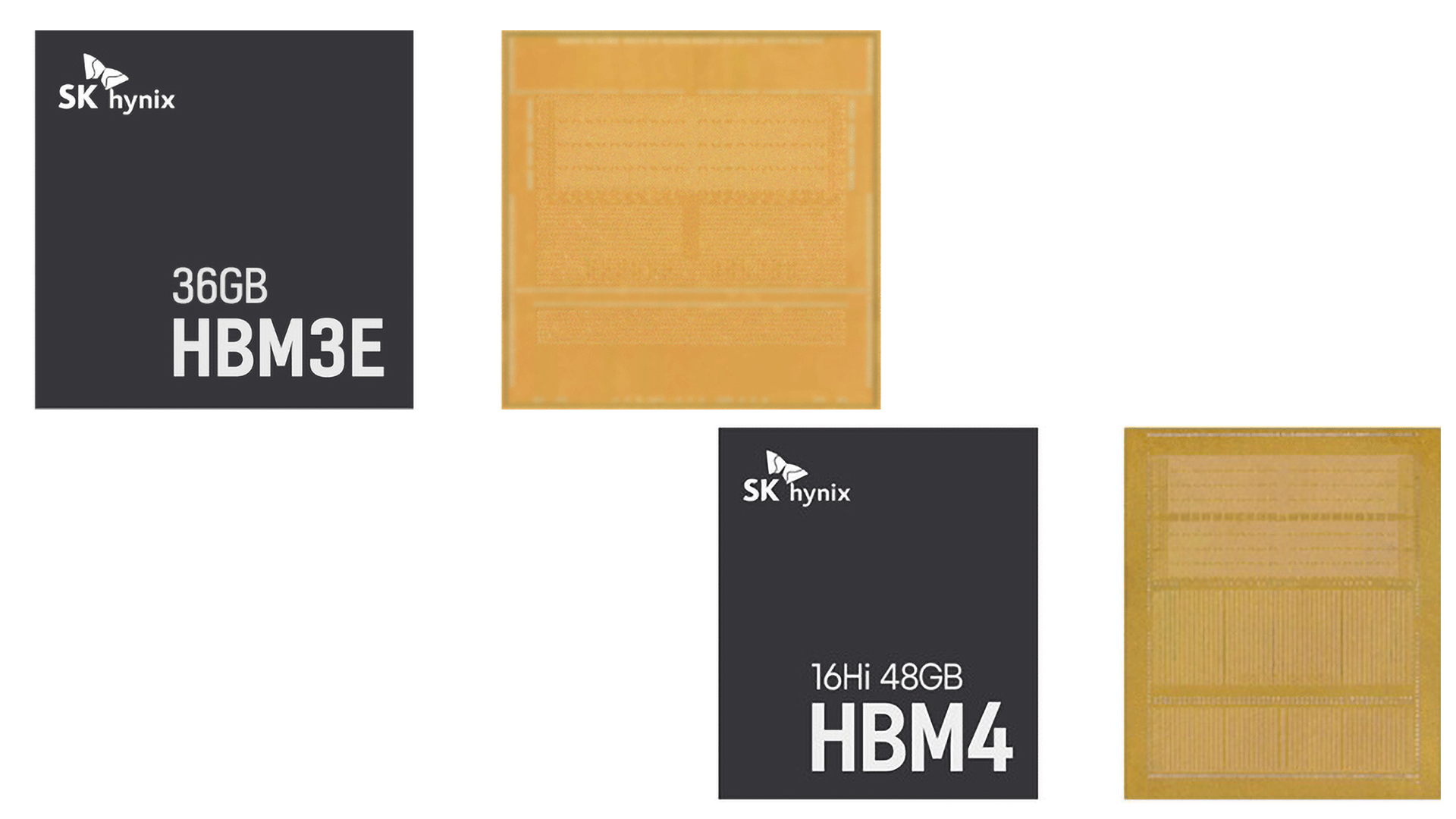
Chen elaborated on the company's predicament during the call: "We have contracts but can't get enough volume, so we have to go to the spot market and pay a premium to grab supply." The cost trajectory for 16GB DDR5 chips illustrates the severity of the situation: contract pricing jumped from $8.70 in October 2025 to $48 by September 2026, representing a surge exceeding 550% over twelve months. Chen projected that supply and demand equilibrium will not materialize until the latter half of 2028 or possibly beyond. He reiterated his central concern: "How can prices fall when there's nothing left?"
Despite gains by Chinese manufacturers, the market remains dominated by established players. Chen noted that while CXMT and YMTC have captured nearly 10% of the market share, Kioxia, Micron, Samsung, and SK hynix continue to supply the majority of high-end DRAM and NAND flash products. Notably, the pricing for chips produced by Chinese competitors tracks the broader market closely, meaning they have not emerged as the affordable alternative some observers anticipated. As a result, Chen expects budget component pricing will not stabilize until 2029, while premium chips will continue facing acute supply constraints.
These projections diverge sharply from assessments offered by other industry figures. Acer CEO Jason Chen has predicted that component pricing will reverse course by the latter half of 2027, with only specialized chips such as LPDDR5X-9600 and Nvidia N1-series SoCs remaining scarce while mainstream components finally decline. Under this scenario, personal computers would face price increases of 5% to 20% through year-end, stabilize during the first half of 2027, then begin declining. Jason Chen has suggested that major suppliers may be prolonging shortage narratives to sustain profit margins.
The divergence between these forecasts leaves considerable uncertainty about the actual trajectory of memory chip pricing. While consumers have endured sustained price increases in PC components and peripherals in recent months and would welcome relief, the ongoing expansion of AI data center infrastructure continues to strain available supply.