Startup achieves first net-positive power from underwater geothermal plant
Endurance Energy demonstrated a prototype subsea geothermal power system near an active underwater volcano, generating net-positive electricity for the first time and validating the technical feasibility of deep-ocean renewable energy.
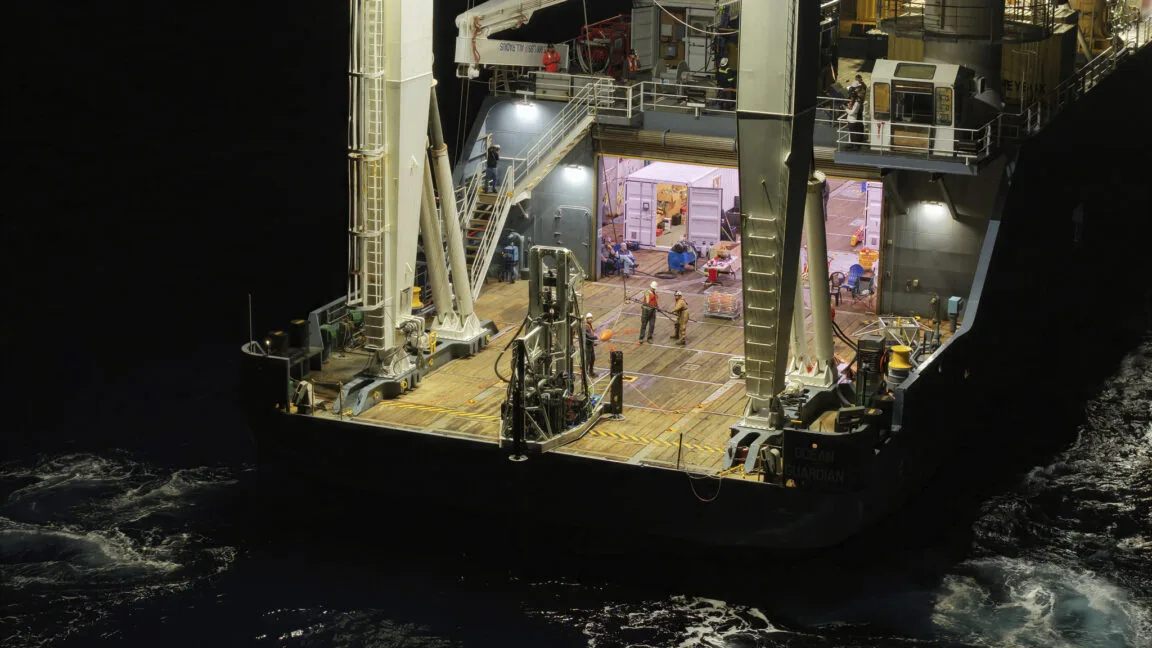
A Seattle-based startup has completed the inaugural test of a subsea geothermal power generation system, operating it nearly a mile beneath the ocean surface at the Axial Seamount in the northeast Pacific. The 3-ton prototype ran for three weeks in September and produced net-positive electricity for approximately 8.7 seconds—a milestone that marks the first time such a system has generated more power than it consumed while operating on the seafloor.
Endurance Energy designed the effort to prove that underwater geothermal energy can work as a viable renewable alternative for island nations and other regions seeking to reduce dependence on imported fossil fuels. The company envisions eventually deploying commercial systems to customers like the Kingdom of Tonga, where diesel imports dominate the power grid.
Andrew Redd, founder and CEO of Endurance Energy, explained the advantages of the ocean environment: "The deep ocean gives us unlimited cold seawater for cooling, and its weight keeps the system and the well pressurized, so our plants can be compact."
Yet subsea geothermal projects face obstacles that land-based operations do not encounter, potentially driving up both installation and operational expenses. Roland Horne, a professor of energy science and engineering at Stanford University, noted that while the approach appears technically sound, "It's probably technically feasible, but it would undoubtedly be more expensive than to do it on land."
Deep sea drilling
The deployment required a subsea lander drill deployed from the vessel Ocean Guardian, operated by Stabbert Maritime, to bore two holes into the seafloor at approximately 5,000 feet (1,524 meters) of depth—a distance exceeding 2.5 times the height of One World Trade Center, the tallest building in the United States.
Both holes struck hydrothermal fluid venting at roughly 500° F (260° C). Endurance Energy cased and cemented the second hole, then installed a valve to establish a functioning well.
The company then positioned its 100-kilowatt power plant, called Adélie, which was designed to vaporize incoming hydrothermal fluid to drive a turbine connected to an electric generator. The remotely operated submersible ROPOS, operated by Canada, assisted in connecting the power plant to the newly drilled well.
Adélie linked to Endurance Energy's Seattle operations center through the Regional Cabled Array, a 559-mile (900-kilometer) network of undersea fiber-optic and electric cables that delivers both power and data connectivity to scientific instruments on the seafloor. The University of Washington operates this network, which is funded by the US National Science Foundation.
A significant problem emerged during testing: the well, which extended only 52 feet (16 meters) into the seafloor, failed to deliver sufficient hydrothermal fluid to operate the power plant effectively.
Redd explained the reasoning behind the initial design: "For our first well, the goal was to show we could drill, case, cement, and cap a well on the seafloor, so we kept it small and shallow. That limited how much fluid it could deliver, and deeper wells should change that."
The test well measured just 2 inches (5 centimeters) in diameter, whereas oil, gas, and onshore geothermal wells typically feature casings between 20 and 36 inches (51 to 91 centimeters) wide.
To overcome this limitation, Endurance Energy intends to drill deeper wells in future attempts to access greater volumes of fluid. The company's current lander drill can reach approximately 260 feet (80 meters), five times deeper than the initial test well.
Powering on
Rather than abandon the test, the team relocated Adélie to a nearby natural hydrothermal vent where fluid was already flowing at about 538° F (281° C). On September 27, they initiated the power generation attempt.
The turbine accelerated to approximately 26,000 rpm over nearly thirty seconds, enabling the generator to produce 60 watt-hours of electricity.
The system achieved net-positive status—consuming less power than it generated—for 8.7 seconds, producing a median output of roughly 2 kilowatts and peaking at 16.5 kilowatts of net power.
Redd emphasized the significance of this result: "It's the proof point. Net-positive is the threshold that matters: the plant made more power than it took to run itself on the seafloor, which no one had done before."
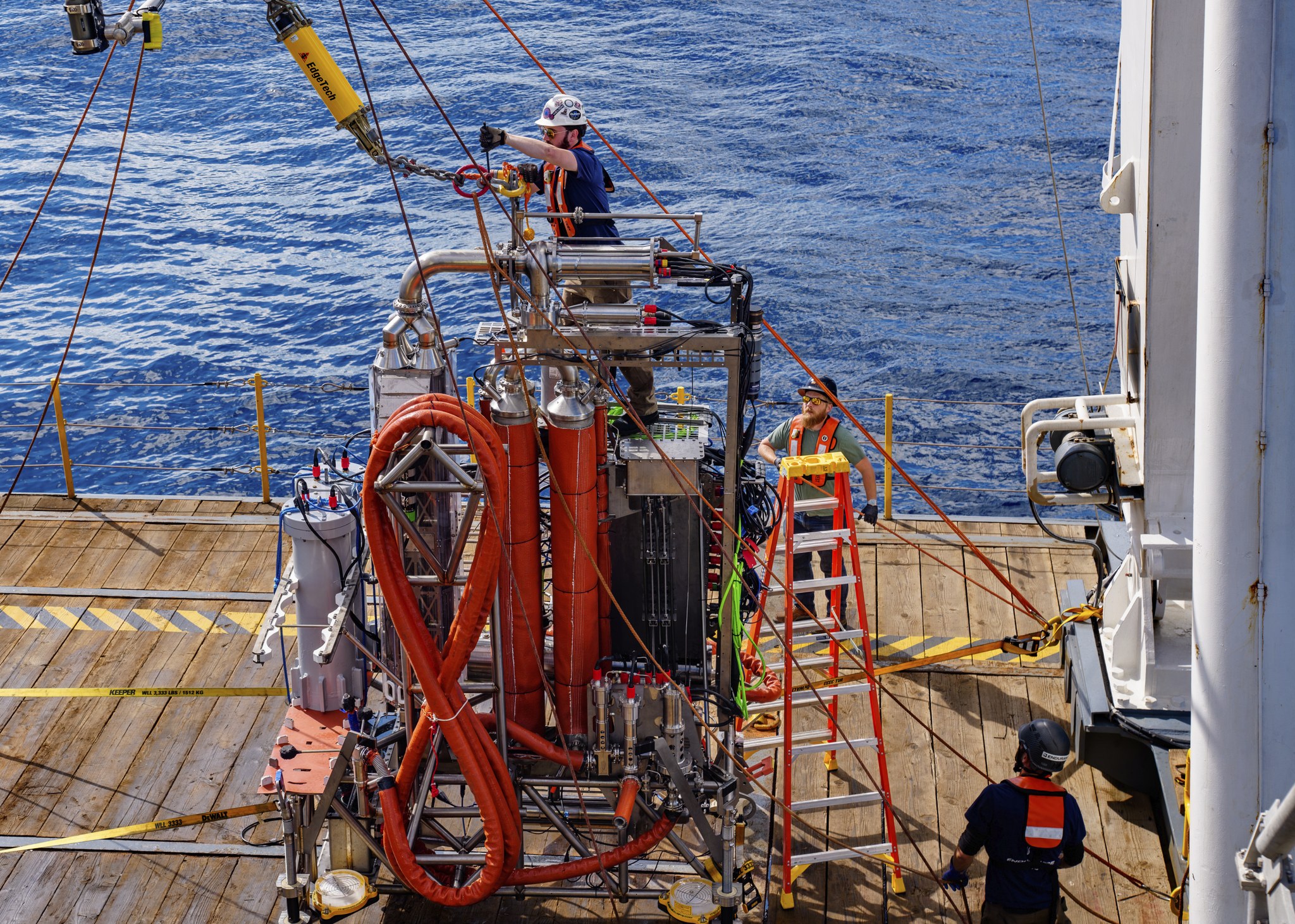
A software malfunction terminated the power generation run. Adélie initially relies on a battery to power its pumps, thrusters, controls, and to accelerate the turbine before the generator takes over, Redd noted. During the spin-up phase, a battery module detected a brief current surge and ceased transmitting data.
Adélie's safety systems automatically halted the power plant because the software continued referencing the outdated battery reading.
When the team attempted to restart the system, a power cable supplying the refrigerant pump failed after seawater penetrated an imperfection in the cable jacket, shorting two electrical conductors. This ended the trial, though Endurance Energy plans to apply these lessons to improve subsea cable design and testing.
Future deployments
Positioning the geothermal system atop a natural hydrothermal vent served only as a one-time research and demonstration exercise, Redd clarified. The company intends to rely on drilled wells for subsequent deployments.
Endurance Energy implemented measures to minimize environmental consequences for the seafloor and marine organisms. The team selected the "least disruptive" test location and continuously monitored conditions by collecting water samples and documenting the seafloor ecosystem of tubeworms, snails, crabs, and bacterial mats. Independent researchers' scientific sensors were consulted, and water, rock, and mineral samples underwent independent laboratory analysis.
The next trial, scheduled for winter 2026–2027, will employ a refurbished and upgraded version of Adélie, renamed Gentoo following the penguin-themed naming convention, targeting sustained higher power generation.
Endurance Energy is also constructing a larger 2-megawatt commercial generator intended for its first commercial deployment with the Kingdom of Tonga in 2027. The South Pacific island nation operates its electrical grid predominantly on imported diesel fuel, costs that have risen sharply since the United States and Israel began military operations against Iran.
Redd described the commercial deployment scale: "The 2 MW commercial generators will be about the size of a shipping container, and we are deploying up to six of these generators [to] offshore Tonga. The physical footprint of this project will be relatively small."
Geothermal projects already prove cost-effective on land but remain "on the edge of competitive pricewise," according to Horne at Stanford. He warned that any factors increasing geothermal expenses would "push it to the noncompetitive side."
Other potential customers may embrace Endurance Energy's technology if the company demonstrates dependable long-term operations through the Tonga project. Escalating costs for imported fossil fuels have already motivated numerous governments to invest in renewable energy alternatives.
Redd identified promising markets: "Large markets with ample offshore geothermal resources include the United States—Pacific Northwest and Alaska—Taiwan, and Japan. As the technology matures, we expect to compete on cost and deliver continuous, weather-independent power to utilities and large energy users."