Security Researcher Publishes Reverse-Engineered Stuxnet Code on GitHub
An anonymous security researcher has made available a complete source code reconstruction of Stuxnet, the notorious malware that targeted Iranian nuclear facilities and became the first software worm known to inflict direct physical damage.
Testing should occur exclusively within a virtual machine environment.
Those following global developments during the 2010s, particularly in technology reporting, are likely familiar with Stuxnet. The malware generated numerous theories about its origins and purpose—many of which proved accurate. Stuxnet was designed to strike Iranian nuclear installations and stands as what many believe to be the first software worm to inflict tangible physical harm. A previously unidentified researcher has now made public a complete reverse-engineered reconstruction of Stuxnet's source code.
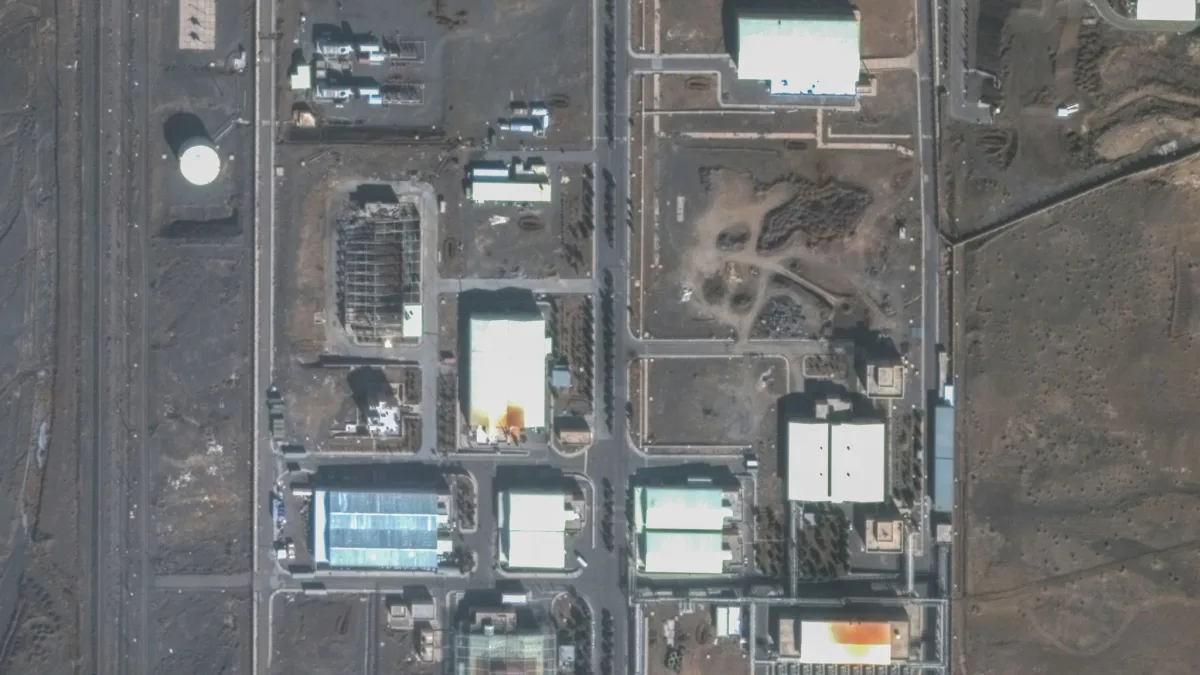
The worm's primary objective involved Siemens industrial control systems allegedly deployed at Iran's Natanz nuclear enrichment facility. Upon infection, Stuxnet's code altered the frequency converters powering industrial centrifuges, gradually harming the rotors while simultaneously deceiving operators by displaying normal status readings.
The GitHub repository includes compilation instructions enabling researchers to examine the code firsthand. Execution requires either Windows XP or Windows 7 running in a virtual machine with network isolation disabled. Observing the malware's complete destructive behavior demands the corresponding Siemens applications and preferably matching hardware—though industrial centrifuges remain uncommon in most technical environments.
Infection and Propagation Methods
Stuxnet employed three distinct mechanisms for distribution during its active period. The initial infection pathway involved USB drives containing Windows shortcuts and autorun.inf files. Simply accessing the drive's directory through a zero-day vulnerability would trigger immediate infection.
Compromised machines subsequently attempted autonomous propagation across networks using a zero-day vulnerability in Windows Print Spooler, permitting attackers to write system files to any device connected to a shared printer. The worm additionally duplicated itself across accessible network shares. To circumvent Windows driver signature validation, Stuxnet leveraged two stolen digital certificates from Realtek and JMicron.
An additional infection pathway involved code injection into Siemens applications via the WinCC SQL Server database and embedding malicious instructions within Step 7 project files that executed automatically when engineers accessed them. Given that such files typically circulated among multiple engineers, this mechanism provided a reliable internal propagation vector independent of network share permissions.
The final stage involved compromising the DLL responsible for centrifuge communication and inserting malicious instructions into the PLCs (Programmable Logic Controllers) controlling those devices, enabling covert rotor manipulation.
Origins and Objectives
Stuxnet formed part of Operation Olympic Games, described as a collaborative initiative between the United States and Israel targeting Iran's alleged nuclear weapons development at Natanz. The operation reportedly continued across both the Bush and Obama administrations and functioned as a deterrent against potential Israeli military action. The Pentagon and Israel's Unit 8200 allegedly developed the software together, and it purportedly succeeded in disabling approximately 10% of Natanz's centrifuges through severe rotor damage.
Unintended Consequences

A critical flaw in the worm's design undermined its containment: insufficient environmental validation allowed it to propagate beyond its intended network. When engineers transported infected laptops outside the facility, Stuxnet spread across the public internet, prompting security researchers globally to begin detailed analysis. A hardcoded termination date of June 24, 2012 ultimately prevented indefinite propagation.
Source: Tom's Hardware