SC26 Showdown: AMD and Nvidia Trade Claims on AI Processor Leadership
Coverage from this week's Supercomputing conference reveals competing visions for agentic AI workloads, with both chipmakers staking claims to superiority in a rapidly evolving market.
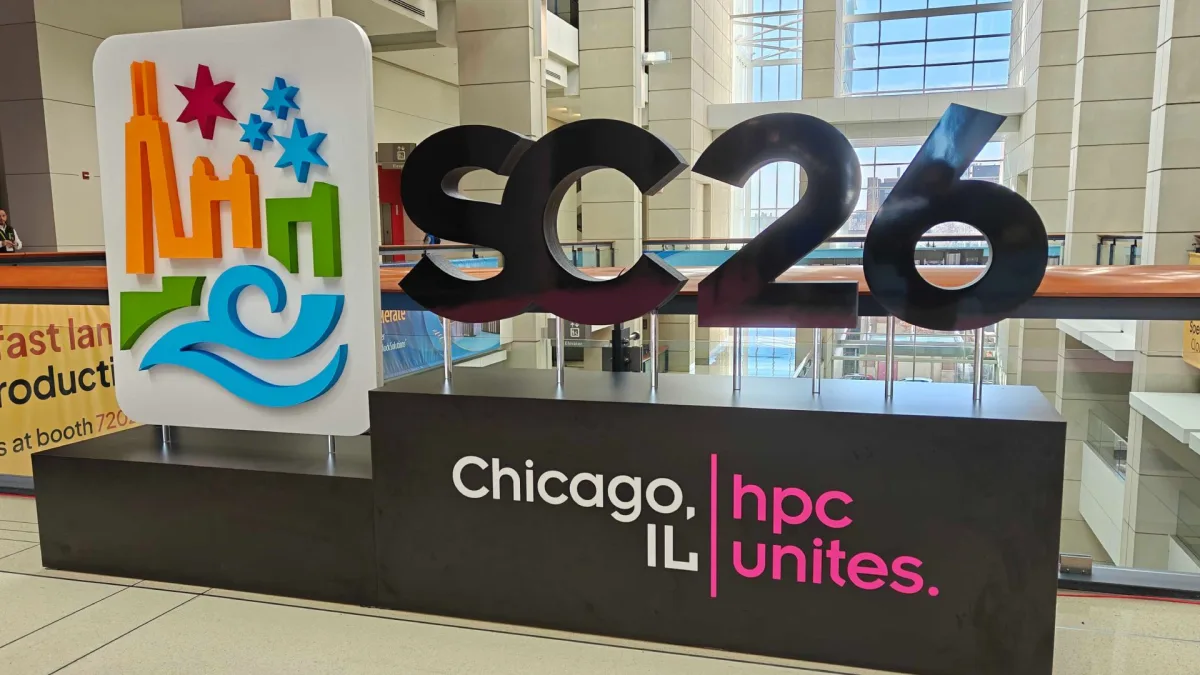
The pace of innovation in enterprise computing shows no signs of slowing. Tom's Hardware Premium has compiled its weekly coverage highlights, with the dominant focus centered on reporting from the floor of SC26, the industry's flagship annual Supercomputing conference. Readers who have not yet reviewed the conference dispatches have missed significant developments; all SC26 coverage is currently available at no charge to registered Tom's Hardware account holders.
Jake Roach, the outlet's CPU specialist, spent the week embedded at the conference, documenting key announcements and industry positioning. A central point of contention emerged between AMD and Nvidia regarding their latest processor offerings for artificial intelligence applications. AMD promoted its EPYC Venice lineup as the superior choice for agentic workloads, while Nvidia's promotional materials positioned the Vera CPU as purpose-built for Agentic AI.
At the conference, Nvidia's CPU chief Ian Finder pushed back against his own company's marketing narrative. He characterized the notion that Nvidia could have foreseen the data center inflection point as "absurd," instead crediting the company's accumulated processor design expertise as the actual driver behind the Vera CPU's development.