Oracle Warns Database Customers: Quantum Computing Poses Encryption Threat Today
The technology giant is rolling out cryptographic assessment tools to help enterprises identify weak encryption across their database infrastructure, as the threat of future quantum decryption looms.
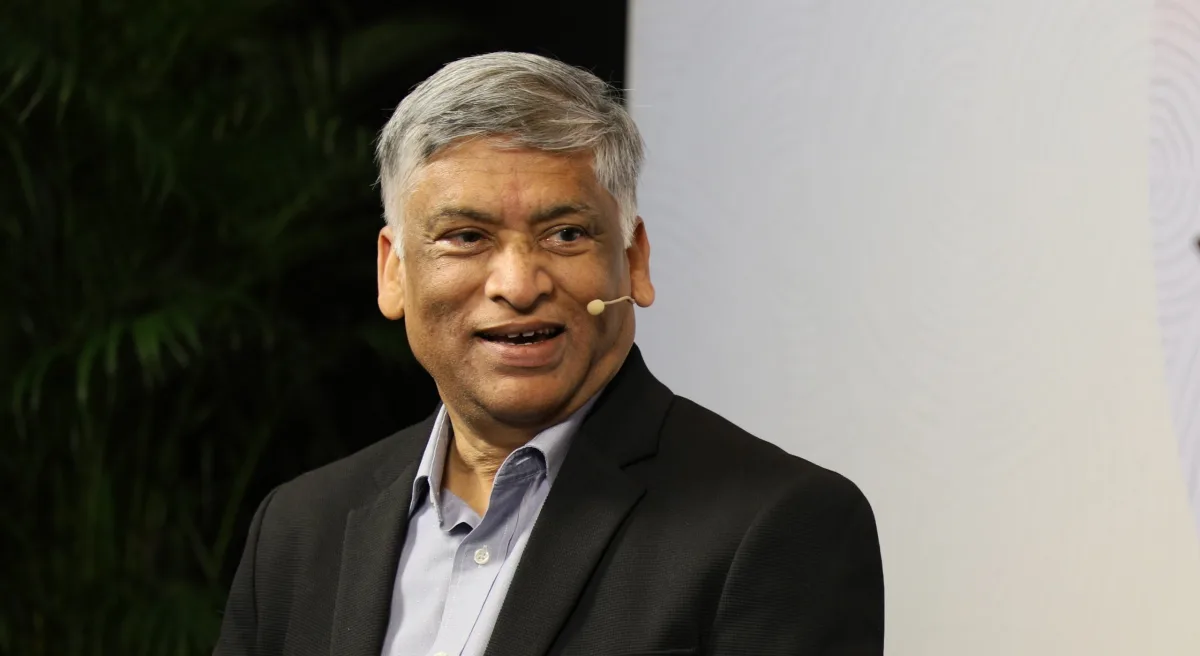
Adversaries can harvest encrypted communications now and wait for quantum computers to mature before attempting decryption, transforming quantum-resistant cryptography from a distant concern into an immediate priority. Oracle Corp. is extending the security model it uses for AI agent controls to encryption management across database environments, according to Vipin Samar, senior vice president of software engineering, database security, at Oracle.
Even though we don't have quantum computers which are sufficiently powerful today, when they come, that can create a risk because people can make a copy of your encrypted data today. Your TLS 1.2 traffic, 1.3 traffic, I can make a copy of it. And then when quantum becomes available, I can figure out the session key and decrypt … your entire sensitive data.
Vipin Samar, senior vice president of software engineering, database security, at Oracle
Samar shared these insights during a conversation with theCUBE Research's Dave Vellante at Oracle AI World, in an exclusive interview broadcast on theCUBE, SiliconANGLE Media's livestreaming platform. The discussion centered on encryption vulnerabilities in the context of quantum computing's eventual arrival.
Quantum-resistant cryptography starts with fleet-level visibility
Oracle has introduced Cryptographic Posture Assessment within Oracle Data Safe, a tool designed to evaluate encryption settings across database deployments and identify vulnerabilities including outdated TLS 1.0 and 1.1 protocols. An AI-powered remediation capability is currently in preview, Samar noted.
It doesn't help if network encryption is strong, but other parts are actually on the weaker side. And this becomes a challenge, especially when PQC or the quantum computers come along because they can attempt to hack into any of those systems.
Vipin Samar
Deep Data Security, a feature integrated into Oracle AI Database 26ai, enforces access controls at the row and column level by using signed OAuth2 tokens to verify the identity of the user initiating an AI agent's query. Oracle positions AI as simply another application layer accessing the underlying data.
https://www.youtube.com/embed/ZlhbJpoO-xE?feature=oembed
We said instead of sprinkling this dust everywhere, why don't we secure at the source? When you move something inside the database, you get great security because there are no ways to bypass it.
Vipin Samar