Nintendo Commits to Physical Games While Sony Shifts Digital
Nintendo's leadership has reaffirmed the company's dedication to cartridge-based gaming, contrasting sharply with Sony's move toward eliminating disc-based releases from its console lineup.
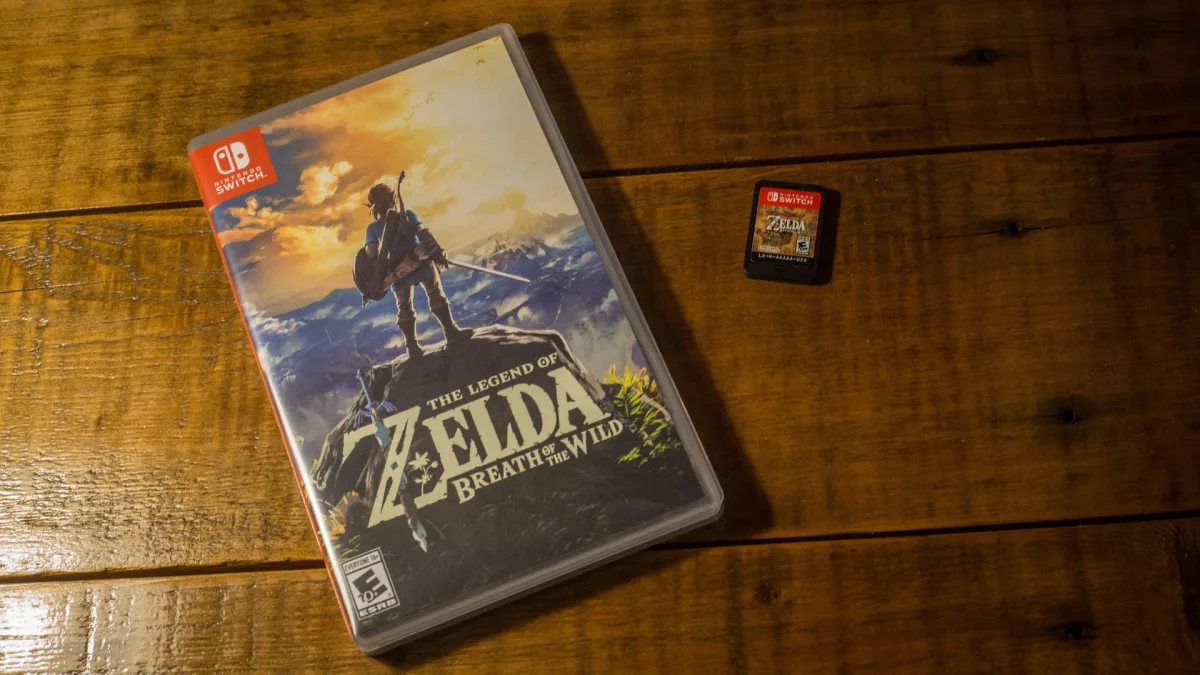
As the gaming industry accelerates toward digital distribution, Nintendo is charting a different course than its competitors. Bill van Zyll, Nintendo's Vice President and General Manager for Latin America, recently stated in an interview with Brazilian YouTube channel Coelho no Japão that the company intends to maintain support for physical media.
"Historically, we've been very agnostic, right?" van Zyll said during the conversation. He elaborated further: "We go off what the consumer prefers, and take that into account very heavily. We also have a platform that was just launched. We're barely just over a year into NS2. It's got both digital and physical – that capability. There's no plans to ditch physical. We know how much the fans like it as well, so our position has been to be agnostic."
The distinction between Nintendo's approach and Sony's strategy reflects a fundamental disagreement about the future of gaming hardware. While Sony continues its transition away from physical media, Nintendo remains committed to offering both formats to its audience. This divergence matters because digital purchases typically grant users only a license to play, not ownership of the underlying product. By contrast, physical cartridges and discs represent actual ownership that can be resold or traded. Some digital storefronts like GOG and itch.io provide DRM-free downloads, but these remain exceptions rather than the norm.
The reality of modern game development, however, has complicated Nintendo's ability to deliver traditional cartridges. Storage limitations have forced a compromise: game-key cards that contain a license to download the full game rather than the complete game data on the cartridge itself. Nintendo Switch cartridges max out at 32GB of storage, while Switch 2 cartridges reach 64GB—insufficient for many contemporary releases. Games like Black Myth: Wukong and the forthcoming Grand Theft Auto VI employ this code-in-a-box model. The advantage of game-key cards over purely digital releases is that the license remains tied to the physical card, allowing owners to trade or resell them as they would traditional cartridges.
Nintendo's pricing strategy for physical media has shifted as of May 2026. First-party Nintendo titles now cost $10 more in physical form than their digital versions, a difference the company attributes to manufacturing, packaging, and distribution expenses. Nintendo frames this adjustment as a $10 price reduction on digital titles rather than a markup on physical copies, positioning the change as a benefit to consumers choosing the digital path.
Looking ahead, Nintendo has indicated that Switch 2 will follow a lifecycle similar to its predecessor, lasting approximately six to seven years. Though the company's long-term commitment to physical media remains subject to market forces and unforeseen industry shifts—as Sony's recent pivot demonstrated—Nintendo's current stance suggests players can expect physical options throughout the Switch 2's lifespan.