Local data center moratoriums prove largely toothless against US buildout pipeline
Analysis of over 300 local restrictions reveals only three projects face delays, as most moratoriums miss their targets through timing, geography or existing permits.
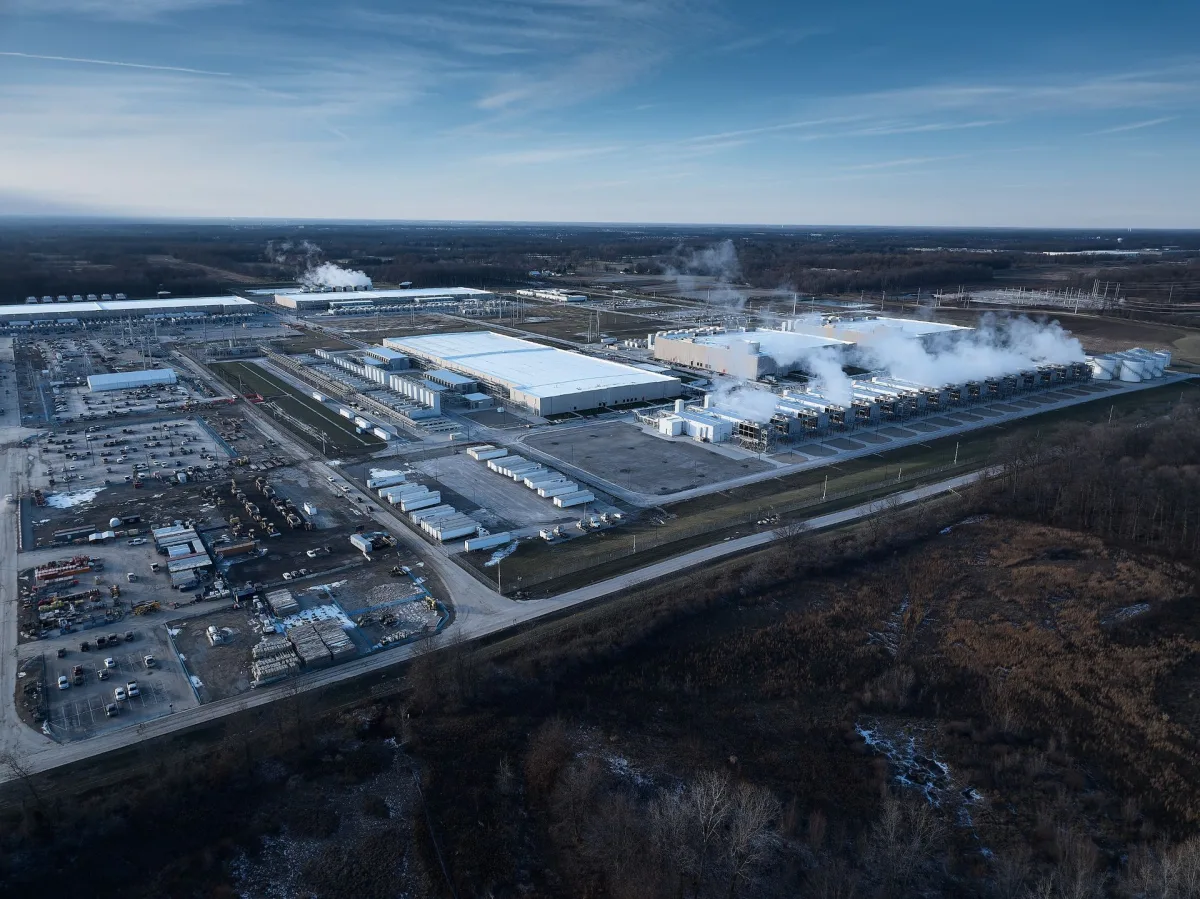
Hundreds of local data center construction freezes across the country have had minimal effect on the nation's buildout plans, according to research from SemiAnalysis. The firm's examination of more than 300 local moratoriums found that only three projects representing roughly 2.3 gigawatts out of 21 gigawatts of data center capacity in moratorium zones face actual delays. With 38 gigawatts of U.S. data center IT capacity projected to come online in 2027—more than double 2026 levels—the restrictions have barely slowed momentum.
SemiAnalysis tracked over 400 local instruments across 17 states as of September, with enacted restrictions including several permanent zoning bans. Four states moved quickly to impose freezes during summer 2026: New York, Texas, Pennsylvania, and Oregon. The firm's analysts deployed advanced research tools to cross-reference each active restriction against thousands of project records.
The research defines a moratorium as a "temporary legal pause," typically a "freeze on accepting new applications." Most fail to achieve their intended effect because they leave existing approvals intact. A moratorium only delays a project if multiple conditions align simultaneously: the restriction must cover the specific parcel, remain in force through the approval timeline, overlap with when the project needs permits, and apply to the intended use in a way the developer cannot circumvent. Projects already under construction or fully permitted remain unaffected.
Geographic and jurisdictional gaps further limit moratorium reach. Michigan has enacted 45 moratoriums but faces virtually zero pipeline exposure, as a Google campus there sits on industrial land already zoned for data processing. SpaceX's planned data center in Brownsville, Texas, occupies land the city removed from its jurisdiction, placing it beyond the city's moratorium. One successful case involved a Pennsylvania township that adopted a pause before NorthPoint filed for its special exception, pushing local approval into the following year, though the company continues pursuing the project.
The 2.3 gigawatt delay figure excludes the Texas Commission on Environmental Quality pause, which operates differently. Texas Gov. Greg Abbott directed the TCEQ to issue no permits for data center projects regardless of Electric Reliability Council of Texas queue status. Law firm Bracewell expects this pause to remain in effect until ERCOT completes its review by mid-December. Such state-level actions could prove more consequential than local restrictions.
SemiAnalysis noted that the moratorium landscape would need to become "materially more widespread and restrictive" to meaningfully delay the buildout. The firm's forecast has "barely moved over the last 12 months," with 22 gigawatts under vertical construction and 16 gigawatts mostly financed with site work underway. Of the 20 gigawatts covered by enacted local moratoriums, only about 1.5 gigawatts faces delays, while New York's pause adds 0.8 gigawatts more.
Reporting from Michigan and Ohio, The Economist's Archie Hall characterized data center moratoriums as "much more bark than bite" for now. He suggested the larger risk lies in deterring new projects and redirecting where data centers locate rather than preventing construction altogether. Political sentiment may play a role: SemiAnalysis polling from August found more Americans hold negative than positive views of data centers.
On SemiAnalysis's weekly podcast last month, Jeremie Eliahou Ontiveros, one of the report's authors, identified a scenario that would genuinely concern the firm: a strict, state-level moratorium blocking even off-grid projects, citing Texas as a potential example. Both Gov. Abbott and New York Gov. Kathy Hochul bypassed their legislatures to implement pauses they control and can revoke. The next significant development will be the TCEQ's compliance report to Abbott's office, due Monday.