Energy Department Invokes Emergency Powers Again to Block Colorado Coal Plant Closure
Secretary of Energy Chris Wright has ordered a unit at Craig Station in Colorado to remain operational despite scheduled retirement, citing grid reliability concerns that state regulators have already disputed.
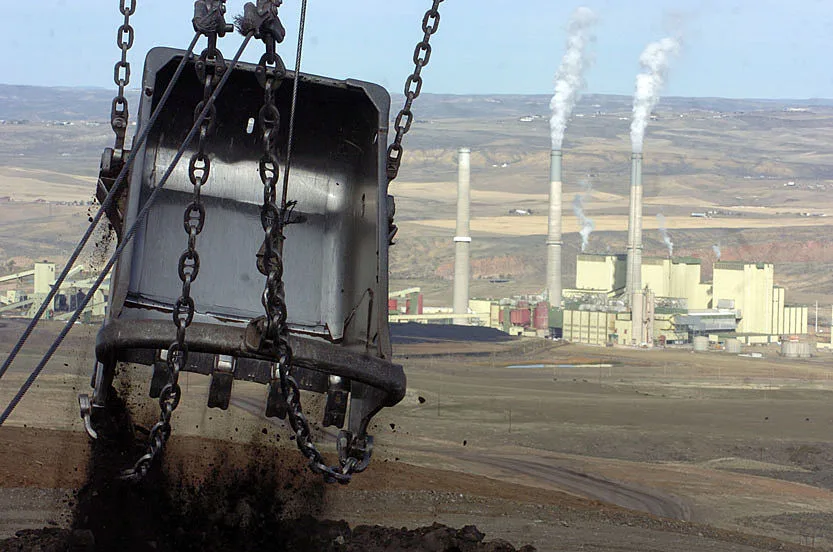
This week, Energy Secretary Chris Wright directed that one of three generating units at Craig Station in Colorado be kept running, overriding plans to retire it by year's end. The other two units at the facility were slated for shutdown in 2028. Wright's directive rests on claims of an energy supply crisis threatening regional grid stability.
The Department of Energy stated that "The reliable supply of power from the coal plant is essential for keeping the region's electric grid stable." However, Colorado's Public Utilities Commission had already completed its own assessment and concluded that "Craig Unit 1 is not required for reliability or resource adequacy purposes."
The directive does not mandate that the plant generate electricity; rather, it must remain available should generation shortfalls occur. Actual power production could create legal complications, as Colorado law restricts air pollution and caps greenhouse gas emissions. Residents in the area face the prospect of absorbing maintenance expenses through their utility bills, having already made financial adjustments based on the original closure timeline.
Legal Authority and Constraints
The Federal Power Act grants the Department of Energy authority to issue such orders during wartime or when "an emergency exists by reason of a sudden increase in the demand for electric energy, or a shortage of electric energy." The current justification—that demand may rise in the future—sits uneasily within this statutory framework. The law also imposes environmental safeguards on such emergency declarations:
The Commission shall ensure that such order requires generation, delivery, interchange, or transmission of electric energy only during hours necessary to meet the emergency and serve the public interest, and, to the maximum extent practicable, is consistent with any applicable Federal, State, or local environmental law or regulation and minimizes any adverse environmental impacts.
Economic and Health Considerations
Coal generation ranks among the costliest electricity sources, surpassed only by nuclear power. It also represents the most environmentally damaging form of generation available. Airborne emissions from coal plants contribute to thousands of deaths annually in the United States, and the solid residue contains hazardous metals. These realities make it difficult to justify the orders under the legal requirement to serve the public interest.
Pattern of Emergency Declarations
The Trump Administration has made extensive use of emergency declarations to sustain coal operations despite unfavorable market conditions. Records show the Administration has issued 16 energy emergency orders within the past year—exceeding the combined total of all such orders issued between 2008 and 2024.
Legal Challenges Ahead
The Administration's approach faces mounting legal scrutiny. Multiple states and environmental groups have filed suit, contending that the government is misapplying temporary emergency authority by repeatedly renewing orders indefinitely. A Michigan coal facility that the DOE forced to remain open illustrates the pattern: it was initially kept running to address summer demand pressures, yet the order has persisted well beyond that seasonal justification.
Source: Ars Technica