Air Force Demonstrates Autonomous Wingman Control in F-22 Raptor Combat Test
The U.S. Air Force has successfully tested a system allowing an F-22 Raptor pilot to direct an Anduril YFQ-44A Fury drone through tactical commands during simulated air combat.
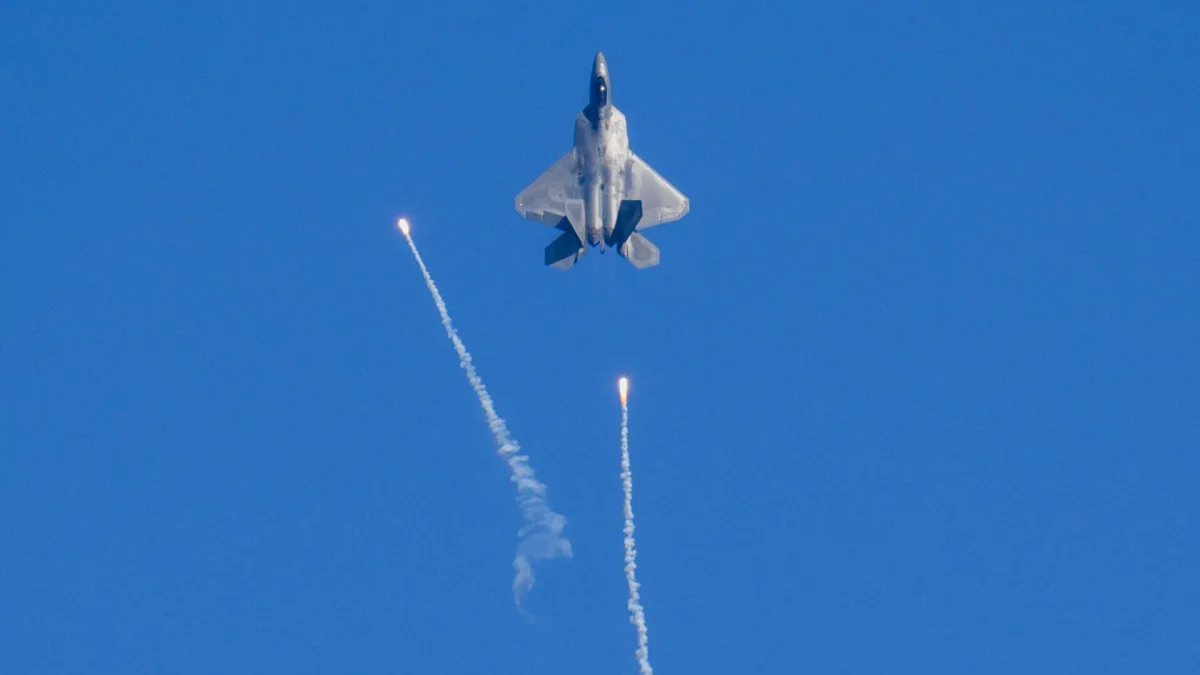
Military aviation is moving closer to a new operational model. In a recent airborne demonstration, the U.S. Air Force showed that an F-22 Raptor pilot could issue tactical instructions to an Anduril YFQ-44A Fury drone, which would then execute those commands as a series of autonomous flight maneuvers and combat actions. According to The Defense Watch, the test validated the ability to translate pilot directives into independent drone operations during simulated combat scenarios.
The demonstration supports the Air Force's Collaborative Combat Aircraft (CCA) initiative, which aims to embed unmanned systems within operational fighter squadrons. The critical requirement is that these drones must both accept high-level tactical direction from pilots and execute missions independently. This design reflects the reality that fighter pilots operate under severe cognitive constraints—they must fly their aircraft, process sensor information, evaluate threats, and make weapons decisions simultaneously—making direct drone control impractical. By allowing pilots to assign discrete tactical objectives to autonomous wingmen, the system lets the F-22 pilot concentrate on primary objectives, such as air-to-air engagement, while the Fury handles secondary tasks like suppressing enemy air defenses.