A $4,000 Robot Dog Reveals How China Is Reshaping the Legged Robot Market
A journalist's experience walking a Unitree quadruped through Washington, DC, illustrates how aggressive cost-cutting has transformed robotics from an expensive research pursuit into an accessible consumer product.
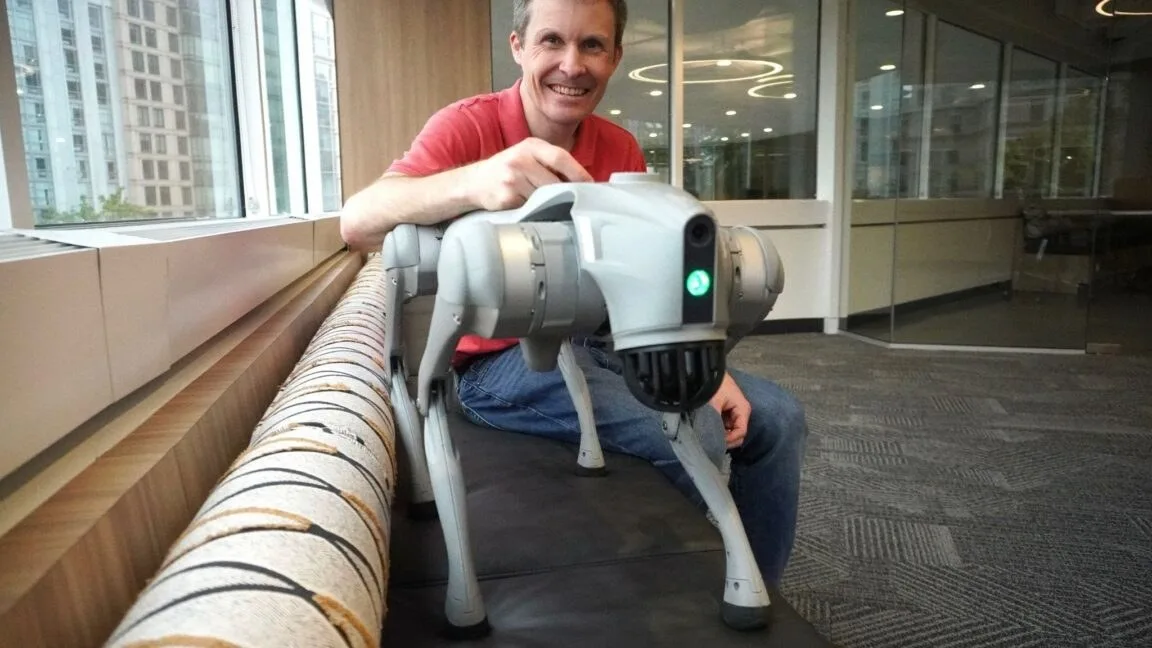
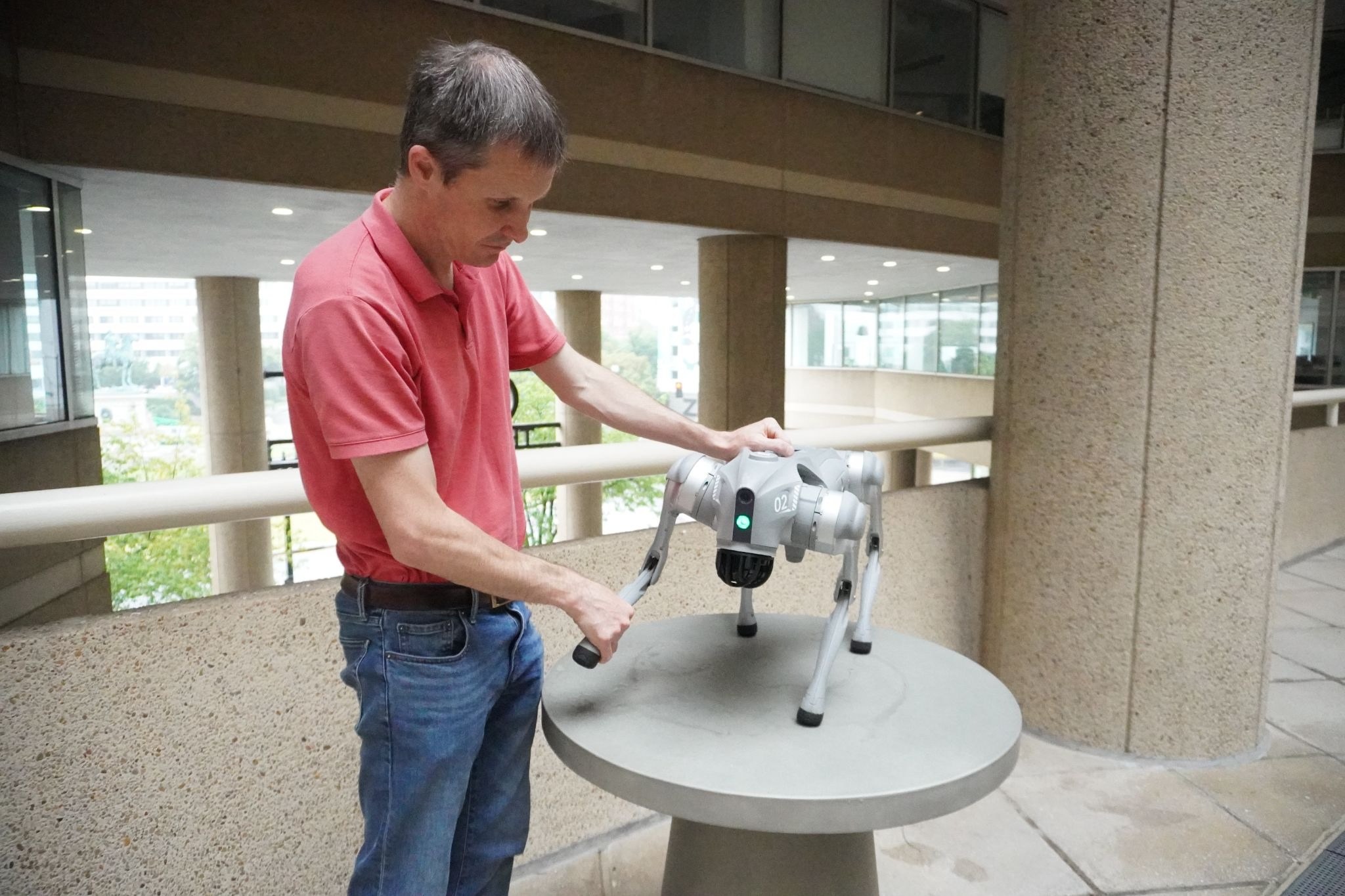
During a June morning commute through the nation's capital, a mechanical quadruped turned heads at nearly every intersection. Passersby snapped photographs, asked questions about its origins and purpose, and watched as biological dogs kept their distance from the machine. Children stopped to observe it perform tricks—handstands, leaps, and paw shakes. The device, manufactured by Chinese robotics firm Unitree, had accompanied its owner on a two-mile journey from Mount Pleasant to an office near the White House.
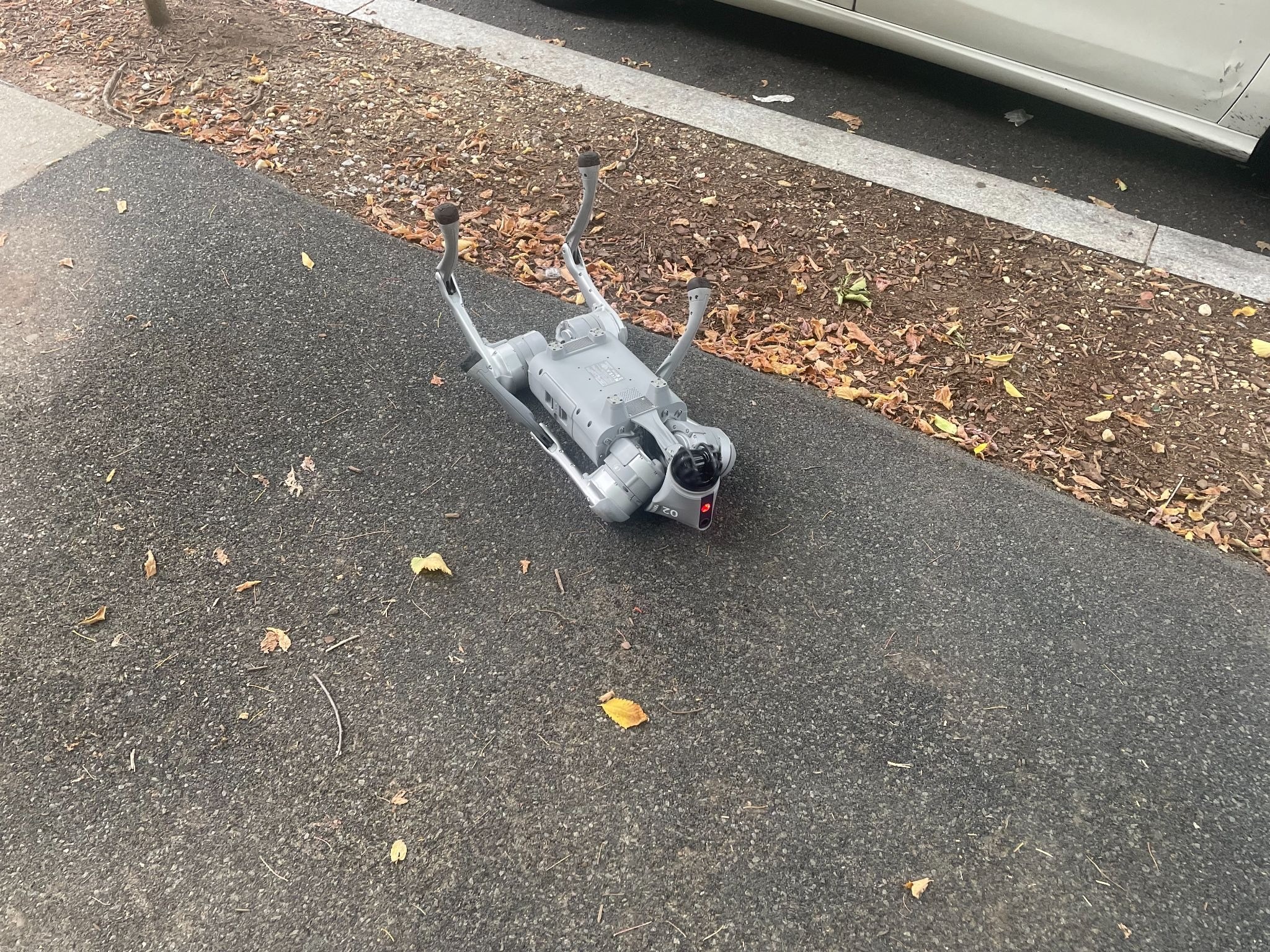
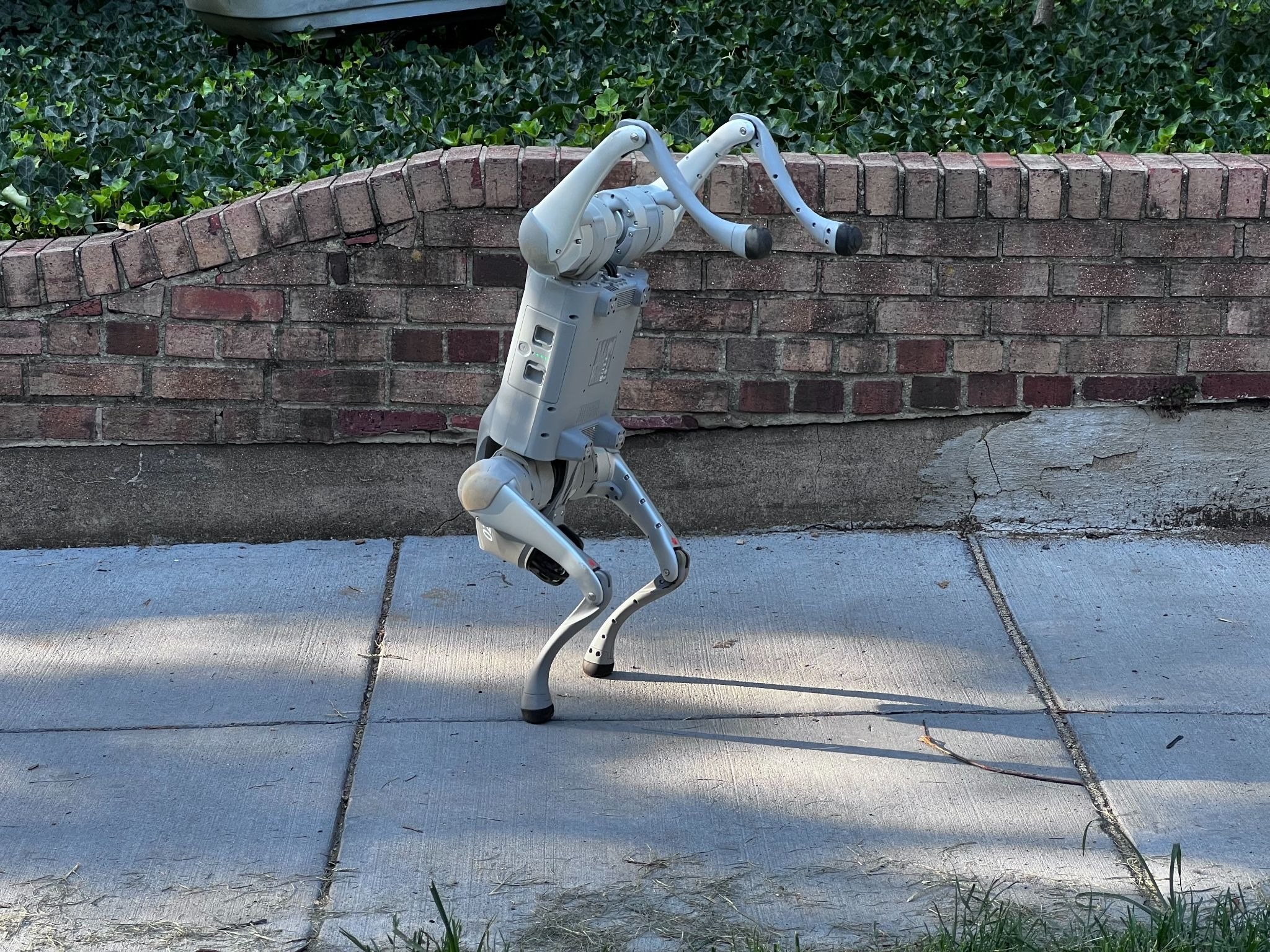
The return trip proved more challenging. Climbing uphill in 87-degree heat, the robot's movements grew labored. Battery indicators on the owner's phone screen showed 5 percent charge remaining, while internal temperature readings climbed to 84°C. Before reaching the front door, the machine suddenly collapsed, rolling onto its back with legs extended skyward—either depleted of power or overcome by heat.
The owner had invested $4,017 in this Go2 Pro model, a sum that represents far less than comparable machines cost just years earlier. While the practical applications remain limited—wheeled robots outperform it for deliveries, drones excel at surveying tasks, and the absence of arms makes household work impossible—the price point opens possibilities previously confined to wealthy institutions and research centers.
Affordability, rather than innovation itself, often drives technological transformation. Xerox pioneered the graphical user interface, yet Apple, IBM, and Microsoft brought it to mainstream adoption. Unitree appears positioned to play an analogous role for legged robotics, though regulatory headwinds in the United States now threaten that trajectory. The company debuted on the Shanghai stock market on August 19, with shares surging more than fivefold on the first trading day. Despite subsequent declines, Unitree's valuation reached $34 billion—more than triple its pre-IPO assessment.
Democratizing Quadruped Research
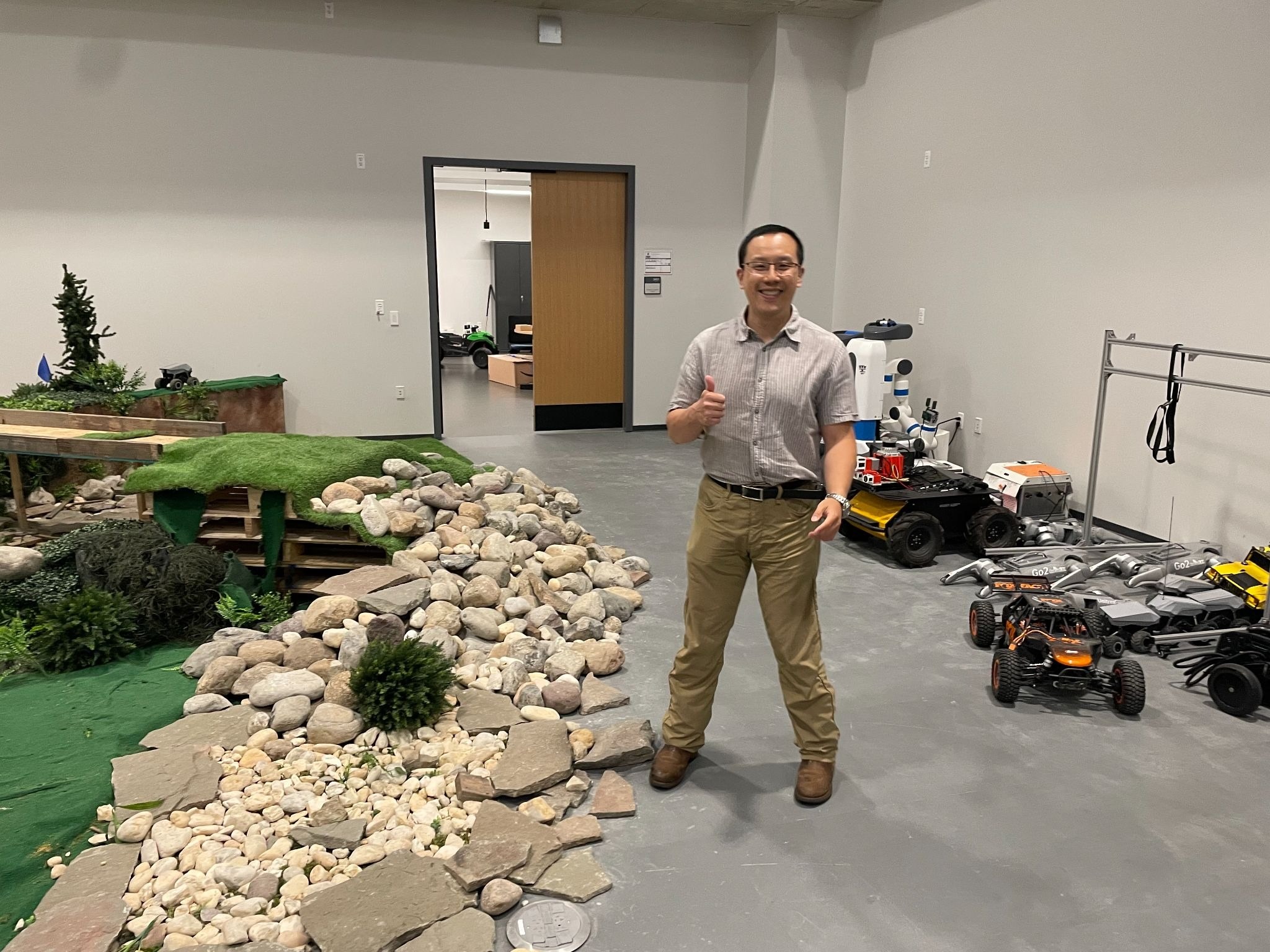
A decade ago, only specialized research groups possessed the capability to construct quadruped robots. That landscape shifted dramatically following Unitree's market entry. Professor Xuesu Xiao of George Mason University observed this transformation firsthand: "Ten years ago, only a very small set of research groups were working on quadruped locomotion because they were the only people on the planet who could build a quadruped. Then Unitree came onto the market. And it basically democratized the entire world of quadruped locomotion research."
Xiao's laboratory houses four Unitree quadrupeds, each costing approximately $15,000. The same facility also maintains Spot, a Boston Dynamics product widely regarded as the industry standard before Unitree's emergence. Spot commands a starting price around $75,000.
Unitree founder Wang Xingxing created a basic quadruped prototype called XDog for his master's thesis at Shanghai University. In a 2016 interview with IEEE Spectrum, Wang acknowledged his influences: "Marc Raibert from Boston Dynamics is my idol. Their papers helped me to design XDog." Early Boston Dynamics prototypes—BigDog and WildCat among them—relied on gasoline engines and hydraulic systems, rendering them too large, loud, and environmentally problematic for practical deployment.
Wang articulated his vision in that same 2016 conversation: "make quadruped robots simpler and smaller, so that they can help ordinary people with things like carrying objects or as companions." Boston Dynamics unveiled its electric Spot model in June 2016, but commercial availability did not arrive until 2020. This gap created opportunity for Unitree, established in May 2016.
Unitree's initial offerings—Laikago in 2017 and AlienGo in 2019—featured electric motors and carried price tags in the tens of thousands. The 2021 Go1 line marked a turning point, with the Air variant starting at $2,700. The 2023 Go2 pushed further downward: $1,600 for Air, $2,800 for Pro.
Today's Go2 Air undercuts Spot by more than 97 percent in price, though direct comparison proves imperfect—Spot offers greater size and payload capacity. Nevertheless, Unitree achieved what seemed impossible: making quadruped robotics accessible to individuals like the owner, whose spouse would never have approved a $75,000 or even $15,000 expenditure but accepted a $4,017 investment.
Engineering Affordability
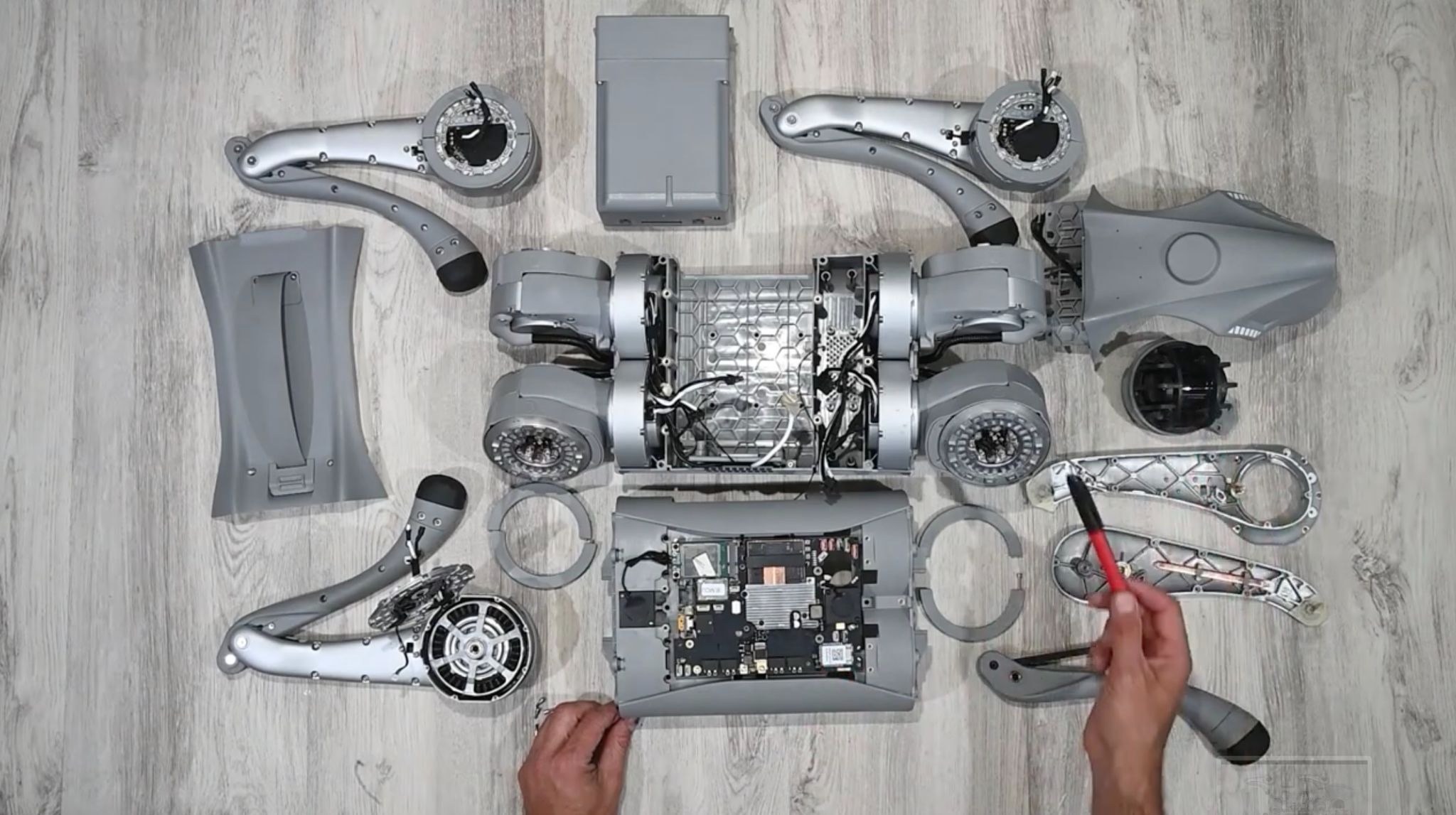
Simplexity, a robotics firm, disassembled a Go2 unit and documented its construction. Each leg operates through three motors: one controlling shoulder angle and two driving leg segments. "With three motors, you get a really dynamic range of motion," explained mechanical engineer Luis Elenes. "They use all the same motors throughout. All four shoulders are identical in arrangement. There's tons of benefit to that. There's reduced cost, there's reduced part count. The more you can reuse motors and reuse parts, the simpler your design gets, and the more robust overall your design will be."
Jakub Bartoszek, a motor and legged robotics specialist at startup MAB Robotics, contends that Unitree economized by selecting lower-quality components. Motors produced in-house tend to wear faster than competitors' offerings, yet this tradeoff enables broader accessibility.
Unitree engineered its robots for straightforward field repairs. "They want these legs to be serviceable in the field," Elenes noted. "Thanks to the simple way the robot's legs are attached to its body, you can swap out a leg pretty easily. I would guess it would take you less than a minute."
Chinese government backing—through tax incentives and institutional procurement—substantially aided Unitree's expansion. The opaque boundary between public and private enterprise in China makes quantification difficult, yet the supportive policy environment clearly facilitated manufacturing scale-up and cost reduction.
Motor Power and Reducer Efficiency
Unitree employs a counterintuitive cost strategy: deploying large, powerful motors. While powerful motors carry no inherent price advantage, they enable savings on reducers—components that can prove even more expensive.
Reducers function like mechanical levers, converting rapid, weak motor movement into slower, stronger motion. A lever with one side five times longer than the other magnifies force proportionally: ten pounds applied to the long side produces fifty pounds at the short side.

Industrial robots traditionally demand extreme precision, necessitating large reduction ratios. Boston Dynamics' Spot documentation indicates that two leg motors pair with 51-to-1 reducers—requiring fifty-one complete motor rotations to produce one joint rotation. This precision magnifies motor power but introduces drawbacks: complexity drives up costs, and high ratios reduce backdriveability, making limbs feel stiff and less responsive to physical resistance.
Unitree pairs large motors with simple 6.33-to-1 gearboxes, producing nimbler, more dynamic robots while cutting costs. The simpler design proves easier to simulate, facilitating robot training. This approach reflects an industry-wide shift: high ratios suited industrial robots performing repetitive programmed tasks, but modern robots navigating unpredictable environments require sophisticated control software that constantly makes small adjustments. Less precise hardware becomes acceptable when software continuously compensates.
The Humanoid Expansion
The Go2 Pro's most impressive capability—maintaining balance on either front or hind legs indefinitely, even while moving—naturally suggested expansion into humanoid form factors. Unitree introduced its H1 humanoid in 2023, followed by the more affordable and capable G1 in 2024.
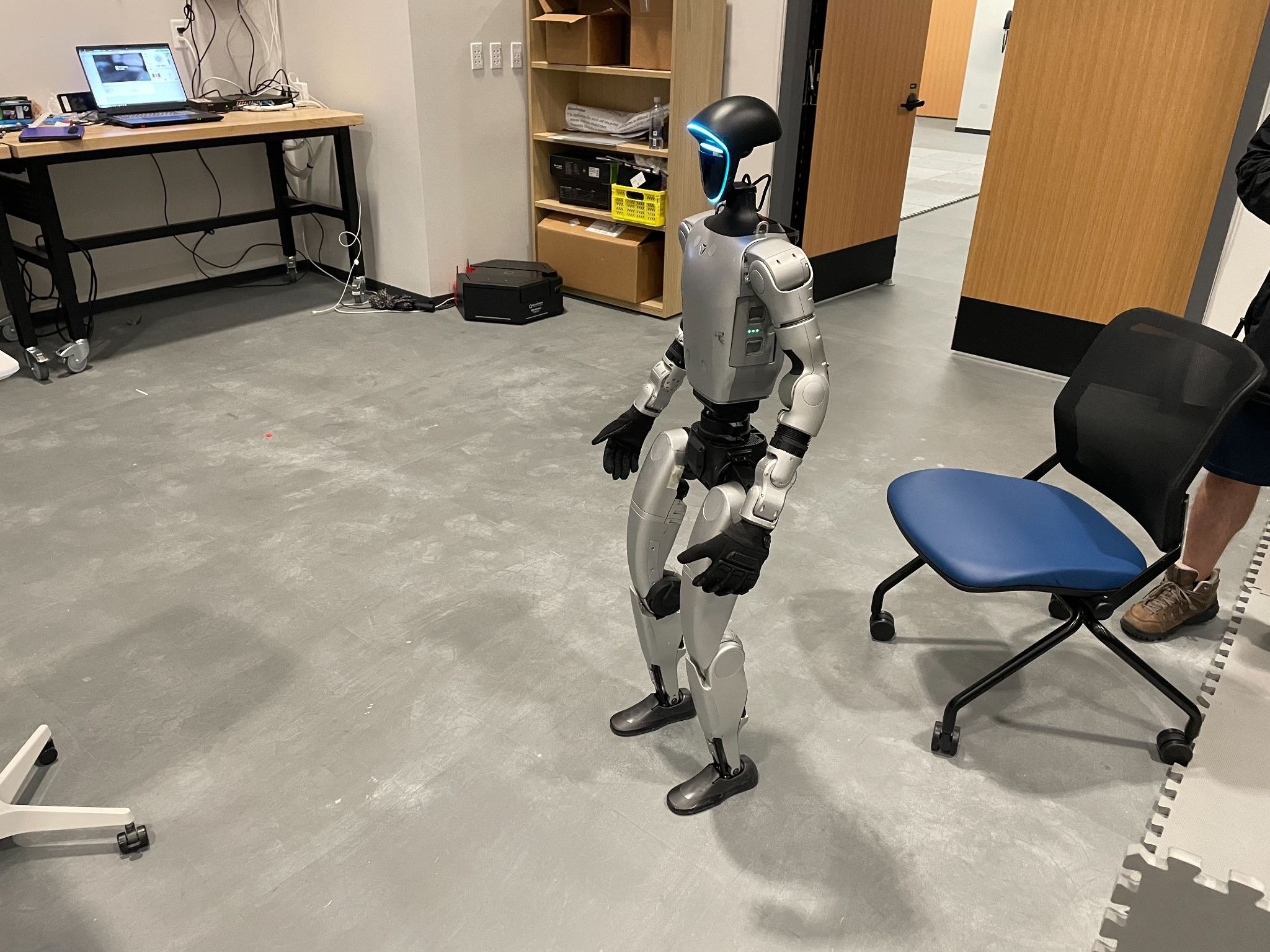
During a June laboratory visit, the owner observed a research-grade G1 EDU model, for which the owner's host had paid approximately $50,000. Consumer versions start at $13,500—remarkably inexpensive given the robot's capabilities.
Humanoid robots demand more complexity than quadrupeds standing upright. The Go2 contains twelve motors total—three per leg. The entry-level G1 features five motors per arm, six per leg, and one in the torso, totaling twenty-three. Leg motors require greater power since balancing on two legs demands more effort than standing on four.
Unitree's quadruped experience likely provided competitive advantage in humanoid development. By the early 2020s, the company had shipped quadrupeds for years, accumulating deep actuator design expertise and an extensive supplier network.
Financial filings connected to Unitree's August stock offering reveal dramatic humanoid growth. Quadruped revenue tripled between 2024 and 2025, from 230 million RMB ($34 million) to 697 million RMB ($104 million). Humanoid revenue surged eightfold, from 107 million RMB ($16 million) to 867 million RMB ($129 million). Humanoids represented 51 percent of 2025 revenue, a proportion expected to climb further in 2026.
Potential for Sustained Dominance
Analysts at SemiAnalysis observed in June: "We are witnessing the birth of another Chinese hardware giant. Three years ago, Unitree was a quadruped company. By last year, they parlayed quadruped dominance into creating and leading the humanoid market." They drew parallels to DJI's trajectory in consumer drones.
DJI's Phantom 1 launched in January 2013 at $679, lacking a built-in camera, gimbal, extended flight time, or live video feed—yet costing roughly half as much as comparable build-it-yourself alternatives. Similarly, Unitree's current robots exhibit rough edges. The control application contains bugs. Advertised features like stair climbing and human following underperform in practice. Improper startup positions cause legs to thrash wildly. The owner's robot collapsed without gracefully shutting down despite low battery and elevated internal temperature.
For emerging technologies, such imperfections may matter less than cost reduction. SemiAnalysis noted that "DJI chose to inhouse the most expensive and technically difficult component first: the flight controller. Later on, DJI brought inhouse the gimbals, motors, and ESCs." By manufacturing components more cheaply than external suppliers, DJI undercut competitors and expanded the addressable market.
Before DJI, "professional aerial photography was the domain of helicopters and Hollywood second-unit teams, but now, small businesses could perform this on their own. As such, whole new markets were unlocked for DJI, like real estate listings, wedding videos, local news, agricultural surveying."
A virtuous cycle emerges: higher sales volumes enable better supplier negotiations and greater manufacturing optimization investment. Larger volumes permit in-house component production, further reducing costs and driving additional sales. Over years, this flywheel helped DJI dominate global drone markets. SemiAnalysis contends Unitree follows an identical trajectory for legged robotics.
According to SemiAnalysis, Unitree has developed proprietary motors, gearboxes, lidar sensors, and cameras. "Unitree's self-produced motors can run as low as 30-40% of equivalent Western motors. They now make some of the cheapest humanoid gearboxes in the world." This capability could enable Unitree to capture the global quadruped and humanoid market as thoroughly as DJI captured drones.
Success remains uncertain. Unitree faces Chinese competitors, including AgiBot, which has recently sold more humanoid robots. Numerous smaller Chinese firms could emerge as challengers. However, Unitree encounters minimal Western competition. Boston Dynamics produces superior robots but at substantially higher prices. American startups—Tesla, Figure, and 1X—are developing humanoids but do not yet offer consumer purchases.
American policymakers have taken notice. In June, a bipartisan House group introduced legislation restricting Chinese robot imports, specifically naming Unitree. July brought FCC regulations targeting foreign-made robots, likely impacting Unitree and other Chinese manufacturers.
The robot market operates globally, however. Even if Chinese companies face US exclusion, Unitree or rivals could dominate the worldwide humanoid market. The parallel to electric vehicles proves instructive: Chinese companies like BYD face effective US bans yet accelerate gains internationally. A Chinese robot ban risks making the United States a robotics backwater rather than hampering companies like Unitree.