Google's Gemini Glasses Hit Preorder With Privacy-First Design
Google, Samsung, Gentle Monster and Warby Parker are launching AI-powered smartglasses starting at $395, emphasizing privacy protections including recording indicators and restrictions on live streaming.

Intelligent eyewear has struggled to gain mainstream adoption, hampered by ergonomic discomfort and persistent privacy concerns dating back to the Google Glass era. Google is now making another attempt at the category with frames powered by Gemini, its AI assistant. Beginning today, the devices are available for preorder through Gentle Monster and Warby Parker, though they represent a significant investment rather than an impulse purchase.
The eyewear represents a joint effort among Google, Samsung, and the two frame manufacturers. Gentle Monster and Warby Parker each contributed multiple frame designs with options for transparent and tinted lenses. Samsung engineered the computing components integrated into the frames, while Google developed the software layer.
Warby Parker has created three frame styles—Alden, Reid, and Wren—available in Pine, Saddle, and Jet Black finishes with standard optical or sun lenses starting at $395. The company is limiting sales to the United States. Gentle Monster offers six distinct styles in dark red, pink, gray, and yellow, with clear, tinted, blue, or brown lens options beginning at $449. Gentle Monster will ship to both the United States and South Korea.
The frames weigh approximately 41 grams, placing them near the upper end of the eyewear weight spectrum. Adding prescription or specialty lenses will increase the total weight and final price. The starting prices reflect non-prescription lens configurations only.
The design parallels the Ray-Ban Meta glasses already on the market. Rather than incorporating display screens, users interact with Gemini through voice commands or by activating an integrated camera. The interaction model mirrors Gemini Live on smartphones but offers greater convenience—users can activate the assistant by saying "Hey Gemini" or tapping a touch-sensitive area on the frame.
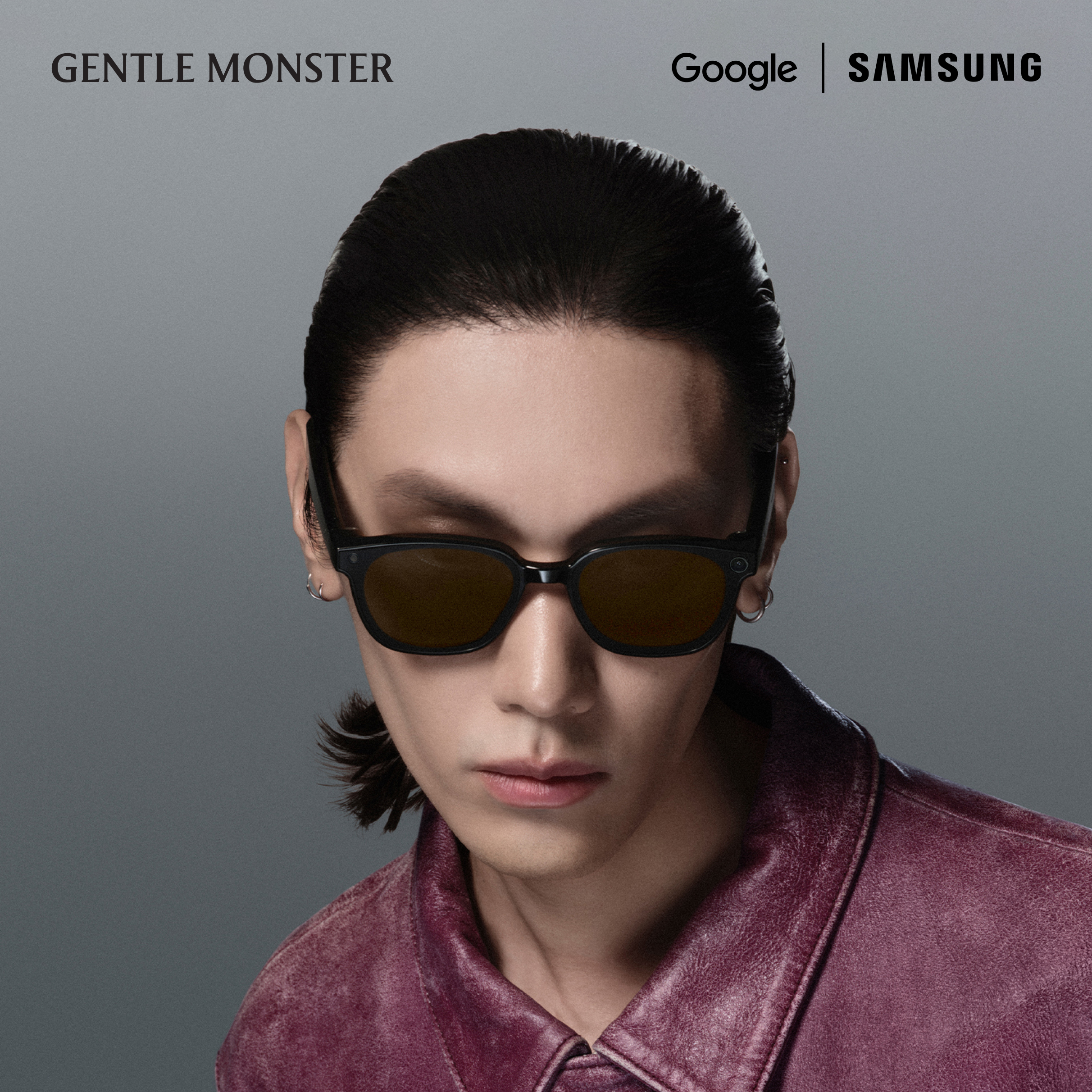
Since Gemini operates across Google's ecosystem, it can access user data and preferences. Users can pose questions for personalized responses, request voice-guided navigation through Google Maps, or simply converse with the AI. The glasses employ custom open-ear speakers to minimize disruption to nearby people, and directional microphones are engineered to avoid capturing speech from others.
The camera feed introduces significant capability expansion. With visual input, Gemini can perform more sophisticated tasks on behalf of the user. Google suggests scenarios such as asking for recommendations while viewing a bookshelf or having the AI add an event to the calendar after viewing a poster. The glasses will also support Gemini Guided Vision, delivering conversational audio descriptions for visually impaired users.
The practical value of these devices depends entirely on Gemini's reliability. Like all AI systems, Gemini is prone to errors. During testing, the chatbot frequently fails at straightforward tasks such as calendar entries or image identification. Without a screen to verify outputs, users may find it difficult to trust the AI's responses. These glasses will only justify their cost if Gemini consistently performs accurately—a condition that remains uncertain.
Google's privacy promises
Both the Gentle Monster and Warby Parker Gemini glasses include a 12 MP wide-angle camera for photos and video. Google has implemented multiple safeguards and constraints to prevent misuse of the intelligent eyewear and to protect user privacy, framing its approach as respecting privacy "both sides of the lens."
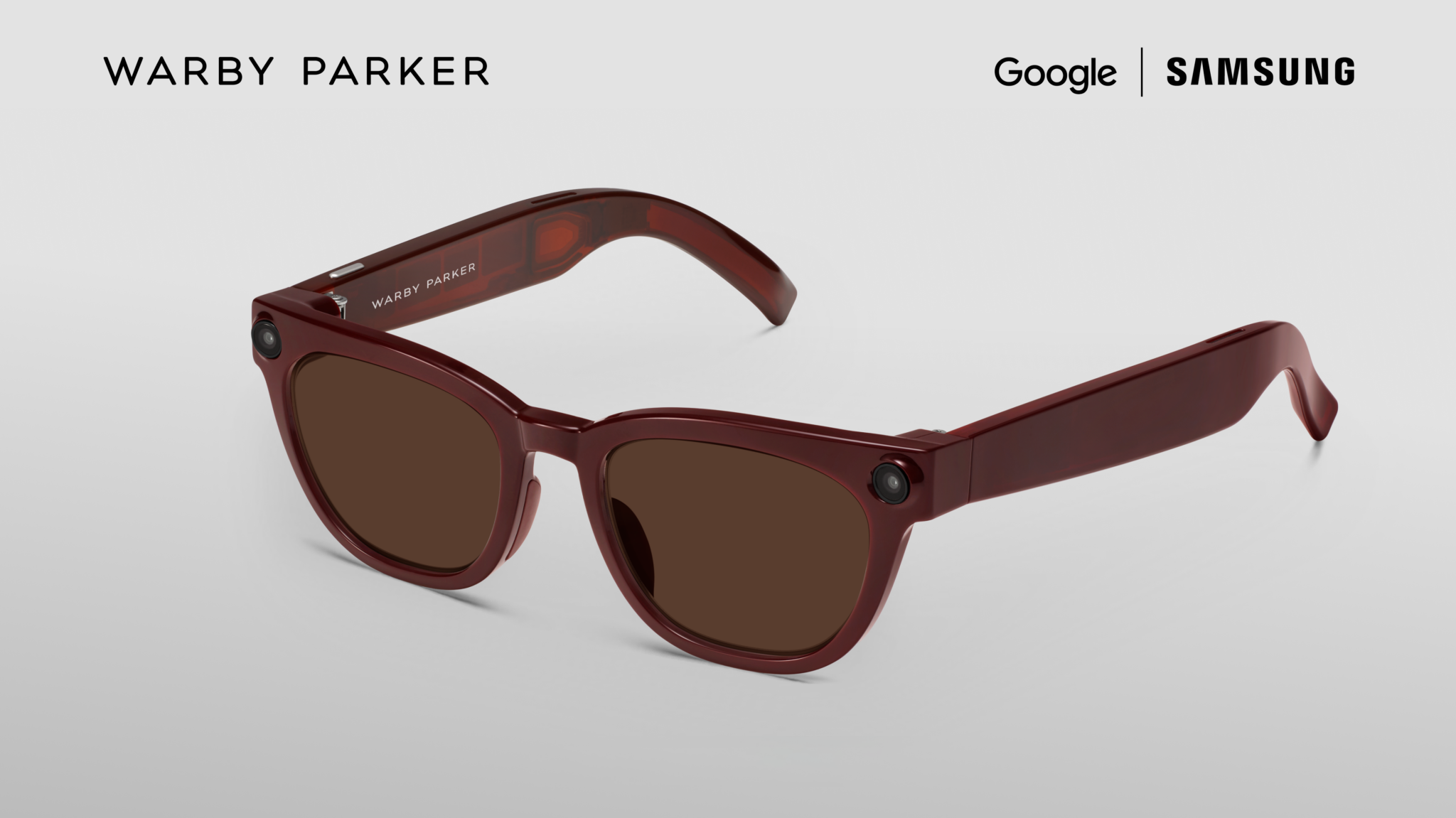
A recording indicator illuminates whenever the camera is in use. Similar to Meta's approach, Google's glasses will detect any obstruction or modification of the light that would block its illumination and will refuse to activate the camera if tampering is detected. All Google-powered glasses include a physical power switch for the camera.
The terms of service require users to consent not to record individuals without permission or in private settings. Should Google discover violations, it reserves the right to remotely deactivate the device. Google has implemented stricter video restrictions than Meta. The company prohibits any Play Store applications from streaming video live to social platforms directly from the glasses, including YouTube Live. Users can save recorded content to their gallery and distribute it manually, but real-time streaming is not permitted. Real-time facial recognition capabilities have also been disabled.
Regarding user data protection, Google commits not to retain images or videos captured by the glasses in Gemini history. The company will not use this content for AI model training or ad targeting. Voice interactions with Gemini through the glasses receive the same privacy protections as other Gemini platforms, though users can remove conversations from their Gemini history. Data stored on the glasses is encrypted and remains encrypted during transmission to Google's servers, though it is not encrypted while stored server-side. Google indicates it is developing Private AI Compute for glasses, which would process data in isolation, preventing even Google from accessing it.
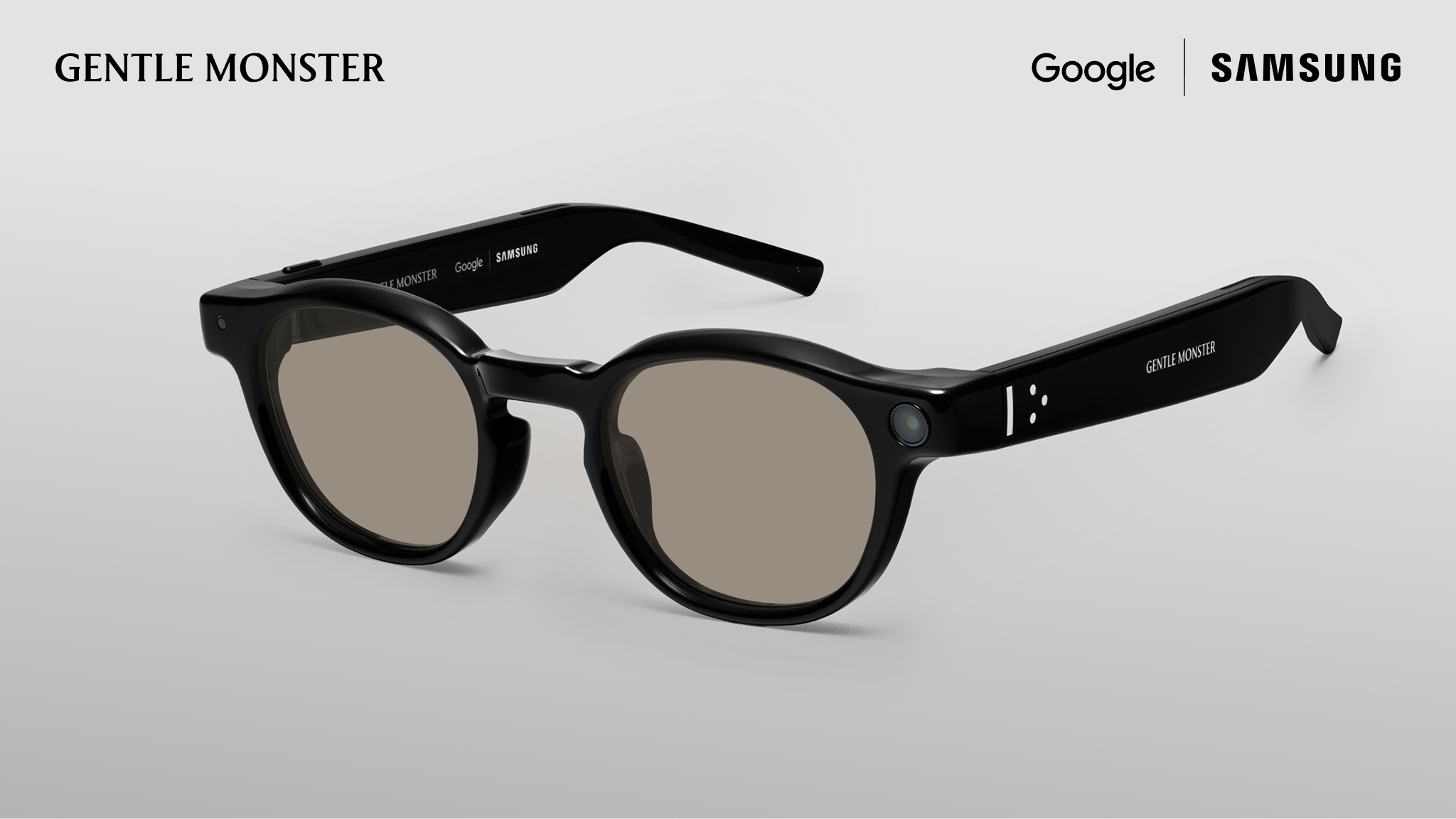
Preorders are available through Gentle Monster and Warby Parker websites. Shipments and retail availability begin December 10. Device compatibility is currently limited. The glasses support all iPhone models from the 13 Pro generation forward. For Android, users need a Pixel 7 or newer, a Samsung Galaxy S or Z series device running One UI 9 or later. Owners of budget Samsung Galaxy devices or phones from other manufacturers cannot use the glasses at this time.