Researcher fighting deportation threat continues safety work on X despite legal pressure
A British hate speech researcher facing potential removal from the US is pressing his legal challenge to a Trump administration policy that targets noncitizens who flag harmful content on major platforms.
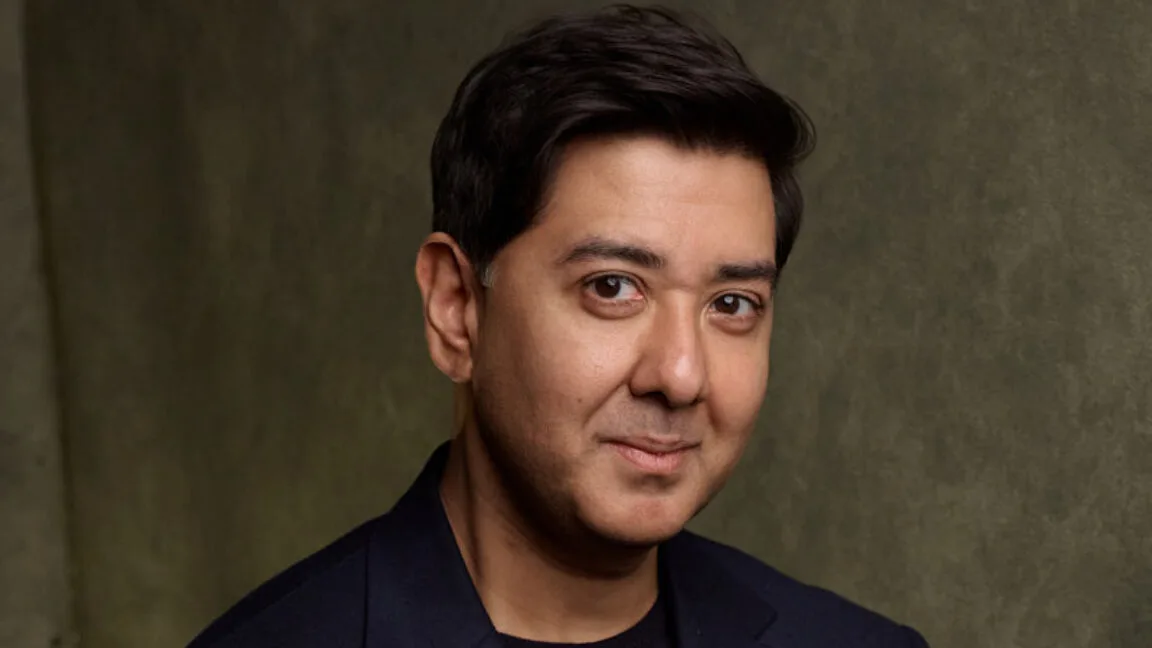
The Trump administration is pursuing a policy to deport noncitizen technology researchers who document safety problems on major social networks, and the legal battle over its constitutionality is intensifying. A federal judge in July struck down the policy as unconstitutional, finding no evidence that any of the targeted researchers had ties to foreign governments attempting to manipulate American discourse. The government appealed that decision last week, two days after another court determined it lacked authority to permanently block the policy in a separate case.
The case centers on Imran Ahmed, founder of the United Kingdom-based Center for Countering Digital Hate (CCDH), who holds a green card and lives in the US with his American wife and daughters. Secretary of State Marco Rubio designated Ahmed a national security threat, citing his group's advocacy work and support for European Union fines against X. US District Judge Loretta Preska noted the irony of the government claiming it needed to deport Ahmed to protect American "freedom of expression," but ruled that federal courts lack jurisdiction to block removal proceedings initiated under the policy.
Preska's order allows the government to begin removal proceedings after just five days, though she granted Ahmed's request for a temporary restraining order blocking any detention or deportation while his appeal proceeds. Ahmed's legal team argues that federal courts should retain the power to review whether immigration policies violate constitutional rights, particularly when they appear designed to punish protected speech. Ahmed told Ars that he remains optimistic the Court of Appeals for the Second Circuit will recognize that "the prospect that [a] policy may later contribute to some noncitizen's removal does not transform a challenge to the policy into the review of an order of removal," as Judge James Boasberg wrote in the broader case challenging the policy.
Ongoing research despite legal threats
Ahmed's research with CCDH has continued even as his legal situation deteriorated. Last week, while the government began more aggressively defending the policy, CCDH contributed research to a New York Times investigation that found serious gaps in X's detection of child sexual abuse material. The group provided access to more than four million links to Grok-generated images to researchers at the Canadian Center for Children Protection. The investigation identified 65 AI-generated CSAM images and 75 known CSAM images on the platform, some viewed hundreds of times. X responded with a statement saying the company "has zero tolerance for CSAM."
Ahmed said government officials specifically cited CCDH's support for the European Union's record $1 billion fine against X as justification for his national security designation. However, he contends that no evidence supports claims he poses "serious adverse foreign policy consequences." Instead, officials rely on what he called "shifting, contradictory, and unsupported rationales" that amount to retaliation for scrutinizing Elon Musk's platform.
When asked what risk Ahmed's research might pose to American technology companies or online discourse, a State Department spokesperson declined to comment on ongoing litigation but reiterated the department's authority to recommend removal for any noncitizen whose US activities could have "serious adverse foreign policy consequences."
Constitutional questions on appeal
Ahmed's appeal argues that the immigration policy violates the First Amendment and the due process clause of the Fifth Amendment. Preska acknowledged these claims may have merit but found that granting permanent relief would strip federal courts of jurisdiction over removal proceedings. Ahmed's legal team has reframed their request, arguing they seek to challenge the government's use of arrest and detention to punish protected speech—a claim they contend can be resolved separately from removal proceedings.
The appeals court may be receptive to this argument. Six judges on the Second Circuit recently voted to grant rehearing en banc on a related case, suggesting they believe federal courts do have jurisdiction to provide relief in these circumstances. Ahmed's appeal notes that this unusual procedural move "strongly suggests that the Court will soon hold that federal courts possess jurisdiction."
Ahmed emphasized to the appeals court that he does not seek an injunction preventing the government from initiating removal proceedings. Rather, he wants to resolve his challenge to "the government's use of arrest and detention to punish protected speech," which he argues "can be resolved without reviewing a removal order or preventing an immigration court from adjudicating his removability." He warned that allowing detention at the discretion of government officials would harm the entire content-moderation research sector.
Commitment to continued research
Ahmed stated he will remain in the United States with his family and continue his advocacy work while his appeal proceeds, even under the threat of arrest. He founded CCDH seven years ago after losing a colleague to a gunman radicalized online, with the mission of making platforms safer. He described the group's work as roughly 90 percent testing whether platforms' promised safeguards actually function.
Despite pressure from Trump administration officials, CCDH is preparing a report this fall on safety practices at AI platforms, including those from OpenAI, that Ahmed confirmed will document safeguards not working as intended. He expressed willingness to risk temporary detention to protect researchers' speech rights and said he views the government's actions as an attempt to silence criticism of Musk.
If the aim of the State Department or the tech overlords who've been celebrating this and no doubt urging them on from the beginning was to silence us, they failed. We will not back down. We will not be silenced.
Imran Ahmed
Ahmed said he remains dedicated to protecting Americans online and hopes eventually to become an American citizen. If necessary, he indicated he would appeal to the Supreme Court. He also questioned why the Department of Justice has not launched its own investigations into X based on his group's and others' reporting of CSAM proliferation on the platform.
I do think that DOJ should be focusing on a platform that is now proliferating and creating child sex abuse material rather than trying to punish the person who's identifying the problem.
Imran Ahmed