OpenAI and Anthropic Turn to Interim Data Centers While Megawatt Projects Stall
Both AI leaders are racing to lease smaller facilities with 20-30 MW capacity to handle near-term demand, even as they pour billions into sprawling infrastructure projects that remain years away from operation.
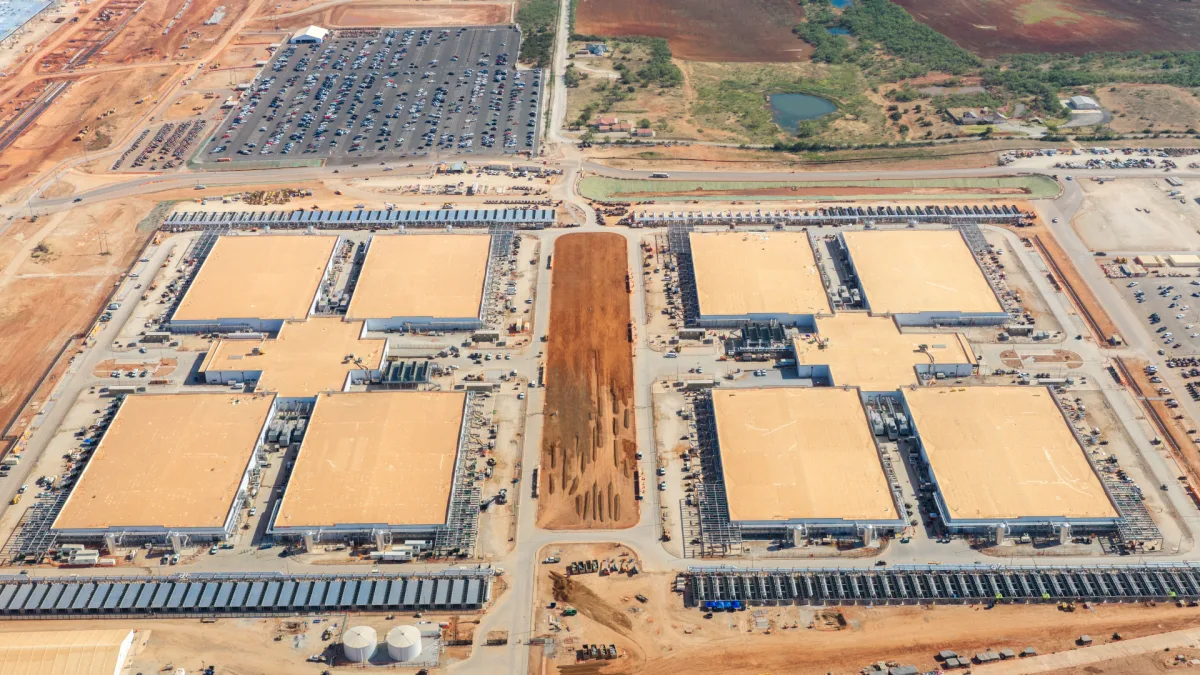
OpenAI and Anthropic are pursuing a two-track infrastructure strategy: securing leases at smaller data centers to address immediate computing needs while their multibillion-dollar gigawatt-scale facilities remain under construction. According to reporting from September 18, the two companies are negotiating for access to existing sites offering roughly 20-30 MW of capacity, a move that underscores the tension between their long-term infrastructure ambitions and pressing near-term demand.
Anthropic has reportedly approached potential partners across the United Kingdom and Nordic region about facilities of this size, according to sources cited by CNBC. OpenAI has similarly explored smaller deployments in Nordic countries, with both firms also evaluating comparable opportunities within the United States.
We're building a diversified compute portfolio to meet growing demand for AI around the world
OpenAI spokesperson to CNBC
The company elaborated that various workloads demand different infrastructure configurations, and that it assesses potential sites based on performance, reliability, timing, and cost. Anthropic declined to provide comment on its strategy.
These interim arrangements would operate alongside the massive infrastructure commitments both companies have already made. Anthropic signed an approximately $45 billion deal with Nscale for roughly 460 MW of capacity at a West Virginia site. OpenAI announced that its Stargate infrastructure commitments have already exceeded the original 10 GW target, with additional planned deployments of 3 GW in Georgia and 8 GW in Ohio.
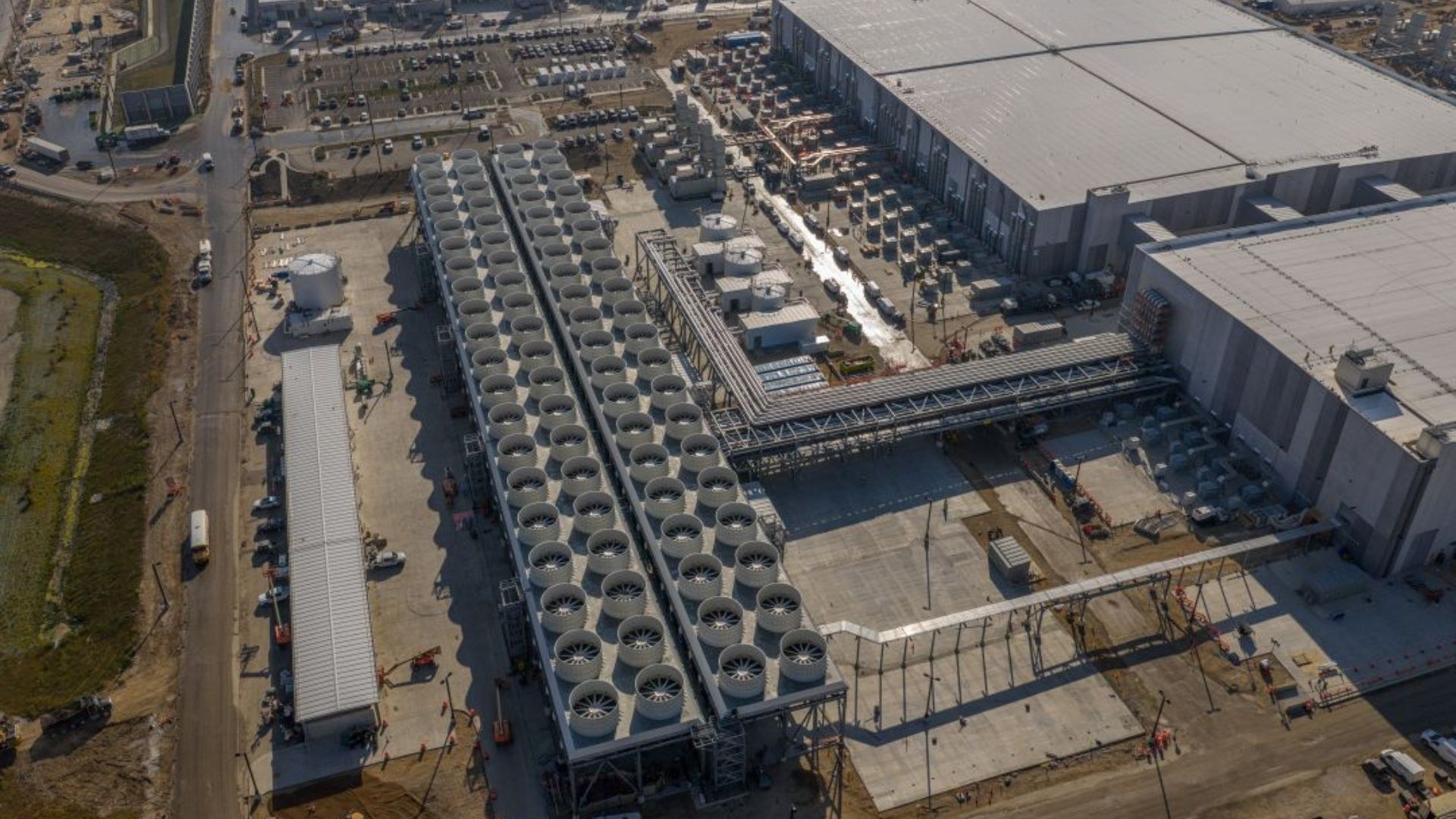
The challenge with these megaproject developments is their extended timelines. Building out such massive facilities requires securing land, establishing grid connections, constructing substations, installing cooling systems, and provisioning enormous amounts of electrical power—all prerequisites before any accelerators can become operational. These projects demand thousands of GPUs working in concert through high-bandwidth interconnects to train increasingly sophisticated AI models.
The immediate bottleneck, however, stems from inference workloads rather than training. Unlike model training, which requires massive GPU clusters in a single location, inference operations can be distributed across multiple smaller computing sites. This characteristic makes leasing capacity at smaller facilities a practical solution for handling current user demand.
Smaller deployments also sidestep regulatory and community obstacles that have slowed large-scale buildouts. During the second quarter of 2026 alone, local opposition derailed 45 data center projects valued at $68 billion in the United States, citing concerns about land use, noise, electricity consumption, and water usage. Existing facilities with available capacity face far less community resistance.
Securing a few megawatts at an existing powered site can be more practical than waiting for a much larger block in one location. For workloads that can operate across separate sites, a collection of smaller deployments can add up to substantial capacity.
Jabez Tan, head of research at Structure Research, to CNBC
Leasing arrangements have become standard practice across the AI industry. Companies operating AI systems regularly rent capacity from hyperscalers, specialized data center operators, and the emerging class of GPU-focused cloud providers. This distributed approach enables firms to balance workloads across multiple vendors and geographic locations.