Finance teams prioritize governance over spending as AI spreads through accounting systems
As artificial intelligence moves into corporate finance through existing software and ERP platforms, finance leaders say the real constraint is not money but the ability to verify and trust what AI systems produce.
Artificial intelligence is entering corporate finance departments through the back door—embedded in the accounting software, reporting tools and enterprise resource planning systems that finance teams already operate. This path of adoption means that governance structures, rather than capital expenditure, have become the primary limiting factor in how quickly teams can deploy AI capabilities.
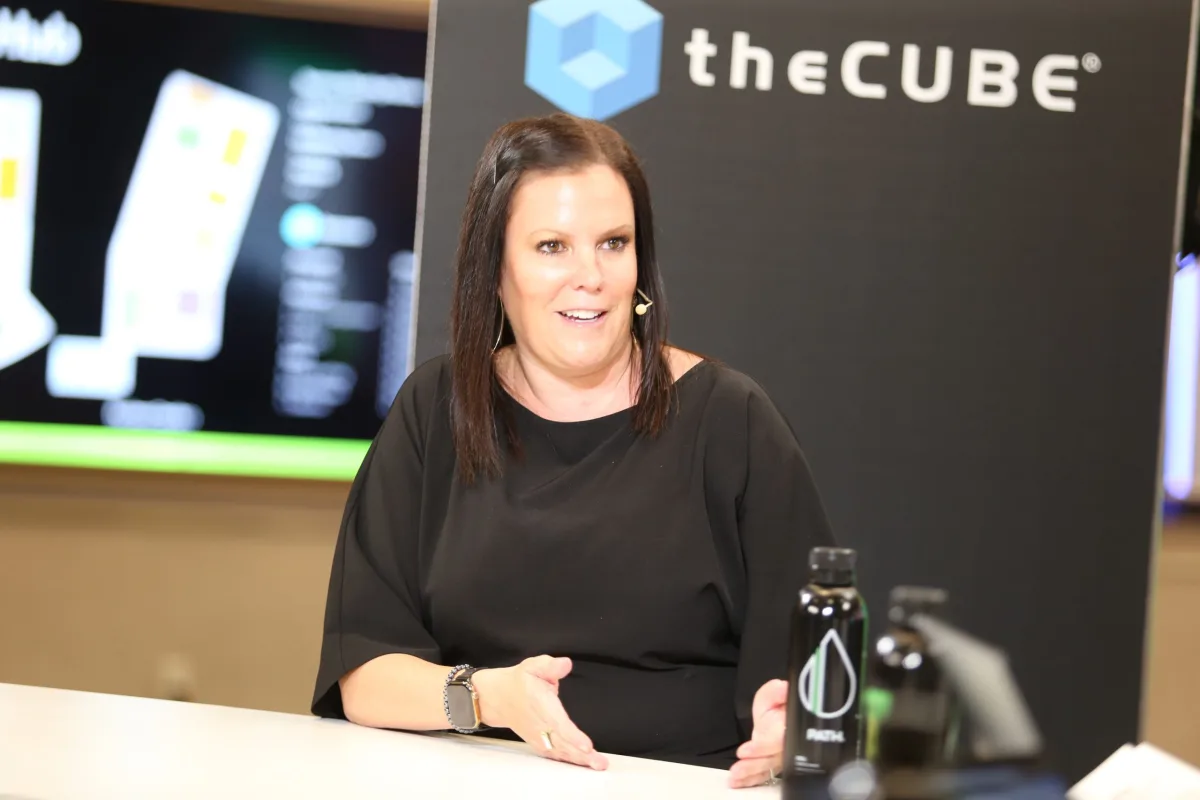
The stakes grow higher in regulated industries, where every financial figure eventually appears in regulatory filings reviewed by shareholders and government agencies. This reality forces finance leaders to balance enthusiasm for new AI tools with rigorous processes for validating their output. Christie Kozlik, chief accounting officer at Accel Entertainment Inc., a gaming operator with 29,000 slot machines across 4,700 locations in 10 states, emphasized this tension during remarks at Amplify, an industry conference.
It's one thing to turn on Claude. It's another thing to use it smart. It's another thing to actually get the output from it that you really want.
Christie Kozlik, chief accounting officer at Accel Entertainment Inc.
Trust and governance steer AI toward ERP systems
The primary obstacle facing finance teams is not the cost of AI tools but rather the challenge of trusting their outputs. A language model can deliver an answer in milliseconds with absolute confidence, regardless of whether the answer is correct—a phenomenon that research firm Workiva Inc. documented in its midyear executive benchmark survey. This creates a fundamental problem: AI systems provide no body language, no hesitation, no human signals that might indicate uncertainty.
Reading the body language – hearing how you're saying something – can go a long way in knowing if that output is correct or not correct. When you're talking about AI, you don't get that. You get the absolute confidence.
Christie Kozlik
To address this gap, Kozlik and her team have adopted deliberately traditional practices. Each process receives a defined input, a specified expected output and a documented review procedure. Internal and external auditors participate from the beginning rather than being brought in after decisions have been made.
What is the input that I am feeding into this AI? What is the output that I'm expecting? What is the root cause that I'm trying to solve for? Knowing those inputs, outputs and expectations becomes so important.
Christie Kozlik
Return on investment receives the same structured scrutiny, with success measured against concrete targets such as reducing the financial close process from seven days to five days. Kozlik's immediate priorities focus on two heavily audited areas: Securities and Exchange Commission reporting and the company's ERP systems expansion, where data lineage and sources are well understood.
https://www.youtube.com/embed/r2sRp1-4C5k?feature=oembed
When I keep saying data governance, it's probably more risk rating that data. If you look at anybody's [10-K] or [10-Q], rate each footnote. Could this one be AI bot-ready? Yes, no, one, two, three – and then talk through each one of them. Put a game plan together for each one of them.
Christie Kozlik